
Your Body May Be Signaling Can:cer with These 5 Hidden Warning Signs
These 5 Common Symptoms Could Be Your Body Asking for Help
Health 05/07/2026 20:56


A snake bite can be one of the most frightening emergencies a person experiences. Whether you're hiking, gardening, camping, or simply walking through tall grass, an unexpected encounter with a snake can happen almost anywhere. The moments immediately after a bite are critical, and knowing the correct first aid steps can make a significant difference.
One of the biggest misconceptions is that you can determine whether a snake is venomous simply by looking at its head shape or the pattern of the bite marks. While illustrations like the one above are common online, they are not reliable enough to identify whether a bite is venomous. Many harmless snakes can flatten their heads when threatened, and venomous snakes don't always leave two obvious fang marks. Bite appearance alone should never determine how you respond.
The safest approach is to treat every snake bite as potentially venomous until evaluated by medical professionals.
Not every snake is venomous, and not every venomous snake injects venom with every bite. Some bites are "dry bites," meaning little or no venom is released. However, there is no safe way to determine this immediately after the bite.
Venom can affect the body in different ways depending on the species, including:
Because symptoms may develop gradually, a person who initially feels fine still requires prompt medical evaluation.
This is easier said than done, but panic can increase your heart rate and potentially speed the movement of venom through the body.
Take slow, controlled breaths and focus on getting help as quickly and safely as possible.
Do not attempt to:
Many people are bitten a second time while trying to identify or capture the snake.
If it can be observed safely from a distance, try to remember:
Only do this if it does not delay getting medical care.
Even if the bite seems minor, seek emergency medical care.
Prompt evaluation allows healthcare professionals to:
The sooner appropriate treatment begins, the better the chances of avoiding serious complications.
Movement can increase circulation.
If possible:
If help is available, have someone transport the injured person rather than walking.
If the bite is on an arm or leg:
Try to keep the limb at or slightly below the level of the heart unless instructed otherwise by emergency personnel.
Before swelling develops, remove:
Swelling can occur rapidly and make these items difficult to remove later.
Many traditional remedies are now known to be ineffective—or even dangerous.
Do NOT:
Cutting the bite site does not remove venom and increases the risk of infection and tissue damage.
Whether by mouth or with commercial suction devices, this method has not been shown to remove meaningful amounts of venom.
Ice may worsen tissue injury and is not recommended.
Tourniquets can cut off blood flow, increasing the risk of severe tissue damage and possible limb loss.
These substances may affect circulation or hydration and should be avoided.
Herbal treatments, electric shocks, chemicals, and other folk remedies should never replace proper medical care.
Symptoms vary depending on the species and the amount of venom injected.
Possible signs include:
Some symptoms appear within minutes, while others may take several hours.
Many social media posts suggest:
In reality, this is not a dependable rule.
Bite patterns vary widely depending on:
Medical professionals do not rely solely on bite marks to determine whether venom was injected.
Most snakes prefer to avoid people.
To reduce your risk:
Giving snakes plenty of space is often the safest strategy for both people and wildlife.
Seek emergency care immediately if:
Even bites from snakes believed to be nonvenomous may require cleaning, tetanus protection, and evaluation for infection.
A snake bite is a medical emergency that deserves prompt attention. While many bites are not life-threatening, it is impossible to determine the severity based solely on the snake's appearance or the pattern of the bite marks.
The best response is to stay calm, move away from the snake, keep the affected limb still, remove tight jewelry, and seek emergency medical care immediately. Avoid outdated first-aid techniques such as cutting the wound, sucking out venom, applying ice, or using a tourniquet.
Knowing these evidence-based first-aid steps can help protect you or someone else until professional medical treatment is available.
These 5 Common Symptoms Could Be Your Body Asking for Help

One Common Beverage May Contain More Sugar Than You Think
Many People Sleep Like This Every Night Without Knowing the Risks
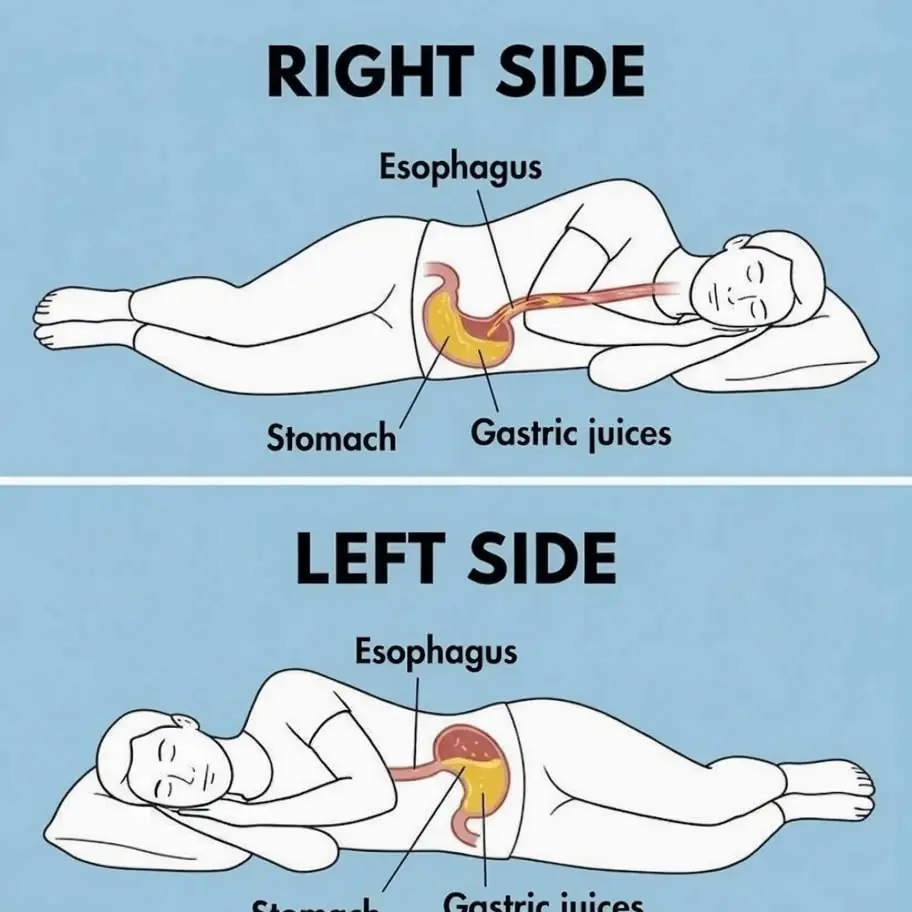
Sleeping on Your Right Side Every Night May Affect Your Body in Unexpected Ways

Doctors warn: Eating sweet potatoes may lead to… See more
If Your Legs Cramp at Night You Need to Know This Immediately
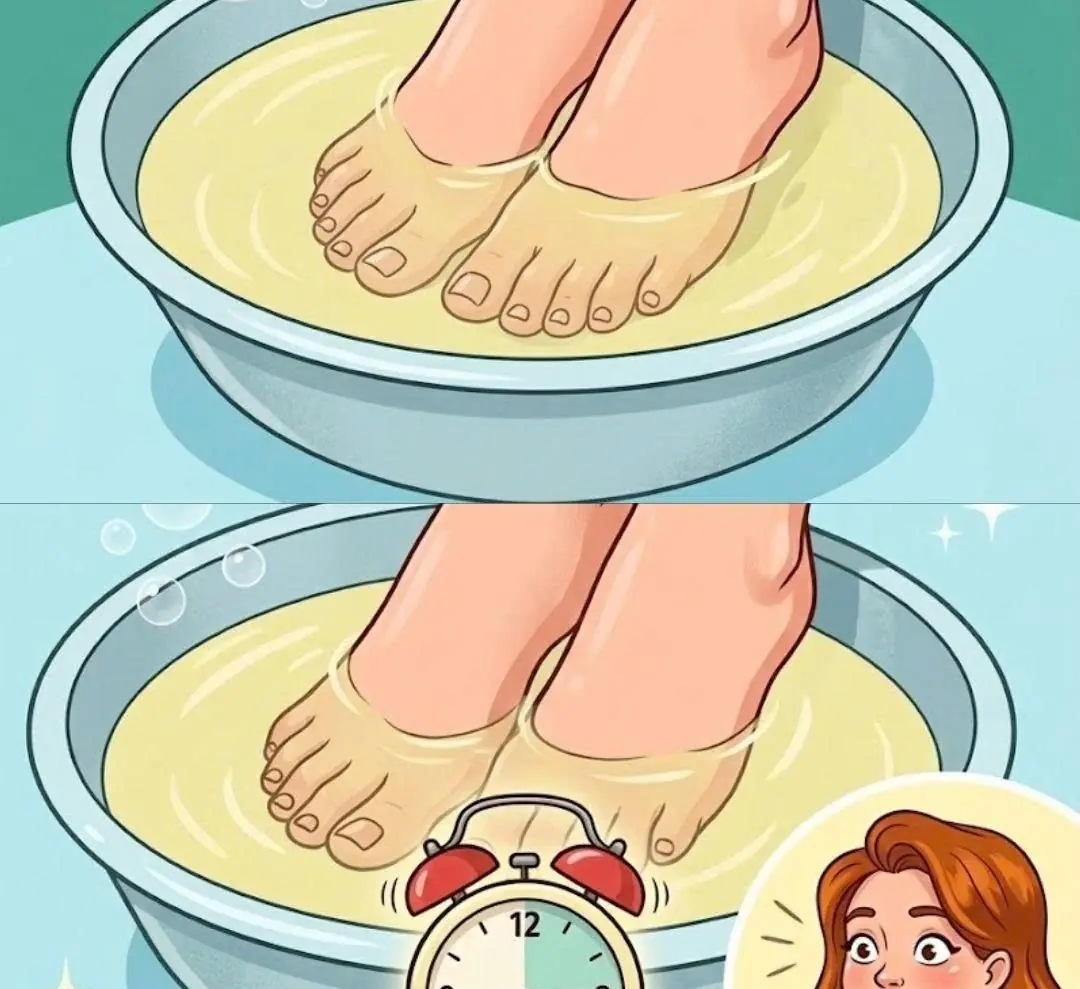
A Weekly Vinegar Foot Soak Could Support Foot Comfort and Hygiene
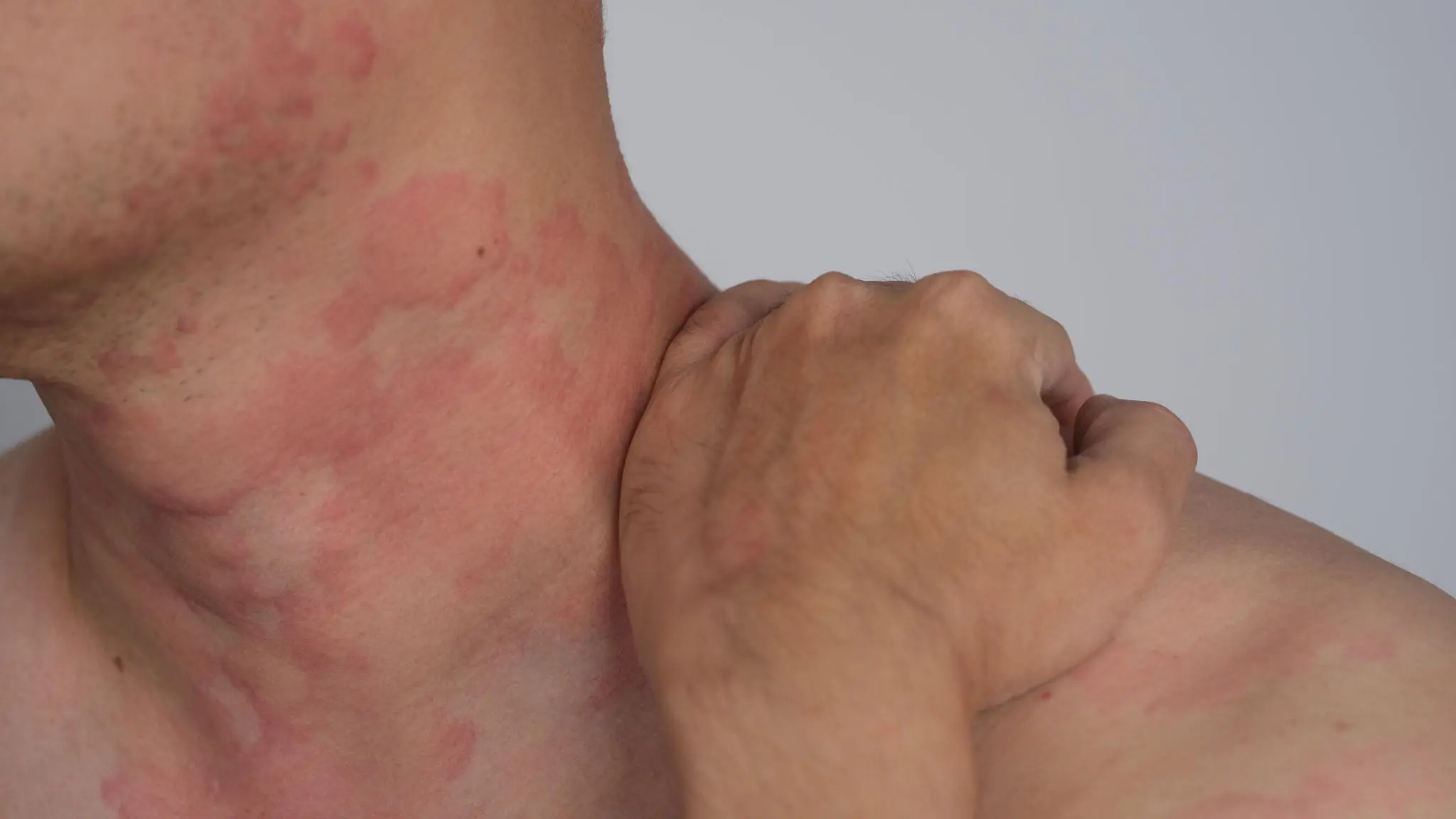
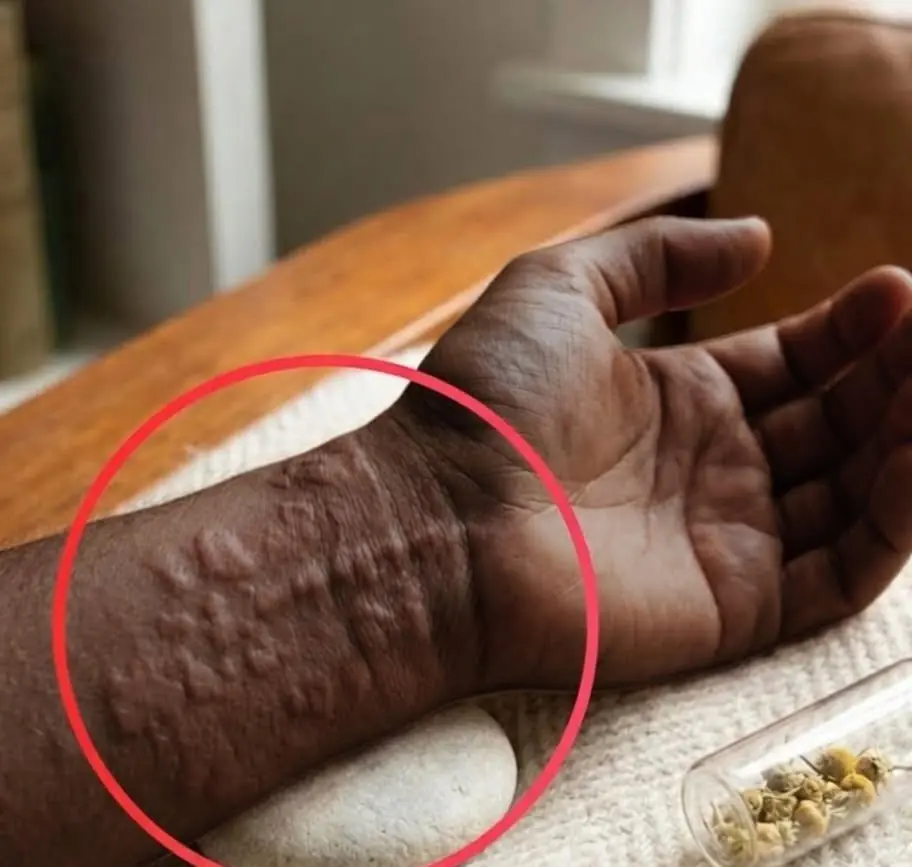
Don't Ignore This Rash—It Could Be More Serious Than You Think
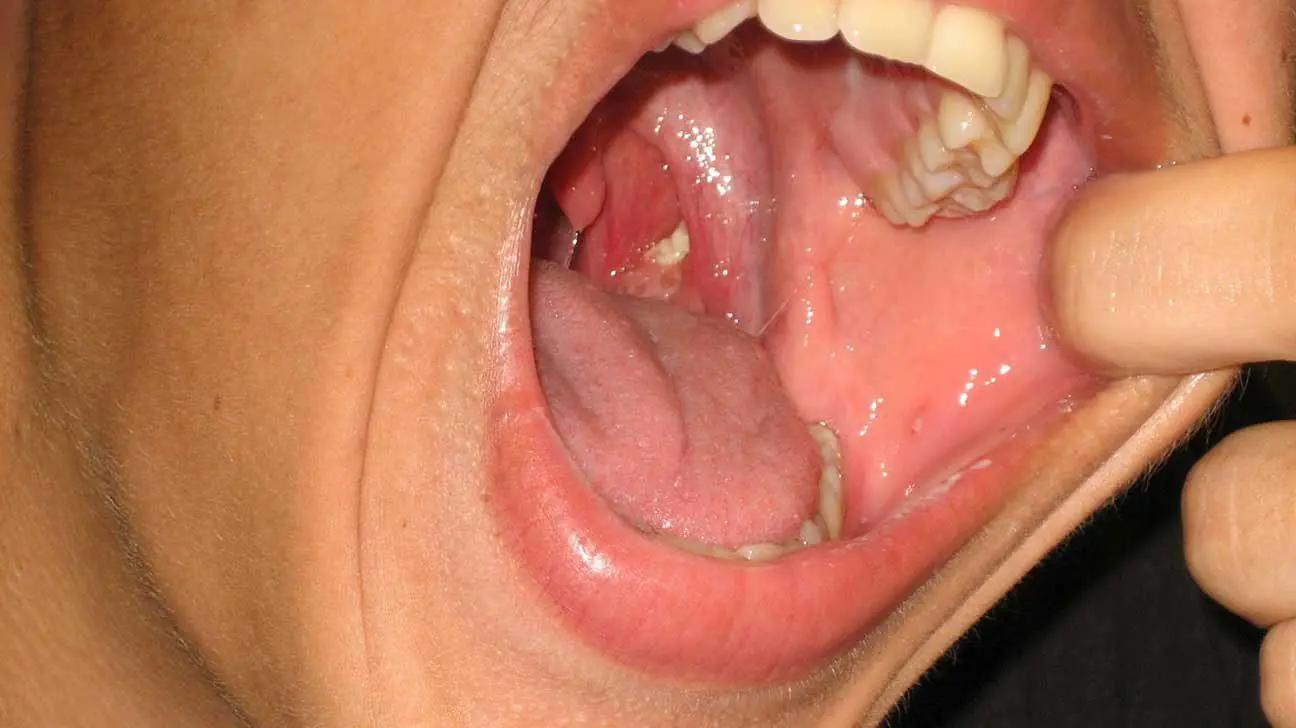
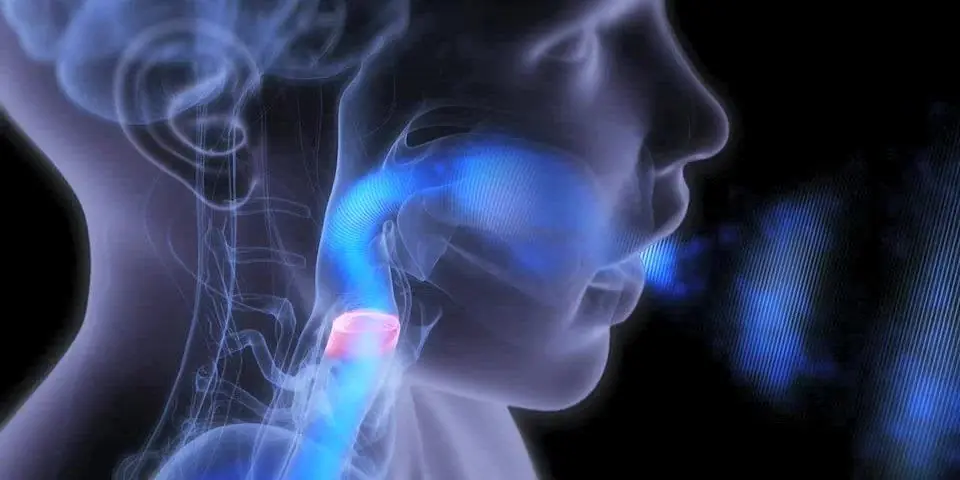
5 Symptoms of Esophageal Cancer That Are Often Mistaken for Heartburn

10 Possible Signs You're Not Drinking Enough Water

Orange Peels and Ginger: A Traditional Combination Worth Trying

Thinking About Eating More Celery? Here's What You Should Know

Start the Week Feeling Refreshed with This Nourishing Green Juice Recipe
Your Body Could Be Sending These 7 Blood Sugar Warning Signals While You Sleep
Garlic and Ghee: Exploring the Potential Benefits of This Traditional Combination
Heel Pain That Won't Go Away? Here's What It Could Mean
Don't Ignore Ongoing Itching - It May Sometimes Be Related to Liver Health

Corn Silk Tea: A Traditional Herbal Drink with Potential Health Benefits
These 5 Common Symptoms Could Be Your Body Asking for Help
One Common Beverage May Contain More Sugar Than You Think
Many People Sleep Like This Every Night Without Knowing the Risks
Sleeping on Your Right Side Every Night May Affect Your Body in Unexpected Ways
Doctors warn: Eating sweet potatoes may lead to… See more
If Your Legs Cramp at Night You Need to Know This Immediately
A Weekly Vinegar Foot Soak Could Support Foot Comfort and Hygiene
Don't Ignore This Rash—It Could Be More Serious Than You Think
5 Symptoms of Esophageal Cancer That Are Often Mistaken for Heartburn
10 Possible Signs You're Not Drinking Enough Water
Orange Peels and Ginger: A Traditional Combination Worth Trying
Thinking About Eating More Celery? Here's What You Should Know
Protect Your Wooden Furniture: Simple Home Remedies and Prevention Tips
Start the Week Feeling Refreshed with This Nourishing Green Juice Recipe
Your Body Could Be Sending These 7 Blood Sugar Warning Signals While You Sleep
Garlic and Ghee: Exploring the Potential Benefits of This Traditional Combination
Heel Pain That Won't Go Away? Here's What It Could Mean
Don't Ignore Ongoing Itching - It May Sometimes Be Related to Liver Health