
Healthy Couple Both Diagnosed With Can.cer After Years of One Daily Drink Habit, Doctors Issue Warning
One Common Beverage May Contain More Sugar Than You Think
Health 05/07/2026 20:40


 5
5
Our feet work tirelessly every single day. Whether you're standing for hours, walking long distances, exercising, or simply going about your daily routine, your feet absorb constant pressure and are often exposed to sweat, moisture, and bacteria. It's no surprise that many people experience tired feet, unpleasant odors, rough skin, or minor irritation from time to time.
One simple home remedy that has remained popular for generations is the vinegar foot soak. While it isn't a miracle cure or a replacement for medical treatment, soaking your feet in diluted vinegar once a week may help support foot hygiene, comfort, and skin health when combined with good daily foot care.
Vinegar, especially apple cider vinegar and white vinegar, contains acetic acid, which has mild antimicrobial properties. Laboratory studies suggest that acetic acid can inhibit the growth of certain bacteria and fungi under specific conditions.
Because of these properties, many people use vinegar foot soaks to help:
However, it's important to remember that scientific evidence supporting vinegar foot soaks for treating medical conditions is limited, and they should not be considered a cure for infections or chronic foot problems.
Feet naturally produce sweat, and bacteria break down that sweat, creating unpleasant odors.
A diluted vinegar soak may help create an environment that is less favorable for odor-causing bacteria, leaving your feet feeling fresher.
After a long day in shoes, your feet can accumulate dirt, sweat, and dead skin cells.
A warm vinegar soak can become part of a weekly hygiene routine, helping you thoroughly clean your feet before moisturizing.
Warm water naturally softens hardened skin.
Adding vinegar may help loosen dead skin, making it easier to gently exfoliate areas such as:
After soaking, using a pumice stone and applying moisturizer may leave your feet feeling noticeably smoother.
Foot soaks aren't just about hygiene—they're also relaxing.
Warm water can soothe tired muscles after:
Many people find that a weekly foot soak helps reduce the feeling of fatigue in their feet.
Keeping your feet clean and dry is one of the best ways to support healthy skin.
Although vinegar is not a proven treatment for fungal infections or skin diseases, some people use diluted vinegar as part of their regular foot care routine to maintain cleanliness.
If you have persistent redness, itching, pain, or cracked skin, it's best to consult a healthcare professional.


 4
4
Step 1: Fill the basin with warm (not hot) water.
Step 2: Add vinegar using roughly a 1:2 ratio.
Step 3: Soak your feet for 15–20 minutes.
Step 4: Gently dry your feet, especially between the toes.
Step 5: Apply a moisturizing cream if your skin tends to be dry.
A weekly vinegar foot soak may be appreciated by people who:
Although vinegar is a common household product, it isn't suitable for everyone.
Vinegar can sometimes cause irritation, especially if used at high concentrations or for prolonged periods.
If you notice burning, redness, or worsening discomfort, stop using the soak and rinse your feet with clean water.
People with diabetes, poor circulation, or nerve damage should consult their healthcare provider before trying home foot treatments, since even minor skin injuries can become serious.
A vinegar soak is only one small part of good foot care.
For healthier feet, remember to:
✔ Wash your feet daily.
✔ Dry thoroughly, especially between the toes.
✔ Change socks every day.
✔ Wear breathable shoes.
✔ Alternate shoes to allow them to dry.
✔ Trim toenails straight across.
✔ Moisturize dry heels (but avoid applying lotion between the toes).
✔ Replace worn-out footwear when needed.
These everyday habits have much stronger evidence for maintaining healthy feet than occasional home remedies alone.
Reality: Vinegar may have mild antimicrobial effects, but it is not a proven replacement for antifungal medications prescribed or recommended by healthcare professionals.
Reality: Undiluted vinegar may irritate the skin. Always dilute it before soaking your feet.
Reality: Frequent soaking may dry out the skin. For many people, once a week is enough as part of a balanced foot-care routine.
A weekly vinegar foot soak is an inexpensive and relaxing self-care habit that may support foot comfort, freshness, and hygiene. Warm water combined with diluted vinegar can help soften rough skin, reduce odors, and provide a refreshing break after long days on your feet.
However, it's important to keep expectations realistic. Vinegar is not a cure for medical conditions, and persistent foot pain, swelling, wounds, or signs of infection should always be evaluated by a qualified healthcare professional.
When paired with daily washing, proper footwear, moisturizing, and good overall foot hygiene, a simple weekly vinegar soak can be a pleasant addition to your wellness routine—helping your feet feel cleaner, fresher, and ready to carry you wherever life takes you.
One Common Beverage May Contain More Sugar Than You Think
Many People Sleep Like This Every Night Without Knowing the Risks

Sleeping on Your Right Side Every Night May Affect Your Body in Unexpected Ways

Doctors warn: Eating sweet potatoes may lead to… See more

Snake bi.te - don't panic, do the following

If Your Legs Cramp at Night You Need to Know This Immediately

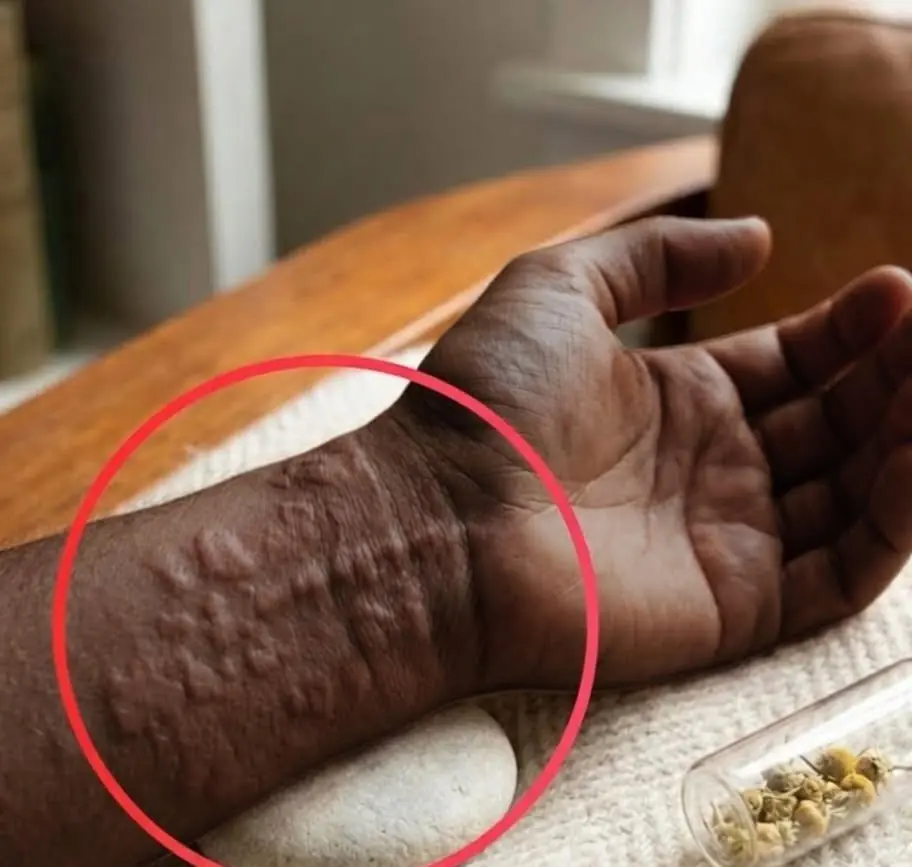
Don't Ignore This Rash—It Could Be More Serious Than You Think


5 Symptoms of Esophageal Cancer That Are Often Mistaken for Heartburn

10 Possible Signs You're Not Drinking Enough Water

Orange Peels and Ginger: A Traditional Combination Worth Trying

Thinking About Eating More Celery? Here's What You Should Know

Start the Week Feeling Refreshed with This Nourishing Green Juice Recipe

Your Body Could Be Sending These 7 Blood Sugar Warning Signals While You Sleep

Garlic and Ghee: Exploring the Potential Benefits of This Traditional Combination

Heel Pain That Won't Go Away? Here's What It Could Mean

Don't Ignore Ongoing Itching - It May Sometimes Be Related to Liver Health

Corn Silk Tea: A Traditional Herbal Drink with Potential Health Benefits

Choosing the Right Time to Shower: What You Should Know
One Common Beverage May Contain More Sugar Than You Think
Many People Sleep Like This Every Night Without Knowing the Risks
Sleeping on Your Right Side Every Night May Affect Your Body in Unexpected Ways
Doctors warn: Eating sweet potatoes may lead to… See more
Snake bi.te - don't panic, do the following
If Your Legs Cramp at Night You Need to Know This Immediately
Don't Ignore This Rash—It Could Be More Serious Than You Think
5 Symptoms of Esophageal Cancer That Are Often Mistaken for Heartburn
10 Possible Signs You're Not Drinking Enough Water
Orange Peels and Ginger: A Traditional Combination Worth Trying
Thinking About Eating More Celery? Here's What You Should Know

Protect Your Wooden Furniture: Simple Home Remedies and Prevention Tips
Start the Week Feeling Refreshed with This Nourishing Green Juice Recipe
Your Body Could Be Sending These 7 Blood Sugar Warning Signals While You Sleep
Garlic and Ghee: Exploring the Potential Benefits of This Traditional Combination
Heel Pain That Won't Go Away? Here's What It Could Mean
Don't Ignore Ongoing Itching - It May Sometimes Be Related to Liver Health
Corn Silk Tea: A Traditional Herbal Drink with Potential Health Benefits