
What you should know if you frequently suffer from leg cramps during the night?
What you should know if you frequently suffer from leg cramps during the night?
Health 05/07/2026 22:29


 5
5
Whether you're training for a marathon, preparing for a cycling event, or simply trying to improve your workouts, you've probably heard that beet juice can enhance athletic performance. In fact, many elite athletes and sports nutrition experts have incorporated beetroot into pre-workout routines because of its naturally high nitrate content.
The image above suggests consuming ½ cup of beet juice, three medium beets, or one cup of cooked spinach two to three hours before exercise to maximize performance. This recommendation is generally consistent with research showing that dietary nitrates may improve exercise efficiency and endurance in some people. However, the benefits are not universal, and the effects vary depending on the individual, the sport, and the amount consumed.
Let's take a closer look at what the evidence actually says.
Beets are naturally rich in dietary nitrates, compounds that the body converts into nitric oxide.
Nitric oxide plays several important roles, including:
Because of these effects, beetroot has become one of the most researched natural performance-enhancing foods.
After eating nitrate-rich foods like beets or spinach:
Nitric oxide helps blood vessels widen, allowing more oxygen and nutrients to reach working muscles during exercise.
Interestingly, using strong antibacterial mouthwash immediately before or after consuming beet juice may reduce this conversion, because it can temporarily decrease the oral bacteria involved in the process.
The strongest evidence supports beet juice for endurance activities, such as:
Studies suggest dietary nitrates may help muscles use oxygen more efficiently, allowing some people to exercise longer before becoming fatigued.
Research has found that beet juice may reduce the amount of oxygen required during moderate exercise.
In simple terms, your muscles may perform the same amount of work while using slightly less energy.
This improved efficiency can be particularly beneficial during prolonged aerobic exercise.
Nitric oxide helps relax blood vessels.
Improved circulation may increase:
These changes may contribute to better overall exercise performance.


 4
4
Some research suggests beet juice may also benefit repeated high-intensity efforts, although results are less consistent than for endurance sports.
Potential improvements have been observed in:
However, elite athletes sometimes experience smaller benefits than recreational exercisers, likely because their bodies are already highly adapted to training.
Beets are not the only source of dietary nitrates.
Other nitrate-rich vegetables include:
These vegetables provide similar nitrate compounds while also delivering fiber, vitamins, minerals, and antioxidants.
Most studies have participants consume beet juice approximately 2–3 hours before exercise.
This timing allows enough time for dietary nitrates to be converted into nitric oxide.
Some athletes also consume nitrate-rich foods regularly over several days before major competitions, though optimal strategies vary depending on the sport and the individual.
Research often uses concentrated beetroot juice providing approximately 300–600 mg of dietary nitrate.
This amount may come from:
The exact nitrate content varies considerably based on growing conditions, storage, and processing.
Beyond sports performance, beets are packed with nutrients.
They provide:
Some studies suggest beet consumption may also support:
However, these benefits are best achieved as part of an overall balanced diet.
Beet juice is generally safe for most healthy people.
Some temporary effects include:
A harmless condition called beeturia may cause urine or stool to appear pink or reddish after eating beets.
Although it can look alarming, it is usually not a cause for concern.
Large amounts of beet juice may cause:
Starting with smaller amounts may help if you're trying beet juice for the first time.
Beets contain oxalates, which may contribute to kidney stone formation in susceptible individuals.
People with a history of calcium oxalate kidney stones should discuss appropriate dietary choices with their healthcare provider or dietitian.
Beet juice appears most helpful for:
The effects may be smaller or less predictable in highly trained elite athletes.
Reality: Beet juice may provide modest performance improvements for some people, but it is not an instant performance enhancer or a substitute for proper training.
Reality: Consuming excessive amounts is unlikely to produce greater benefits and may increase the chance of digestive discomfort.
Reality: Athletic performance depends on many factors, including overall diet, hydration, sleep, recovery, and consistent training—not a single food or beverage.
✔ Consume it 2–3 hours before endurance exercise.
✔ Pair it with a balanced pre-workout meal if appropriate.
✔ Stay well hydrated before training.
✔ Avoid using strong antibacterial mouthwash immediately before consuming nitrate-rich foods, as it may reduce nitrate conversion.
✔ Test beet juice during training—not for the first time on race day—to make sure it agrees with your digestive system.
Scientific evidence suggests that dietary nitrates from beet juice, beets, spinach, and other leafy green vegetables can improve exercise efficiency and endurance performance in some individuals. By increasing nitric oxide production, these foods may enhance blood flow, improve oxygen delivery, and help muscles work more efficiently during prolonged exercise.
While beet juice is not a magic performance booster, it can be a useful addition to a well-planned training and nutrition strategy. Combined with regular exercise, proper hydration, balanced meals, quality sleep, and adequate recovery, nitrate-rich vegetables may help support your athletic goals naturally and safely.
What you should know if you frequently suffer from leg cramps during the night?

A green ring on boiled eggs is usually harmless—but here's why it happens.

Could Food in Your Refrigerator Increase Liver Cancer Risk? Here's What You Should Know
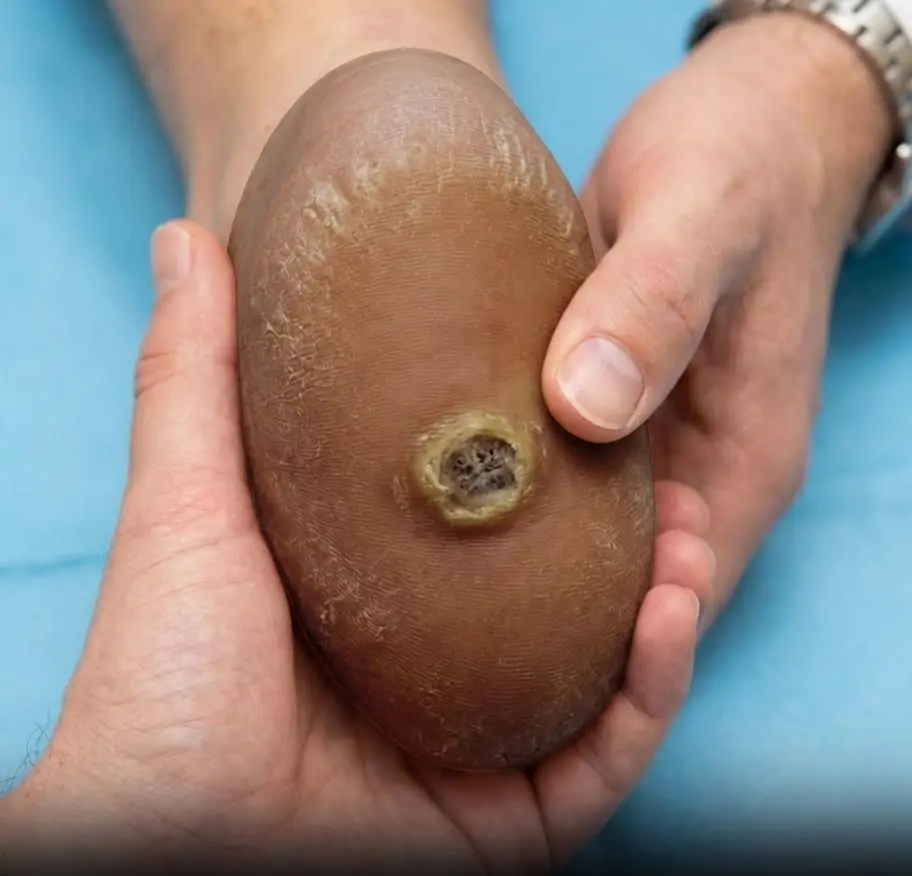
Don’t ignore a plantar callus just because it looks small. It can slowly grow deeper under the skin and become harder to treat later on.
Ounce for ounce, dried herbs and spices pack the greatest antioxidant punch.
Can Diet and Lifestyle Help Prevent Cancer? What the Science Really Says

Supporting Thyroid Health: 6 Foods That May Require Moderation

These 5 Common Symptoms Could Be Your Body Asking for Help

One Common Beverage May Contain More Sugar Than You Think

Many People Sleep Like This Every Night Without Knowing the Risks
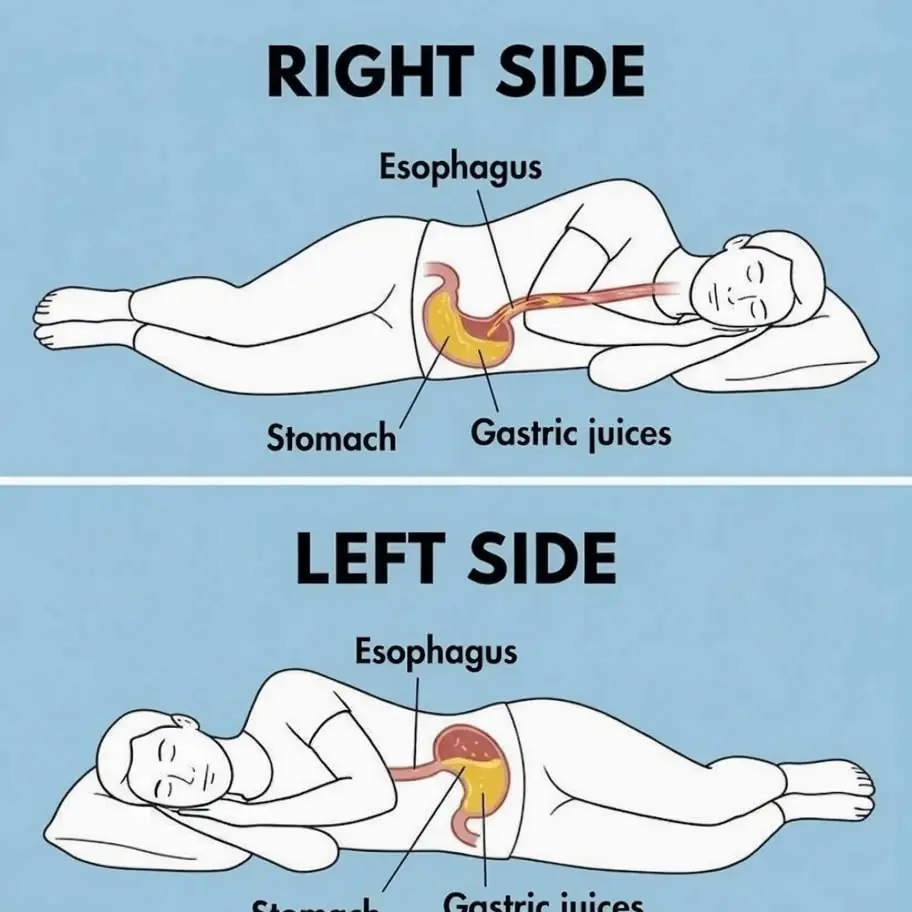
Sleeping on Your Right Side Every Night May Affect Your Body in Unexpected Ways

Doctors warn: Eating sweet potatoes may lead to… See more

Snake bi.te - don't panic, do the following

If Your Legs Cramp at Night You Need to Know This Immediately

A Weekly Vinegar Foot Soak Could Support Foot Comfort and Hygiene

Don't Ignore This Rash—It Could Be More Serious Than You Think


5 Symptoms of Esophageal Cancer That Are Often Mistaken for Heartburn

Can one boiled egg a day benefit your heart?
What you should know if you frequently suffer from leg cramps during the night?
A green ring on boiled eggs is usually harmless—but here's why it happens.
Could Food in Your Refrigerator Increase Liver Cancer Risk? Here's What You Should Know
Don’t ignore a plantar callus just because it looks small. It can slowly grow deeper under the skin and become harder to treat later on.
Ounce for ounce, dried herbs and spices pack the greatest antioxidant punch.
Can Diet and Lifestyle Help Prevent Cancer? What the Science Really Says
Supporting Thyroid Health: 6 Foods That May Require Moderation
These 5 Common Symptoms Could Be Your Body Asking for Help
One Common Beverage May Contain More Sugar Than You Think
Many People Sleep Like This Every Night Without Knowing the Risks
Sleeping on Your Right Side Every Night May Affect Your Body in Unexpected Ways
Doctors warn: Eating sweet potatoes may lead to… See more
Snake bi.te - don't panic, do the following
If Your Legs Cramp at Night You Need to Know This Immediately
A Weekly Vinegar Foot Soak Could Support Foot Comfort and Hygiene
Don't Ignore This Rash—It Could Be More Serious Than You Think
5 Symptoms of Esophageal Cancer That Are Often Mistaken for Heartburn