
Right-Side Pain Can Be Easy to Dismiss—But Should You?
If You Keep Feeling Pain on Your Right Side, Here's What to Know
Health 05/07/2026 23:32


 5
5
Have you ever noticed a thick, painful spot on the bottom of your foot that looks like a callus but doesn't behave like one? In many countries, people refer to these lesions as "fish eyes" because of their round appearance with a rough center. Medically, they are often plantar warts, which are quite different from ordinary calluses.
Although plantar warts and calluses can look similar, they have different causes, symptoms, and treatments. Knowing the difference is important because treating a wart like a callus may not solve the problem—and in some cases, could even make it worse.
Let's explore how to tell them apart and what you can do if you think you have one.
A plantar wart is a growth on the sole of the foot caused by infection with certain types of the human papillomavirus (HPV).
The virus enters the skin through tiny cuts or abrasions, especially in warm, moist environments such as:
Not everyone exposed to HPV develops a wart. Your immune system plays a major role in determining whether the virus causes an infection.
Although they may appear similar at first glance, there are several important differences.
Usually:
Usually:
A healthcare professional, such as a podiatrist or dermatologist, can usually distinguish between the two during an examination.
People with plantar warts may experience:
Because body weight pushes the wart inward, plantar warts often grow beneath the surface rather than protruding outward.
HPV spreads through direct contact.
Risk factors include:
It's important to remember that HPV is common, and developing a wart does not mean someone has poor hygiene.
Yes.


Many plantar warts eventually disappear as the immune system clears the virus.
However, this may take:
Because they can be painful and contagious, many people choose to seek treatment rather than waiting.
Treatment depends on:
Common treatments include:
Over-the-counter salicylic acid products gradually remove layers of the wart.
For best results:
A healthcare professional may freeze the wart with liquid nitrogen.
Multiple treatments are often needed.
If home treatments don't work, your healthcare provider may recommend:
The best treatment varies from person to person.
Do not:
❌ Cut the wart yourself with a knife or razor.
❌ Pick at the wart.
❌ Share nail files, pumice stones, or towels.
❌ Walk barefoot in public locker rooms if you have an active wart.
These practices may increase the risk of infection or spreading the virus.
Simple preventive habits include:
✔ Wear flip-flops in public showers and pool areas.
✔ Keep your feet clean and dry.
✔ Avoid sharing footwear or towels.
✔ Cover existing warts with a waterproof bandage when appropriate.
✔ Treat excessive sweating if recommended by your healthcare provider.
✔ Inspect your feet regularly, especially if you have diabetes.
Seek medical advice if:
People with diabetes or reduced sensation in their feet should not attempt to remove foot lesions themselves, as even small injuries can lead to serious complications.
Reality: Some thickened areas are plantar warts, while others may be calluses, corns, cysts, or other skin conditions. Proper diagnosis is important.
Reality: Warts do not have roots. The dark spots seen inside are tiny clotted blood vessels, not roots.
Reality: Although they're more common in children and teenagers, adults can also develop plantar warts.
A painful, thickened spot on the bottom of your foot isn't always a callus. Plantar warts ("fish eyes") are caused by certain types of HPV and require different treatment than friction-related calluses. Features such as tiny black dots, interruption of normal skin lines, and pain when the lesion is squeezed from the sides can suggest a plantar wart, but only a healthcare professional can make a definitive diagnosis.
Most plantar warts are benign and often resolve over time, but treatment can relieve discomfort and reduce the risk of spreading the virus. If you're unsure what you're dealing with—or if the lesion is painful, persistent, or changing—consult a podiatrist or dermatologist for an accurate evaluation and appropriate care.
If You Keep Feeling Pain on Your Right Side, Here's What to Know
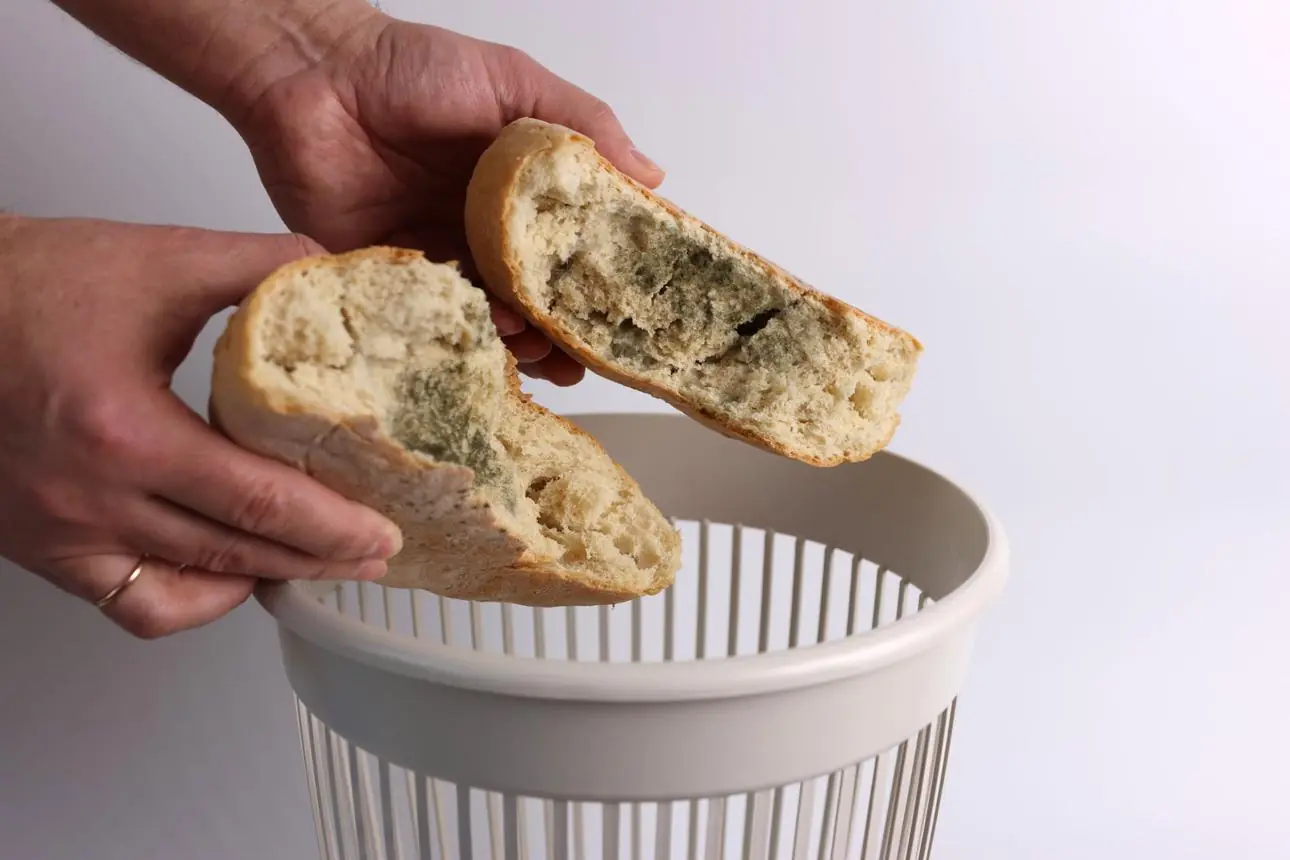
Moldy food may hide invisible toxins even after the visible mold is removed.
Before You Eat More Pumpkin, Here's What Doctors Want You to Know 🎃

Can one boiled egg a day benefit your heart?
What you should know if you frequently suffer from leg cramps during the night?

A green ring on boiled eggs is usually harmless—but here's why it happens.
Could Food in Your Refrigerator Increase Liver Cancer Risk? Here's What You Should Know

Can Beet Juice Boost Athletic Performance? Here's What the Science Says
Ounce for ounce, dried herbs and spices pack the greatest antioxidant punch.

Can Diet and Lifestyle Help Prevent Cancer? What the Science Really Says
Supporting Thyroid Health: 6 Foods That May Require Moderation
These 5 Common Symptoms Could Be Your Body Asking for Help

One Common Beverage May Contain More Sugar Than You Think
Many People Sleep Like This Every Night Without Knowing the Risks
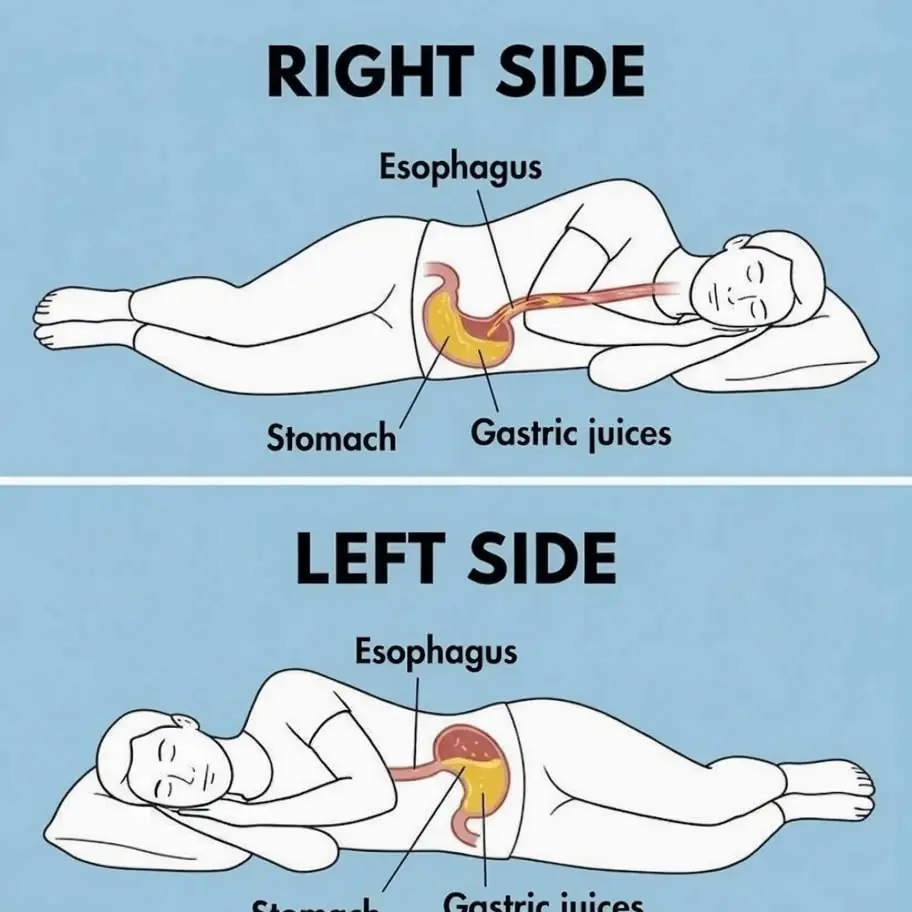
Sleeping on Your Right Side Every Night May Affect Your Body in Unexpected Ways

Doctors warn: Eating sweet potatoes may lead to… See more
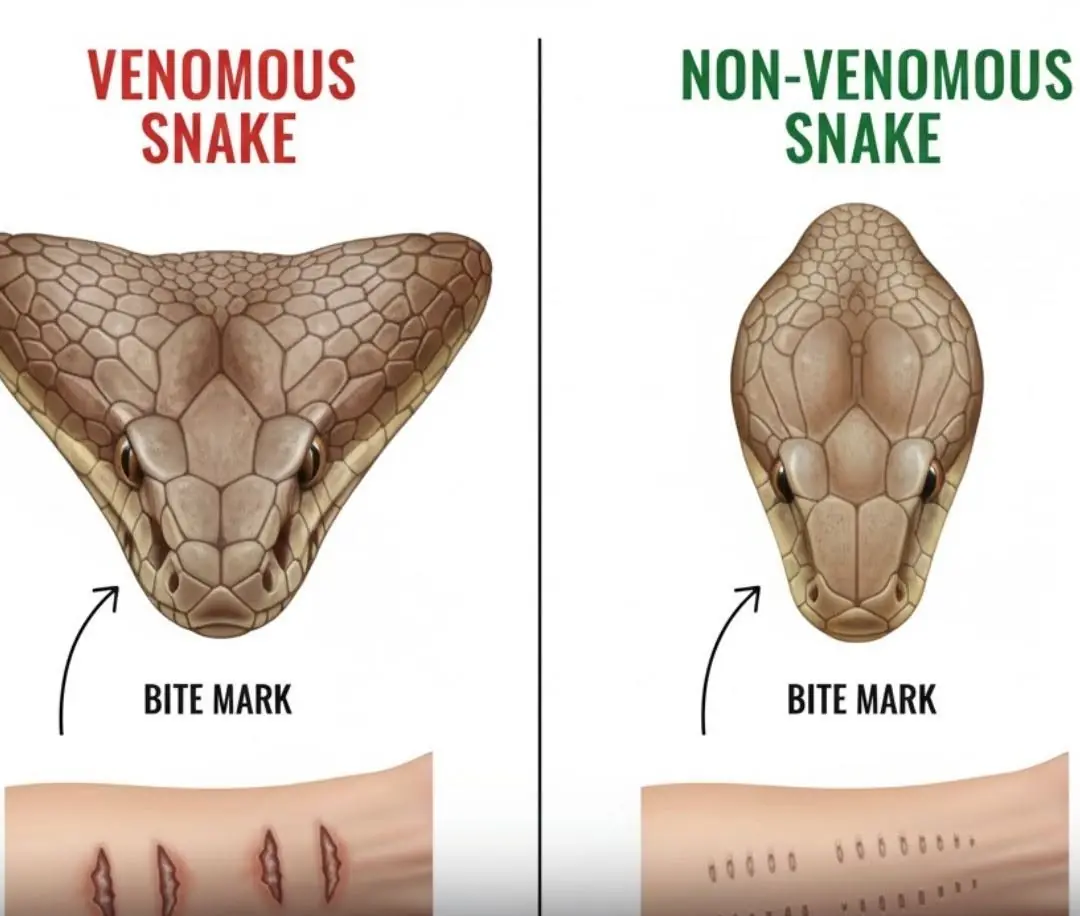
Snake bi.te - don't panic, do the following
If Your Legs Cramp at Night You Need to Know This Immediately
A Weekly Vinegar Foot Soak Could Support Foot Comfort and Hygiene

👀 Drinking Coconut Water Every Day? Doctors Say You Should Know This First
If You Keep Feeling Pain on Your Right Side, Here's What to Know
Moldy food may hide invisible toxins even after the visible mold is removed.
Before You Eat More Pumpkin, Here's What Doctors Want You to Know 🎃
Can one boiled egg a day benefit your heart?
What you should know if you frequently suffer from leg cramps during the night?
A green ring on boiled eggs is usually harmless—but here's why it happens.
Could Food in Your Refrigerator Increase Liver Cancer Risk? Here's What You Should Know
Can Beet Juice Boost Athletic Performance? Here's What the Science Says
Ounce for ounce, dried herbs and spices pack the greatest antioxidant punch.
Can Diet and Lifestyle Help Prevent Cancer? What the Science Really Says
Supporting Thyroid Health: 6 Foods That May Require Moderation
These 5 Common Symptoms Could Be Your Body Asking for Help
One Common Beverage May Contain More Sugar Than You Think
Many People Sleep Like This Every Night Without Knowing the Risks
Sleeping on Your Right Side Every Night May Affect Your Body in Unexpected Ways
Doctors warn: Eating sweet potatoes may lead to… See more
Snake bi.te - don't panic, do the following
If Your Legs Cramp at Night You Need to Know This Immediately