⚠️ Cheap Doesn’t Always Mean Safe
Fish is often praised as one of the healthiest protein sources - rich in omega-3 fatty acids, vitamins, and minerals. But not all fish are created equal.
In some cases, certain types of fish may carry:
- High levels of contaminants
- Poor farming conditions
- Lower nutritional value
And surprisingly, the ones that are cheaper and more accessible are sometimes the ones you should be most cautious about.
Let’s take a closer look at six types of fish you may want to avoid or limit.
🐟 1. Farmed Tilapia (Low-Quality Sources)
Tilapia is widely consumed because it’s affordable and mild in flavor.
However, some farmed tilapia — especially from poorly regulated environments — may:
- Be raised in overcrowded conditions
- Contain lower levels of beneficial omega-3
- Be exposed to questionable feed and water quality
👉 Not all tilapia is bad - but the source matters a lot.

🦈 2. Large Predatory Fish (High Mercury Levels)
Fish like:
- Shark
- Swordfish
- Certain types of tuna
tend to accumulate mercury over time.
Why this is concerning:
- Mercury can affect the nervous system
- High intake may pose risks, especially for children and pregnant individuals
👉 Bigger fish = higher position in the food chain = more accumulation.
🐠 3. Imported Catfish (Unregulated Sources)
Some imported catfish may come from regions with less strict food safety regulations.
Potential concerns:
- Contaminated water
- Use of antibiotics or chemicals
- Lower quality control
👉 Always check the origin when possible.
🍤 4. Frozen Fish With Heavy Processing
Not all frozen fish is bad — but heavily processed products can be.
Watch out for:
- Added preservatives
- Artificial flavoring
- Low actual fish content
👉 Cheap processed fish may sacrifice quality for cost.
🐡 5. Fish With High Pollution Exposure
Fish caught in polluted waters may contain:
- Heavy metals
- Industrial chemicals
- Environmental toxins
These substances can accumulate in the body over time.
👉 Location matters just as much as the type of fish.
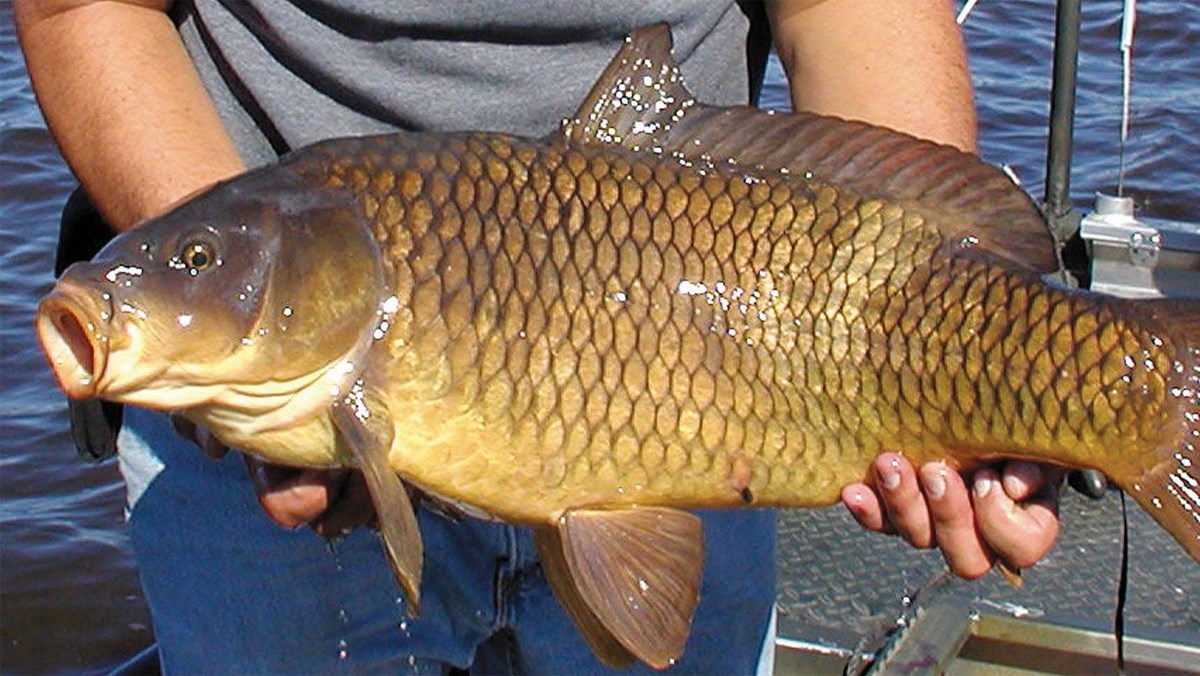
🐟 6. Fish With Unclear Labeling
If you don’t know:
- Where the fish comes from
- How it was processed
- What species it actually is
That’s a red flag.
Mislabeling in seafood is more common than many people think.
👉 Transparency = trust.
⚖️ It’s Not About Avoiding Fish — It’s About Choosing Wisely
Fish remains an important part of a healthy diet.
The goal isn’t to eliminate it, but to:
- Choose high-quality sources
- Prefer smaller, low-mercury fish
- Avoid overly processed options
👉 Smart choices make all the difference.
🛡️ Tips for Safer Fish Consumption
- Buy from reputable suppliers
- Look for clear labeling and origin
- Choose wild-caught or responsibly farmed fish
- Limit intake of large predatory species
👉 A little awareness goes a long way.
🌱 Final Thoughts
While fish is often seen as a healthy staple, not all options are equally beneficial - especially when price becomes the main factor.
Sometimes, cheaper choices come with hidden trade-offs in quality and safety.
So next time you’re at the market, take a closer look.
Because when it comes to food, what you choose matters just as much as how much you pay.