Stomach cancer (also called gastric cancer) can be difficult to detect early because its first symptoms often resemble common digestive problems. However, when the disease reaches an advanced stage, the body may begin to show clearer warning signals. Recognizing these signs early can help patients seek timely diagnosis and treatment, which may improve quality of life and outcomes.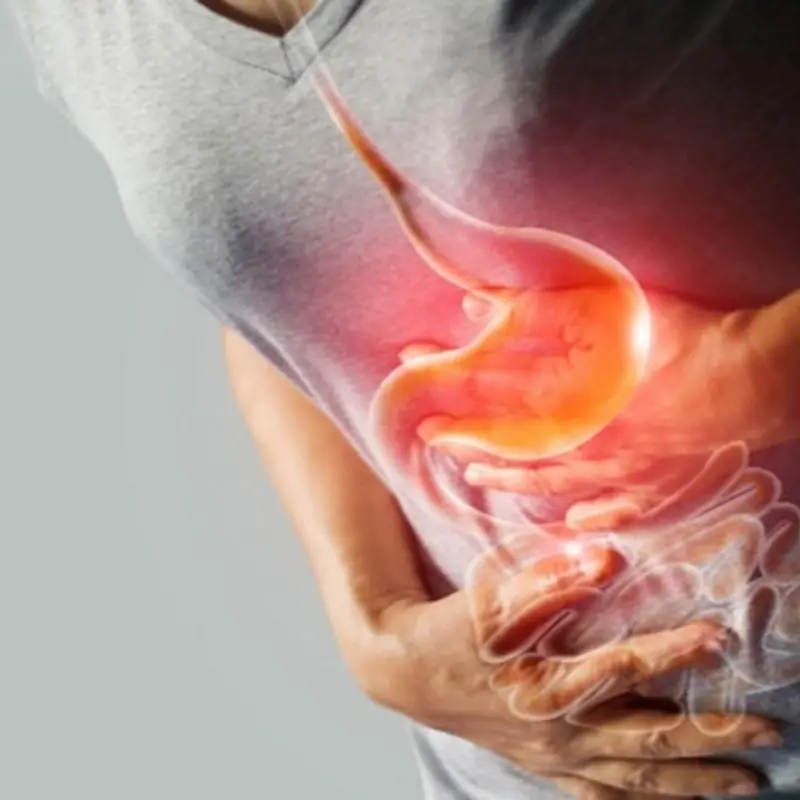
Below are seven symptoms that could indicate advanced stomach cancer, explained in a clear, practical way.
1. Persistent Stomach Pain or Discomfort
One of the most frequent symptoms is ongoing pain in the upper abdomen. This may feel like burning, cramping, or pressure that does not go away.
Why it happens:
As a tumor grows, it can irritate the stomach lining or press against nearby tissues.
When to worry:
If abdominal pain lasts more than two weeks, becomes stronger, or appears alongside weight loss or vomiting, medical evaluation is important.
2. Unexplained Weight Loss
Losing weight without trying can be a serious sign, especially when combined with poor appetite.
Why it happens:
Advanced cancer may reduce your desire to eat, cause early fullness, or affect how your body absorbs nutrients. Cancer can also increase the body’s energy use, leading to weight loss.
Warning sign:
Losing more than 5% of your body weight in a short period should not be ignored.
3. Loss of Appetite and Feeling Full Quickly
Many people with advanced stomach cancer report eating small amounts and feeling full immediately.
Why it happens:
A tumor can reduce stomach space or interfere with normal digestion.
What it feels like:
You may feel satisfied after only a few bites, or you may avoid food because it causes discomfort.
4. Nausea and Vomiting (Sometimes With Blood)
Nausea and vomiting may occur when the stomach is blocked or irritated. In some cases, people may vomit blood or have dark, coffee-ground-like vomit.
Why it happens:
The tumor may cause bleeding or prevent food from passing through the stomach normally.
Emergency warning:
Vomiting blood, severe dizziness, or weakness requires urgent medical attention.
5. Difficulty Swallowing
Although swallowing problems are often linked to esophageal cancer, they can also occur in stomach cancer—especially if the tumor is located near the upper part of the stomach where it connects to the esophagus.
Signs include:
-
Food feeling stuck
-
Pain when swallowing
-
Need to drink water to push food down
This symptom is particularly concerning if it appears suddenly or progressively worsens.
6. Black Stools or Signs of Internal Bleeding
Stomach bleeding may not always be visible, but it can show up as black, tarry stools.
Why it happens:
Blood that passes through the digestive system turns dark. Chronic bleeding can also cause anemia.
Anemia symptoms may include:
-
Fatigue
-
Pale skin
-
Shortness of breath
-
Fast heartbeat
If these appear together, a doctor may recommend urgent testing.
7. Swelling in the Abdomen (Bloating or Fluid Build-Up)
In later stages, stomach cancer may cause fluid accumulation in the abdomen, called ascites, making the belly look swollen.
Why it happens:
Cancer can spread to the liver or lining of the abdomen, leading to fluid build-up.
What you might notice:
-
A tight or enlarged stomach
-
Discomfort when bending
-
Shortness of breath due to pressure
This symptom often indicates advanced disease and needs medical evaluation.
Why These Symptoms Should Not Be Ignored
While these symptoms can be caused by other digestive conditions—such as ulcers, gastritis, reflux, or infections—advanced stomach cancer becomes more likely when multiple symptoms appear together and persist over time.
When to See a Doctor Immediately
Seek medical help if you experience:
-
Vomiting blood
-
Black stools
-
Severe abdominal pain
-
Rapid unexplained weight loss
-
Constant vomiting or inability to eat
-
Extreme fatigue or fainting
Early testing can include blood tests, endoscopy, biopsy, and imaging scans.
Final Thoughts
The key message is simple: persistent symptoms deserve attention. If you or someone you know is experiencing these warning signs—especially in combination—do not delay. Consulting a healthcare professional can bring clarity, diagnosis, and the best possible care plan.