Waking up in the middle of the night with a dry, sticky mouth is more than just uncomfortable—it may be your body’s way of sending a warning. The headline in the image says: “Dry mouth at night could be a warning sign: Don’t ignore these 8 reasons.”
Occasional dry mouth can happen to anyone, especially after salty foods or a long day without enough water. But if it becomes a frequent nightly problem, it may signal issues such as dehydration, breathing problems, medication side effects, or even underlying health conditions.
Dry mouth—also called xerostomia—occurs when the salivary glands don’t produce enough saliva. Saliva is essential for digestion, protecting teeth, and keeping the mouth clean. When saliva is reduced, the mouth becomes vulnerable to bad breath, cavities, gum disease, and infections. Here are eight common reasons your mouth feels dry at night—and what you can do about them.
1) Mouth Breathing and Nasal Congestion
One of the most common reasons for dry mouth at night is breathing through the mouth while sleeping. If your nose is blocked due to allergies, a cold, sinus problems, or a deviated septum, you may unknowingly sleep with your mouth open. This dries out the oral tissues quickly.
What to do:
Try saline rinses, allergy treatment, or a humidifier. If congestion is chronic, consider seeing an ENT doctor.
2) Snoring and Sleep Apnea
Snoring is not just noisy—it may indicate airflow problems. People who snore often sleep with their mouths open, causing dryness. More seriously, obstructive sleep apnea (pauses in breathing during sleep) can also lead to severe dry mouth and daytime fatigue.
What to do:
If you snore loudly, wake up gasping, or feel tired despite sleep, get evaluated for sleep apnea.
3) Dehydration and Not Drinking Enough Water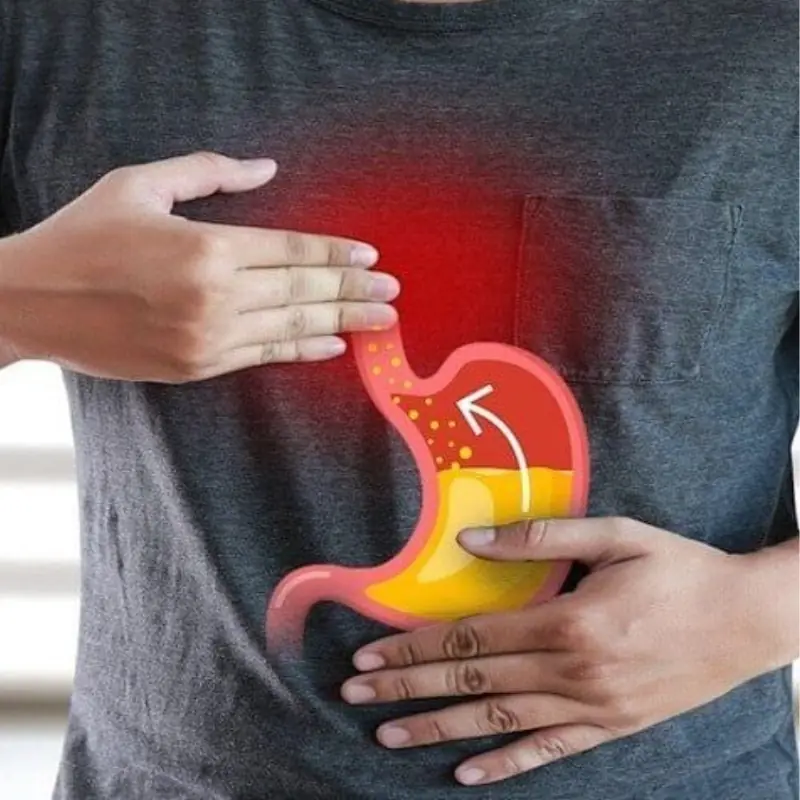
Many people underestimate how dehydration affects nighttime comfort. If your body lacks fluids, saliva production drops. Dehydration can be caused by sweating, diarrhea, fever, or simply not drinking enough water during the day.
What to do:
Drink water regularly, but avoid excessive fluids right before bed to reduce nighttime bathroom trips.
4) Medications That Reduce Saliva
Dry mouth is a common side effect of many medications—especially antihistamines, antidepressants, anxiety medicines, blood pressure drugs, and diuretics. These can reduce saliva production and worsen symptoms at night.
What to do:
Do not stop medications suddenly. Speak to your doctor about possible alternatives or dosage adjustments.
5) Alcohol, Caffeine, and Smoking
Alcohol and caffeine can dry the mouth, especially when consumed in the evening. Smoking also reduces saliva and irritates oral tissues. These habits can make dry mouth worse and increase the risk of gum disease and oral infections.
What to do:
Limit coffee, tea, and alcohol after late afternoon, and reduce smoking if possible.
6) Acid Reflux (GERD)
The image includes a stomach graphic, suggesting another common cause: acid reflux. When stomach acid rises into the throat at night, it can irritate the mouth and reduce saliva. Some people wake up with a dry mouth, sore throat, bitter taste, or coughing.
What to do:
Avoid heavy meals before bed, elevate the head of the bed, and reduce spicy or fatty foods. If symptoms persist, consult a doctor.
7) Diabetes and High Blood Sugar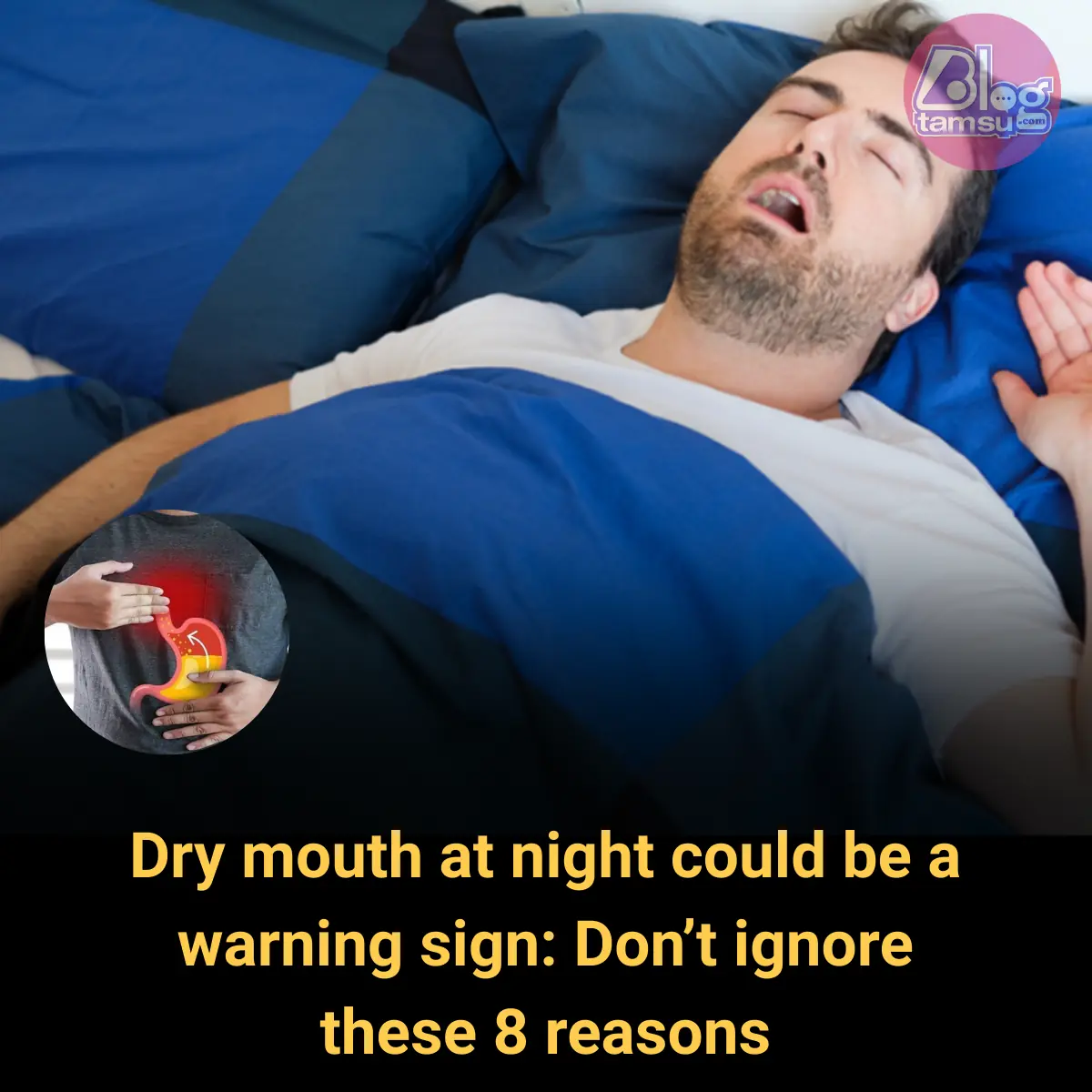
Frequent dry mouth can also be linked to high blood sugar levels. People with diabetes may urinate more often, leading to dehydration and reduced saliva. Dry mouth may appear along with increased thirst, fatigue, and blurred vision.
What to do:
If dry mouth is persistent and paired with thirst or frequent urination, consider getting a blood sugar test.
8) Autoimmune Conditions and Salivary Gland Problems
Some medical conditions directly affect saliva production. For example, Sjögren’s syndrome attacks moisture-producing glands, causing chronic dry mouth and dry eyes. Salivary gland infections, stones, or radiation treatment history may also reduce saliva.
What to do:
Seek medical evaluation if dry mouth is severe, long-lasting, or associated with dry eyes and joint pain.