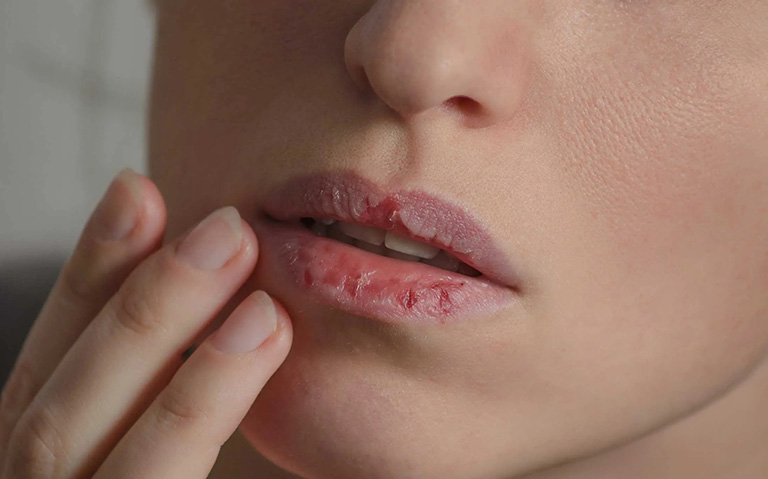
Waking up at night with a dry mouth - or opening your eyes in the morning feeling parched, sticky, or uncomfortable - is more than just an
annoyance. For many people, nighttime dry mouth (xerostomia) is a recurring problem that affects sleep quality, oral health, and overall
well-being.
While it may seem harmless at first, persistent dry mouth during sleep can be a signal that something in your body or daily habits needs
attention. Below are eight common reasons why your mouth feels dry at night, along with why they matter.
1. Mouth Breathing While Sleeping
One of the most common causes of nighttime dry mouth is breathing through the mouth instead of the nose.
When air constantly flows through the mouth:
-
Saliva evaporates quickly
-
Oral tissues dry out
-
Throat irritation increases
Mouth breathing often happens due to nasal congestion, allergies, sinus issues, or structural problems such as a deviated septum. Even
people who breathe normally during the day may unknowingly switch to mouth breathing while asleep.
2. Dehydration During the Day
Dry mouth at night often starts with not drinking enough water during the day.
When the body is dehydrated:
-
Saliva production decreases
-
The mouth and throat dry out more easily
-
Symptoms worsen overnight when fluid intake stops
Caffeine, alcohol, and excessive sweating can further deplete body fluids, making nighttime dryness more noticeable.
3. Side Effects of Medications
Many commonly used medications list dry mouth as a side effect, including:
-
Antihistamines
-
Antidepressants
-
Blood pressure medications
-
Sleep aids
-
Pain relievers
These drugs can interfere with salivary gland function, reducing saliva production—especially noticeable at night when saliva naturally
decreases.
4. Snoring and Sleep Apnea
People who snore or have sleep apnea are more likely to experience dry mouth at night.
Snoring often involves:
-
Open-mouth breathing
-
Increased airflow over oral tissues
-
Reduced saliva retention
Sleep apnea can also cause repeated awakenings and oxygen deprivation, further contributing to dryness and throat discomfort.
5. Aging and Reduced Saliva Production
As people age, saliva production naturally decreases. This makes older adults more prone to dry mouth, especially during sleep.
Additionally, aging often comes with:
-
Increased medication use
-
Changes in hormone levels
-
Reduced thirst sensation
Together, these factors can significantly increase nighttime dryness.
6. High Blood Sugar or Diabetes
Dry mouth can be an early sign of high blood sugar levels.
When blood glucose is elevated:
-
The body tries to flush excess sugar through urine
-
Fluid loss increases
-
Saliva production drops
People with undiagnosed or poorly controlled diabetes often report waking up at night feeling extremely thirsty, with a dry mouth and
tongue.
7. Anxiety, Stress, or Poor Sleep Quality
Stress and anxiety activate the body’s “fight or flight” response, which suppresses saliva production.
At night, this can lead to:
-
Clenched jaw or teeth grinding
-
Shallow breathing
-
Reduced salivary flow
People who experience racing thoughts or tension before bed often notice dryness as part of a larger stress response.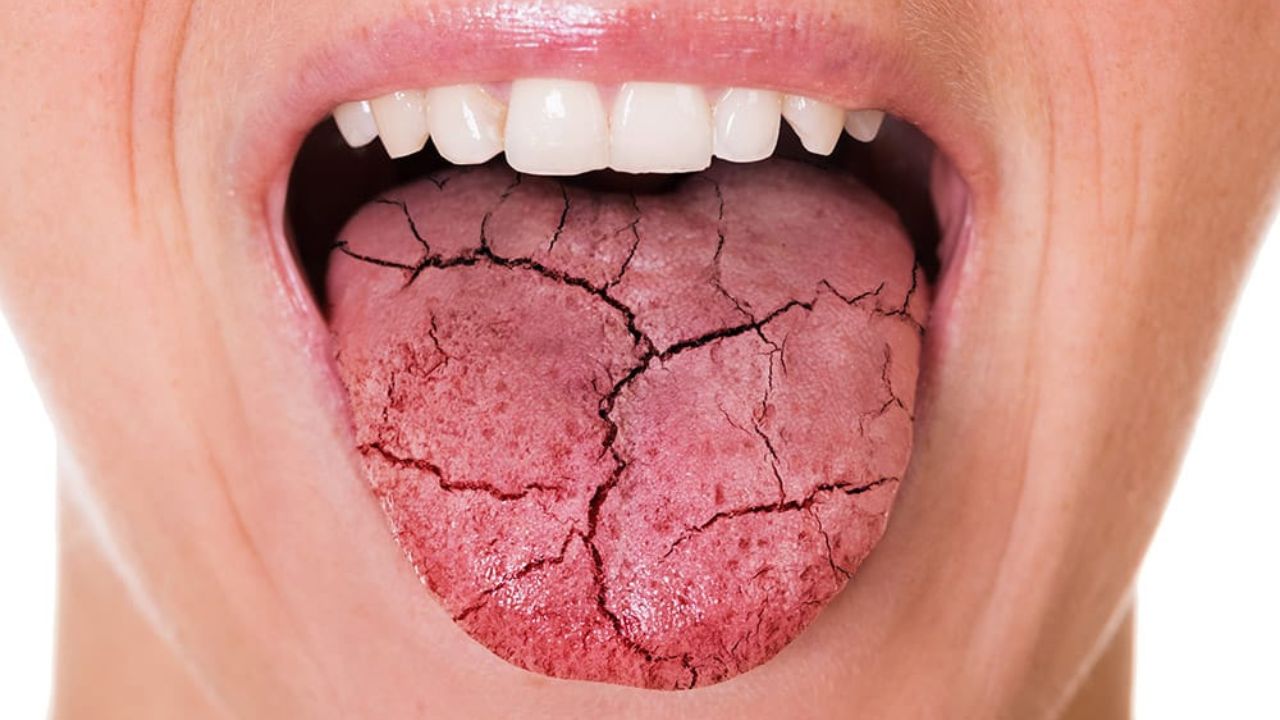
8. Bedroom Environment and Air Quality
Dry indoor air - especially from air conditioners, heaters, or fans - can pull moisture from the mouth and throat overnight.
This is especially common in:
-
Winter months with indoor heating
-
Very dry climates
-
Rooms with poor ventilation
Low humidity can worsen dry mouth even if hydration and breathing are otherwise normal.
Why Nighttime Dry Mouth Shouldn’t Be Ignored
Chronic dry mouth can lead to:
-
Increased risk of cavities and gum disease
-
Bad breath
-
Mouth sores or infections
-
Difficulty swallowing
-
Disturbed sleep
Saliva plays a vital role in protecting teeth, balancing oral bacteria, and keeping tissues healthy.
What You Can Do to Improve Nighttime Dry Mouth
-
Drink enough water throughout the day
-
Avoid caffeine and alcohol before bed
-
Use a humidifier in the bedroom
-
Practice nasal breathing and treat congestion
-
Review medications with a healthcare provider
-
Maintain good oral hygiene
-
Manage stress before sleep
When to See a Doctor or Dentist
You should seek medical advice if dry mouth:
-
Persists for weeks
-
Is accompanied by excessive thirst or frequent urination
-
Comes with mouth pain, sores, or infections
-
Interferes with sleep or daily life
These may indicate an underlying condition that needs treatment.
Final Thoughts
A dry mouth at night is often your body’s way of signaling imbalance - whether from dehydration, breathing habits, medications, or health
conditions. Paying attention to this symptom early can protect not only your sleep, but also your oral and overall health.
Sometimes, the smallest nighttime discomforts carry the most important messages.