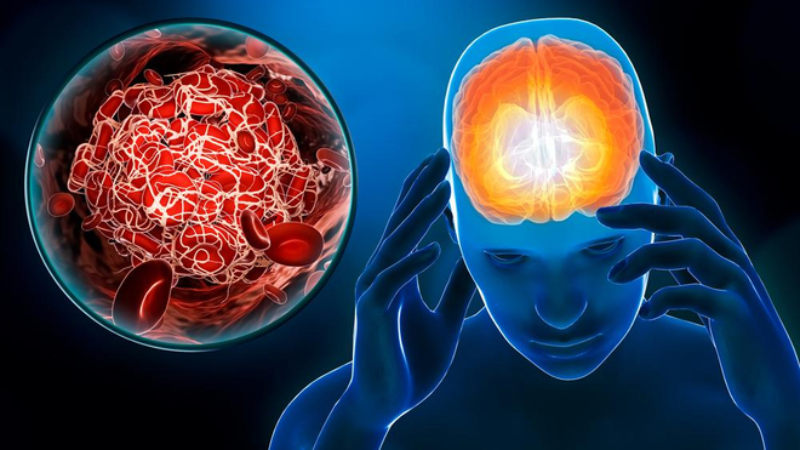
Stroke remains one of the leading causes of disability and death worldwide. While age, genetics, and existing medical conditions play
important roles, daily habits - especially those tied to eating and sleeping can significantly influence stroke risk. Small choices made
consistently can either protect blood vessels and the brain or quietly increase long-term danger.
Below are three things you should avoid after eating and four habits to avoid before bedtime if you want to support better circulation,
healthier blood pressure, and lower stroke risk.
Why Timing Matters for Stroke Prevention
After meals and during nighttime rest, the body undergoes major physiological shifts. Blood flow, digestion, heart rate, and blood pressure all
change. Poor habits during these periods can:
-
Increase blood pressure spikes
-
Promote blood clot formation
-
Disrupt circulation to the brain
-
Strain the heart and blood vessels
Understanding what not to do is just as important as knowing what to do.
3 Things to Avoid After Eating
1. Avoid Smoking Immediately After Meals
Smoking after eating is particularly harmful. Digestion already increases heart rate and blood flow, and nicotine further constricts blood
vessels while raising blood pressure.
Research suggests that smoking after meals:
-
Accelerates damage to blood vessel walls
-
Increases clotting risk
-
Reduces oxygen delivery to the brain
If quitting entirely is difficult, delaying smoking for at least 1–2 hours after meals can reduce some immediate harm - but complete
cessation offers the greatest protection.
2. Avoid Heavy Physical Exertion Right After Eating
Strenuous exercise immediately after meals forces the body to choose between digestion and muscle demand. This sudden shift can cause:
-
Blood pressure fluctuations
-
Dizziness or fainting
-
Increased cardiovascular strain
Gentle movement - such as a slow walk - is beneficial, but intense workouts should wait at least 60–90 minutes after eating.
3. Avoid Lying Down or Sleeping Right Away
Lying down too soon after eating can disrupt circulation and digestion. It may also worsen acid reflux, which is associated with inflammation
and stress responses in the body.
Instead:
-
Sit upright for 20–30 minutes
-
Take a short, relaxed walk
-
Allow digestion to begin before resting
Proper digestion reduces metabolic stress that can contribute to vascular problems over time.
4 Things to Avoid Before Bedtime
1. Avoid Eating Heavy or Salty Meals Late at Night
Late-night meals - especially those high in salt or fat - can raise nighttime blood pressure and increase fluid retention.
This may:
-
Prevent normal nighttime blood pressure dipping
-
Increase stroke and heart disease risk
-
Disrupt sleep quality
Aim to finish dinner at least 2–3 hours before bedtime, and keep evening meals light and balanced.
2. Avoid Excessive Screen Time Before Sleep
Prolonged exposure to phones, tablets, or televisions before bed interferes with melatonin production and sleep quality.
Poor sleep has been strongly linked to:
-
High blood pressure
-
Increased inflammation
-
Higher stroke risk
Try to reduce screen use 30–60 minutes before bedtime and replace it with calming activities like reading or stretching.
3. Avoid Alcohol Before Bed
While alcohol may initially make you feel sleepy, it actually disrupts deep sleep and can cause blood pressure fluctuations during the night.
Regular nighttime drinking can:
-
Raise stroke risk
-
Increase heart rhythm disturbances
-
Worsen sleep apnea
If you drink alcohol, do so in moderation and earlier in the evening, not right before sleep.
4. Avoid Going to Bed Angry, Stressed, or Anxious
Emotional stress is not just mental - it has physical consequences. Stress before sleep triggers adrenaline and cortisol release, raising heart
rate and blood pressure.
Chronic nighttime stress can:
-
Prevent vascular recovery
-
Increase clotting tendency
-
Elevate long-term stroke risk
Simple stress-reduction habits include:
-
Deep breathing
-
Light stretching
-
Meditation or prayer
-
Listening to calming music
Additional Habits That Lower Stroke Risk
While avoiding harmful behaviors is essential, stroke prevention works best when combined with positive daily practices:
-
Maintain a balanced, low-sodium diet
-
Stay physically active throughout the day
-
Monitor blood pressure and blood sugar
-
Sleep 7–8 hours consistently
-
Avoid smoking entirely
Final Thoughts
Stroke prevention is not about dramatic changes - it’s about consistent, mindful habits, especially during vulnerable times like after meals
and before sleep. What you avoid can be just as powerful as what you add.
By protecting digestion, circulation, emotional balance, and sleep quality, you give your brain and blood vessels the conditions they need to
stay resilient - today and for years to come.