At 22 years old, he was everything most people associate with good health. He exercised regularly, rarely got sick, and had no chronic
conditions. He didn’t smoke, barely drank, and had no reason to think his body was hiding anything serious. That’s why the diagnosis came as
such a shock.
He had tuberculosis.
Not the version many people imagine from history books, but active, potentially dangerous tuberculosis—identified only because of a
subtle symptom that most people would have ignored.
The Symptom That Didn’t Seem Worth Worrying About
It started quietly. A persistent cough that lingered longer than expected.
There was no high fever. No dramatic weight loss at first. No chest pain that screamed “emergency.” Just a cough that refused to go away.
Some days it felt better. Other days it returned, dry and irritating. He assumed it was allergies, a mild infection, or irritation from cold air.
Weeks passed.
Then came occasional night sweats - nothing extreme, just enough to wake him up feeling uncomfortable. He brushed it off as stress or
warm weather. He was busy, young, and otherwise fine.
What finally pushed him to see a doctor was not pain, but duration. The cough had lasted over a month.
That decision likely saved lives - his and others’.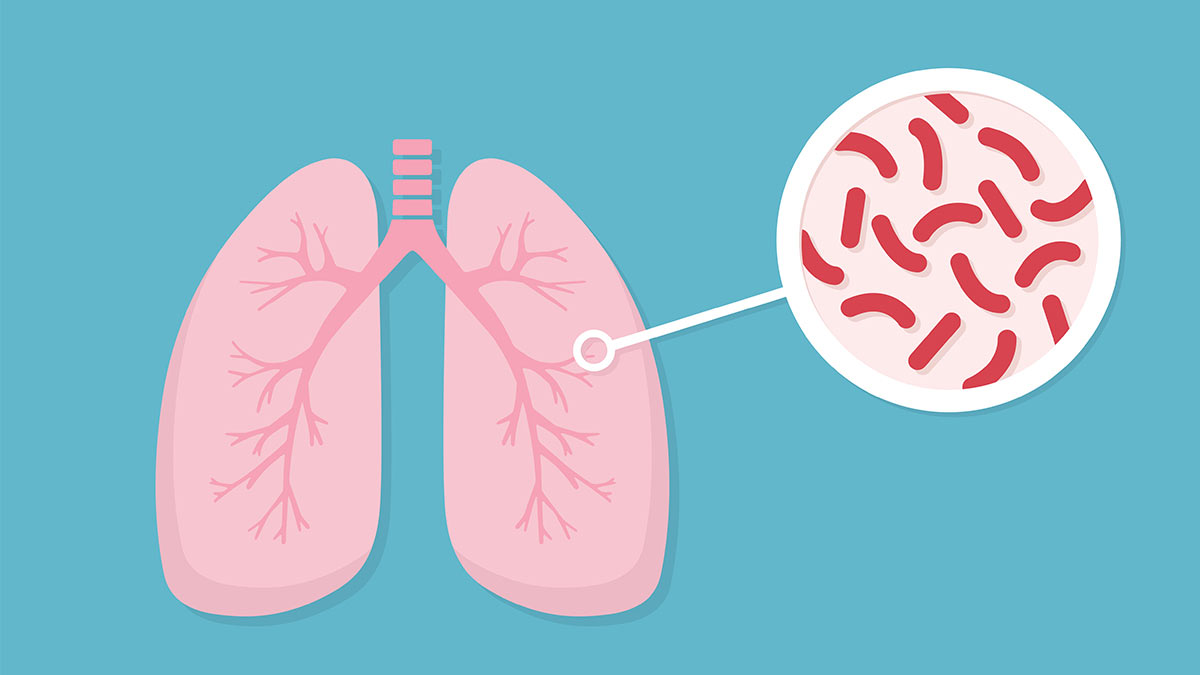
The Unexpected Diagnosis
A routine chest X-ray revealed abnormalities in his lungs. Further testing confirmed pulmonary tuberculosis, an infectious disease caused by
Mycobacterium tuberculosis.
The diagnosis stunned him.
Tuberculosis is often associated with:
-
Older age
-
Poor living conditions
-
Malnutrition
-
Weakened immune systems
He didn’t fit any of those categories.
But tuberculosis doesn’t always follow stereotypes.
Why Tuberculosis Is Often Missed in Young, Healthy People
Many people assume tuberculosis is rare or outdated. In reality, it still affects millions worldwide every year—and early symptoms are often
subtle.
Common early signs include:
-
A cough lasting more than 2–3 weeks
-
Mild fatigue
-
Night sweats
-
Low-grade fever
-
Slight, unexplained weight loss
Because these symptoms overlap with common illnesses, they are frequently ignored—especially in young adults who feel otherwise strong.
In this case, the man continued working, socializing, and commuting while unknowingly carrying an airborne infection.
The Hidden Danger of Ignoring Mild Symptoms
Tuberculosis spreads through microscopic droplets released when an infected person coughs, speaks, or breathes in close quarters. One
untreated person can infect multiple people over time.
Doctors explained that if he had waited longer:
-
Lung damage could have become severe
-
Treatment would have been longer and more difficult
-
He could have unknowingly infected family, coworkers, or strangers
Early detection made a critical difference.

Treatment and Recovery
Treatment for tuberculosis is not quick. The man was placed on a multi-drug antibiotic regimen lasting several months. During the early
phase, he had to isolate to prevent spreading the infection.
The medications caused side effects:
-
Fatigue
-
Nausea
-
Appetite changes
But because the disease was caught relatively early, his prognosis was good. Follow-up scans showed gradual improvement, and doctors
expect a full recovery.
The Lesson Many People Need to Hear
This case highlights an uncomfortable truth:
Being young and healthy does not make you immune to serious disease.
Tuberculosis does not always arrive loudly. Sometimes it whispers.
A lingering cough. Unexplained night sweats. Fatigue that doesn’t match your lifestyle.
These signs are easy to dismiss - until they aren’t.
When Should You Get Checked?
Medical professionals recommend seeing a doctor if you experience:
-
A cough lasting longer than 2–3 weeks
-
Night sweats without a clear cause
-
Persistent fatigue
-
Unexplained weight loss
-
Coughing up blood (even small amounts)
These symptoms don’t automatically mean tuberculosis - but they do mean your body is asking for attention.
Final Thoughts
The 22-year-old man didn’t think he was at risk. Most people wouldn’t. That’s exactly why this story matters.
Tuberculosis remains dangerous not because it’s aggressive at first - but because it’s easy to ignore. Awareness, not fear, is the real protection.
Sometimes, the smallest symptoms are the body’s loudest warnings.