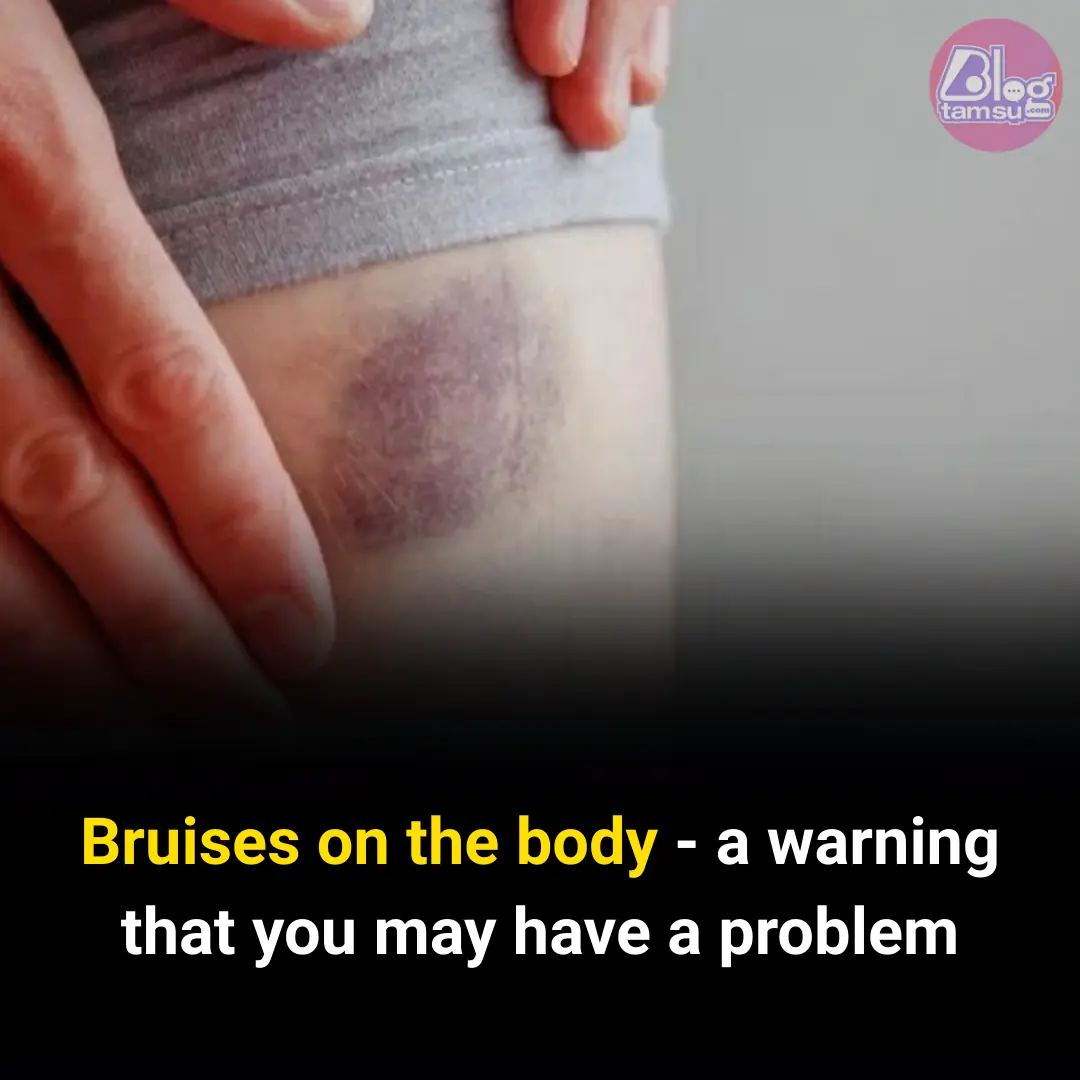
Many people tend to ignore frequent, unexplained bruises that appear on their arms, legs, or thighs. However, from a medical perspective, the repeated appearance of bruises without any clear cause can be a warning sign of underlying health issues.
Bruises Can Heal on Their Own — or Indicate a Serious Condition
What is bruising or bleeding under the skin?
Bruising or subcutaneous bleeding is usually a common skin injury or the result of ruptured blood vessels that carry blood between the heart, tissues, and organs. When these vessels are damaged or weakened, red blood cells leak out of the vessel walls and break down, forming dark blue, purple, or yellow patches on the skin — medically known as subcutaneous hemorrhage.
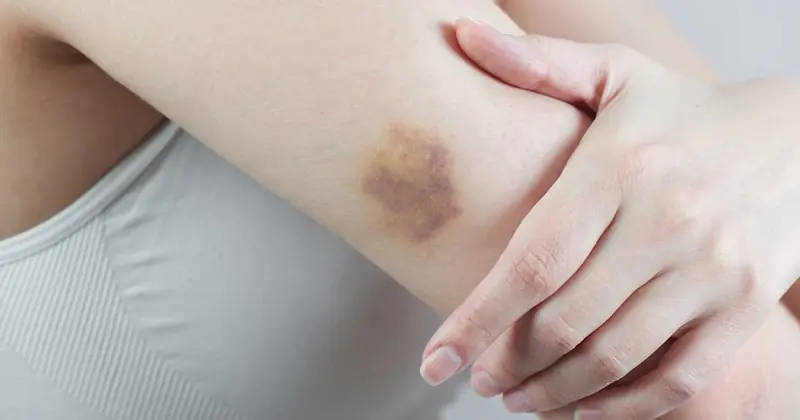
Normal bruising: Most bruises or skin hemorrhages are harmless. They appear occasionally, fade within a week or two, and heal on their own without treatment. The color of the bruise changes over time (from red → purple-blue → yellow → pale → disappears without leaving scars).
Abnormal bruising: However, if bruises appear frequently, persist, recur, or show up in unusual places such as the back or chest — especially if accompanied by symptoms like weight loss, fatigue, fever, thirst, poor appetite, muscle or joint pain, swollen lymph nodes, or general weakness — it can indicate something more serious. You should see a hematologist as soon as possible to identify the underlying cause.
What Can Frequent or Unusual Bruising Indicate?
At the Department of Clinical Hematology, Thai Binh General Hospital, many patients have been diagnosed with serious illnesses after coming in due to recurrent or unexplained bruises, such as:
1. Leukemia (Blood Cancer)
One of the earliest signs of leukemia is frequent bruising due to a drop in platelet count — the blood cells responsible for clotting. Abnormal blood production leads to the creation of cancerous cells that multiply rapidly, crowding out healthy ones. If left undetected and untreated, the condition can become life-threatening.
2. Blood Clotting Disorders (Coagulation Problems)
-
Congenital coagulation disorders (Hemophilia): Characterized by bruising in muscles and joints. Without early diagnosis and treatment, patients can suffer from muscle atrophy or joint stiffness. This condition requires lifelong monitoring and treatment at specialized facilities.
-
Acquired coagulation disorders: These occur due to direct or indirect poisoning from chemicals such as pesticides, rat poison, or unregulated herbal medicines. Such toxins damage the liver — the organ that produces clotting factors — leading to easy bruising and spontaneous bleeding.
3. Thrombocytopenia (Low Platelet Count)
Bruising can result from a decrease in the number or function of platelets, seen in immune thrombocytopenic purpura (ITP), congenital platelet dysfunction, bone marrow failure, or bone marrow suppression.
4. Thrombocytopenia During Pregnancy
This condition often affects pregnant women with a history of miscarriage or stillbirth. If not detected early, it can cause miscarriage or dangerous complications during labor, such as postpartum hemorrhage or amniotic embolism.
Many pregnant women focus only on ultrasounds and overlook early warning signs like unusual bruising — failing to get blood tests that could detect clotting disorders in time. As a result, most cases diagnosed at the hematology department are already severe and pose risks to both mother and baby.
5. Other Possible Causes
Other diseases associated with abnormal bruising include:
-
Advanced diabetes
-
Cirrhosis or acute liver failure
-
Kidney failure
-
Cushing’s syndrome (from prolonged steroid use)
-
Metastatic cancer
-
Dengue fever or viral infections
-
Uterine fibroids causing prolonged menstrual bleeding and anemia
What Should You Do If You Notice Bruising?
The severity of bruising varies. For mild, occasional bruises, you can manage them at home using simple methods:
Cold compress: Apply an ice pack or chilled water bottle gently on the bruised area for 10 minutes at a time, within the first 48 hours. Do not apply heat during this period — warm compresses should only be used after 48 hours if no new bleeding occurs.
Elevate the affected limb: Keep the bruised arm or leg raised above heart level to improve blood circulation during the first two days.
Pain relief: Use mild painkillers such as paracetamol or alpha-chymotrypsin to reduce swelling. Avoid medications like aspirin, ibuprofen, or corticosteroids, as they can worsen bleeding.
Nutrition: Maintain a balanced diet rich in vitamins and minerals.
Collagen supplements: For those over 25 years old, collagen can be taken every 3–6 months to support skin and vessel health.
⚠️ In summary
While most bruises are harmless, frequent, unexplained, or widespread bruising can be an early sign of serious blood or systemic disorders. Pay attention to your body, and don’t ignore what it’s trying to tell you — timely medical check-ups can make all the difference between early treatment and dangerous complications.