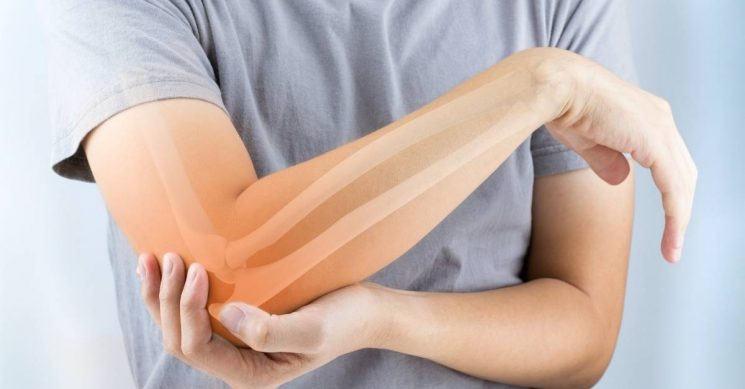
Calcium is one of the most essential minerals in the human body. It strengthens bones and teeth, supports muscle function, regulates
heartbeat, and even plays a role in nerve signaling. But while most people focus on how to increase calcium intake, very few realize that
certain everyday foods and ingredients can actually pull calcium out of your bones - quietly and gradually.
Over time, this invisible calcium loss can lead to:
-
Weak bones
-
Increased fracture risk
-
Tooth problems
-
Muscle cramps
-
Osteoporosis
-
Fatigue and nerve dysfunction
Understanding which foods contribute to this issue helps you protect your long-term bone health.
Here are six common foods that silently drain calcium from your body, and what you can do instead.
1. Salty Foods and Excess Sodium
Salt is one of the biggest hidden culprits behind calcium loss. When you consume too much sodium, your kidneys work harder to remove the excess - and along with that, they also excrete more calcium through urine.
Foods high in sodium include:
-
Fast food
-
Packaged snacks
-
Processed meats (ham, bacon, sausage)
-
Instant noodles
-
Frozen meals
-
Salted nuts and chips
Why it drains calcium:
Every extra 1,000 mg of sodium you eat can cause your body to lose approximately 20–40 mg of calcium.
Healthier alternative:
Choose fresh, unprocessed food, season with herbs instead of salt, and check nutrition labels for hidden sodium.
2. Soft Drinks (Especially Cola)
Soft drinks - especially dark colas - contain phosphoric acid, a compound strongly linked to lower bone density.
Why it drains calcium:
When phosphate levels rise too high, the body tries to balance them by pulling calcium from the bones.
Additional risks:
-
Soda replaces healthier drinks like milk
-
High sugar intake increases inflammation
-
Caffeine in cola increases calcium loss in urine
Better alternative:
Replace soda with:
-
Sparkling water
-
Herbal tea
-
Coconut water
-
Infused fruit water
:quality(75)/uong_Coca_co_tot_khong_57b0f440a7.jpg)
3. Caffeine in Excess
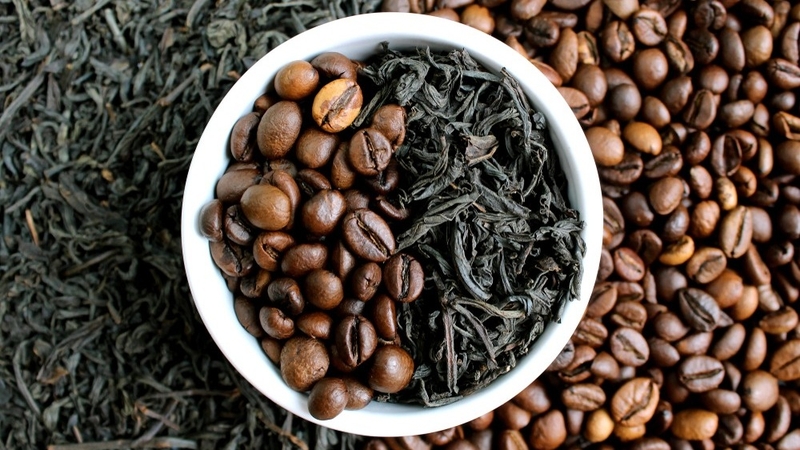
Moderate caffeine is fine, but too much coffee or energy drinks can interfere with calcium absorption.
Why it drains calcium:
Caffeine increases calcium excretion in urine.
For every cup of coffee (about 150–200 mg caffeine), you lose approximately 4–6 mg of calcium.
High-caffeine sources:
-
Coffee
-
Energy drinks
-
Pre-workout supplements
-
Strong black tea
Better alternative:
Limit caffeine to 300 mg per day, pair your coffee with milk, or switch to green tea.
4. Alcohol
Alcohol interferes with several systems that regulate calcium balance.
How alcohol drains calcium:
-
Weakens vitamin D absorption
-
Damages the pancreas (reducing digestion and nutrient uptake)
-
Interrupts estrogen and testosterone levels (hormones that protect bones)
-
Makes kidneys filter out more calcium
Risks from long-term heavy drinking:
-
Higher bone fracture rates
-
Osteoporosis
-
Delayed healing
Better alternative:
Limit alcohol to:
-
1 drink/day for women
-
2 drinks/day for men
Or choose alcohol-free alternatives.
5. Processed and Packaged Foods
Many processed foods contain:
-
Artificial additives
-
Preservatives
-
Excess salt
-
High phosphorus levels
These compounds disrupt calcium absorption and accelerate bone weakening.
Examples include:
-
Instant meals
-
Packaged bakery items
-
Processed cheese slices
-
Synthetic creamers
-
Packaged sauces
Why it drains calcium:
The chemical additives increase acid load in the body, forcing calcium to buffer the acidity — pulling it from bones.
Better alternative:
Choose whole foods:
-
Fresh produce
-
Lean protein
-
Whole grains
-
Fresh cheese instead of processed cheese
6. Foods Extremely High in Oxalates
Oxalates bind to calcium in the digestive tract, preventing your body from absorbing it.
Common high-oxalate foods:
-
Spinach
-
Beet greens
-
Swiss chard
-
Rhubarb
-
Almonds (in excess)
-
Soy products
-
Chocolate
Eating these foods is not harmful - but consuming them without calcium sources can block absorption.
Better alternative:
Pair oxalate-rich foods with:
-
Dairy products
-
Calcium-fortified milk
-
Yogurt
-
Tofu with calcium sulfate
This helps prevent calcium loss.
How to Protect Your Calcium Levels
Here are scientifically supported habits to maintain strong bones:
1. Eat calcium-rich foods daily
-
Dairy (milk, yogurt, cheese)
-
Sardines
-
Leafy greens
-
Sesame seeds
-
Almonds (in moderation)
-
Calcium-fortified oat or soy milk
2. Get enough vitamin D
Sunlight + foods like:
-
Eggs
-
Salmon
-
Mushrooms
-
Fortified foods
Vitamin D is essential for absorbing calcium properly.
3. Exercise regularly
Especially weight-bearing workouts:
-
Walking
-
Jump rope
-
Squats
-
Strength training
These stimulate bone growth.
4. Manage sodium intake
Aim for less than 2,300 mg of sodium per day.
5. Reduce sugar consumption
High sugar increases calcium excretion and inflammation.
6. Stop smoking
Nicotine weakens bone formation and reduces calcium absorption.
Conclusion
Calcium loss silently affects millions of people - often without symptoms until bone weakness becomes severe. While calcium-rich foods are
important, it is equally essential to avoid the foods that steal calcium from your bones. Excess salt, soda, caffeine, alcohol, processed foods,
and high-oxalate foods can all disrupt the delicate balance your bones need to stay strong.
With smarter food choices, proper supplementation when needed, and healthy lifestyle habits, you can protect your bones, support long-term
mobility, and maintain mineral balance throughout your life.