Cold hands and feet are a common complaint. For some people, it happens only in winter. For others, it occurs year-round - even in warm
environments. While occasional cold extremities are usually harmless, persistent or frequent cold hands and feet can signal underlying
health issues related to circulation, metabolism, nerves, or hormones.
Understanding what your body may be telling you can help you decide when it’s normal and when it deserves attention.
1. Poor Blood Circulation
The most common reason for cold hands and feet is reduced blood flow to the extremities.
When circulation is weak, the body prioritizes vital organs like the heart and brain, sending less warm blood to the hands and feet. This can happen due to:
-
Sedentary lifestyle or prolonged sitting
-
Narrowed or stiff blood vessels
-
Smoking, which constricts blood vessels
People with poor circulation may also notice numbness, tingling, or pale skin in their fingers or toes.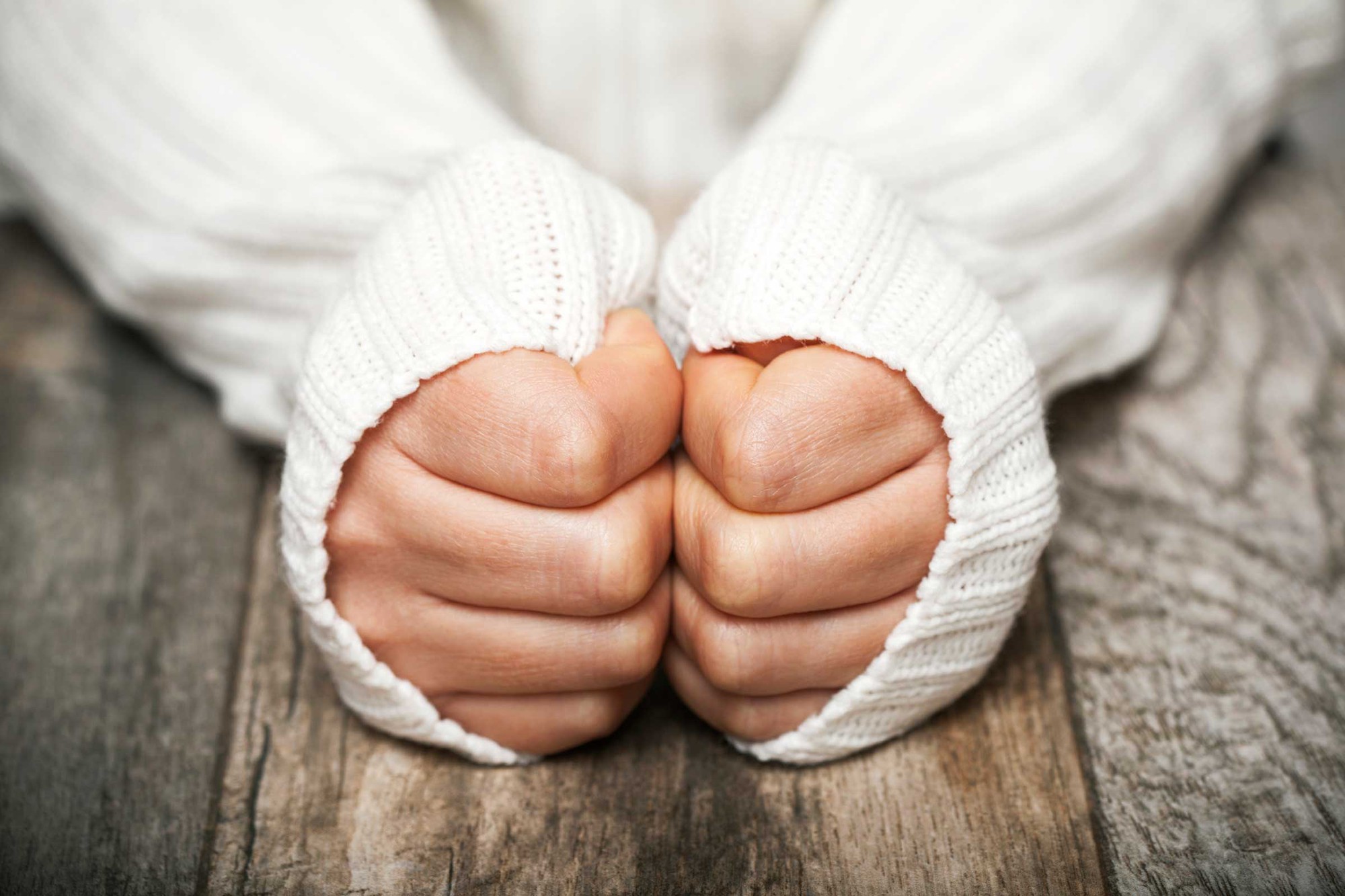
2. Low Blood Pressure
Low blood pressure can reduce the force needed to push blood to the farthest parts of the body.
When blood pressure is low:
-
Hands and feet may feel cold or clammy
-
Dizziness or lightheadedness may occur
-
Fatigue is common
This is especially noticeable when standing up quickly or during long periods without movement.
3. Anemia (Low Iron Levels)
Iron-deficiency anemia is a frequent but often overlooked cause of cold hands and feet.
Iron is essential for producing hemoglobin, which carries oxygen in the blood. When oxygen delivery is reduced:
-
Extremities cool down faster
-
Fatigue and weakness increase
-
Skin may appear pale
Anemia is more common in women, vegetarians, people with heavy menstrual bleeding, and those with poor nutrient absorption.
4. Thyroid Disorders (Especially Hypothyroidism)
The thyroid gland controls metabolism and heat production. When it’s underactive, the body produces less heat overall.
Symptoms of hypothyroidism often include:
-
Constant feeling of cold
-
Cold hands and feet
-
Weight gain
-
Dry skin and hair
-
Sluggishness or low energy
If cold sensitivity is persistent and paired with these symptoms, thyroid testing may be needed.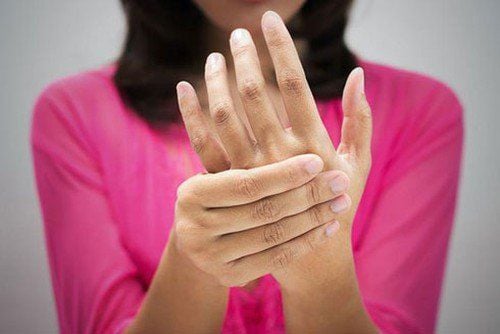
5. Raynaud’s Phenomenon
Raynaud’s phenomenon is a condition where small blood vessels overreact to cold or stress, causing sudden narrowing.
During an episode:
-
Fingers or toes may turn white or blue
-
They may feel numb, cold, or painful
-
Normal color returns once warmed
Raynaud’s can occur on its own or be linked to autoimmune conditions.
6. Chronic Stress and Anxiety
Stress activates the body’s “fight or flight” response, causing blood vessels to constrict.
When stress becomes chronic:
-
Blood flow to hands and feet decreases
-
Extremities feel cold even in warm rooms
-
Muscles remain tense
Emotional stress can therefore cause very real physical symptoms.
7. Poor Nutrition or Low Body Fat
Inadequate calorie intake or low body fat reduces the body’s ability to retain heat.
This is often seen in:
-
People with restrictive diets
-
Eating disorders
-
Extremely low body weight
The body conserves heat for vital organs, leaving hands and feet colder.
8. Nerve Issues (Peripheral Neuropathy)
Nerve damage can alter how temperature is perceived.
People with nerve-related conditions may experience:
-
Cold sensations without actual temperature change
-
Tingling, burning, or numbness
-
Reduced sensitivity to touch
This is sometimes associated with diabetes or vitamin deficiencies.
9. Dehydration
Blood volume decreases when the body is dehydrated, reducing circulation efficiency.
Even mild dehydration can lead to:
-
Poor temperature regulation
-
Cold extremities
-
Fatigue
Staying well hydrated helps maintain proper blood flow.
When Cold Hands and Feet Are Usually Normal
Cold hands and feet are often harmless when:
-
They occur mainly in cold weather
-
They improve with warmth or movement
-
There are no other symptoms
Some people naturally have more sensitive circulation.
When You Should See a Doctor
Medical evaluation is recommended if cold hands and feet are:
-
Persistent or worsening
-
Accompanied by pain, numbness, or color changes
-
Paired with fatigue, weight changes, or hair loss
-
Interfering with daily life
These may indicate an underlying condition that needs treatment.
What You Can Do to Improve Warmth and Circulation
-
Stay physically active to improve blood flow
-
Dress warmly and layer clothing
-
Manage stress through relaxation techniques
-
Eat balanced meals rich in iron, protein, and healthy fats
-
Avoid smoking
-
Stay hydrated
Final Thoughts
Cold hands and feet are not always just a reaction to the weather. In many cases, they are signals from your body about circulation,
metabolism, or overall health.
Paying attention to these small signs and responding early can help prevent bigger problems later. Sometimes, warmth begins not with
gloves or socks, but with understanding what your body truly needs.