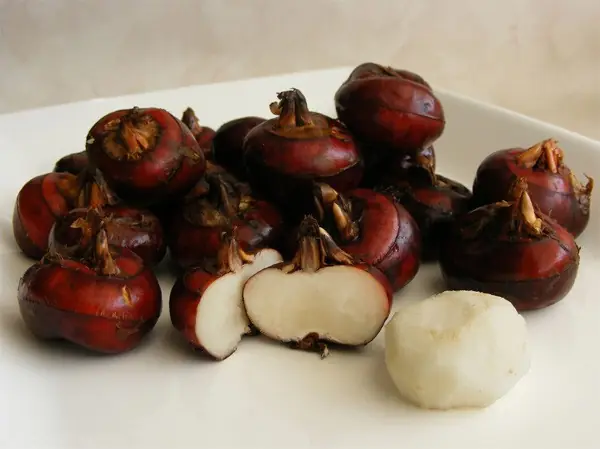
Not all fruits and vegetables have edible skins. If you maintain the habit of eating peels indiscriminately, consuming the peels of some fruits and vegetables can be harmful to your health.
-
8 superfoods that prevent cancer better than medicine
-
Cabbage: Amazing benefits you should know
-
Foods that help relieve headaches and fatigue
Potatoes: Potato skins contain glycoalkaloids – a substance that can accumulate in the body and cause food poisoning if consumed in large amounts.
Which fruits and vegetables should not be eaten with their skins?
1. Cassava: Cassava contains a high amount of cyanogenic acid – a toxic compound – mostly concentrated in the peel. Therefore, when preparing cassava, the peel should be removed, and the roots should be soaked in water before boiling.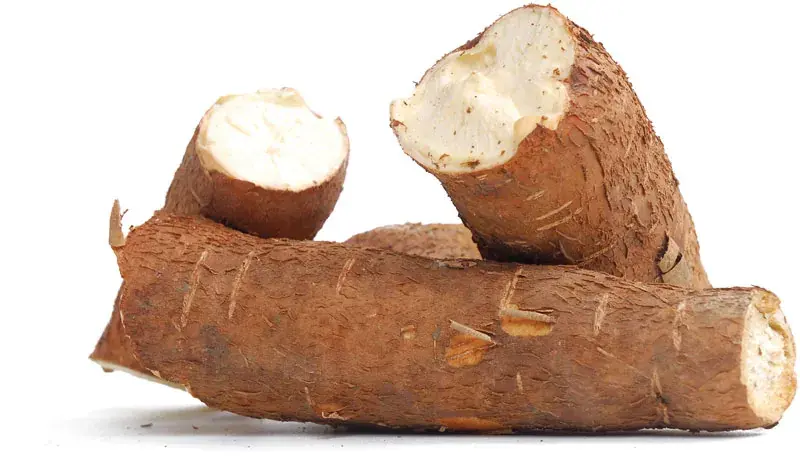
2. Tomatoes: Tomato skins are indigestible. Before cooking, it is necessary to remove all the skin.
3. Sweet potatoes: Sweet potatoes are often in direct contact with soil, and their skin absorbs nutrients as well as some harmful substances. The skin of sweet potatoes also contains a high amount of zinc, which can cause digestive disorders, liver issues, or even poisoning if consumed in large quantities.
4. Taro: Taro is grown in flooded fields. Therefore, its skin contains many harmful substances and chemical fertilizers. Additionally, taro skin may harbor parasites.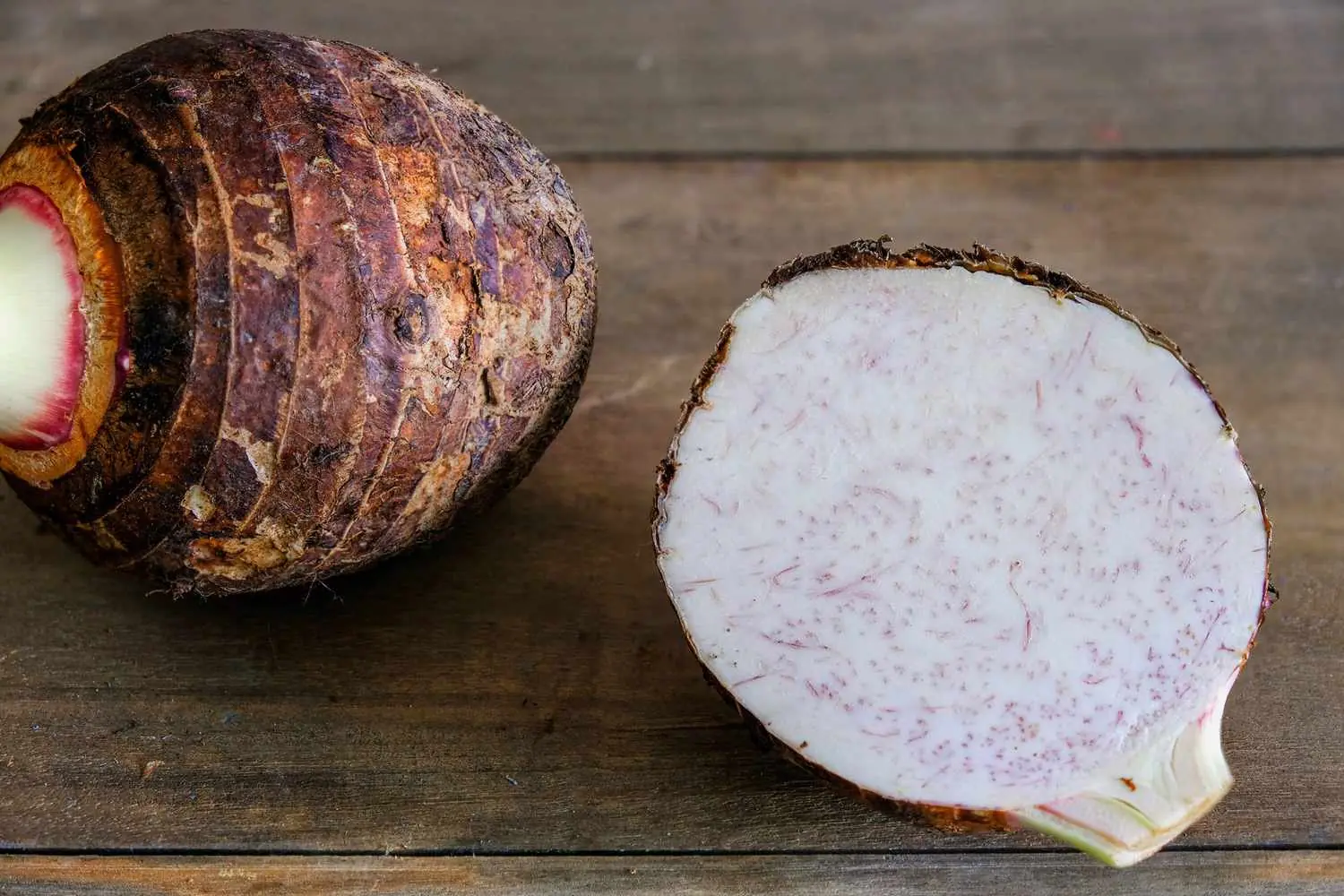
5. Persimmons: Unripe persimmons contain concentrated tannic acid in the flesh. When the fruit ripens, the tannic acid moves toward the skin. Eating the whole skin can cause tannic acid to chemically react with proteins in the stomach, leading to bloating, indigestion, or even constipation.