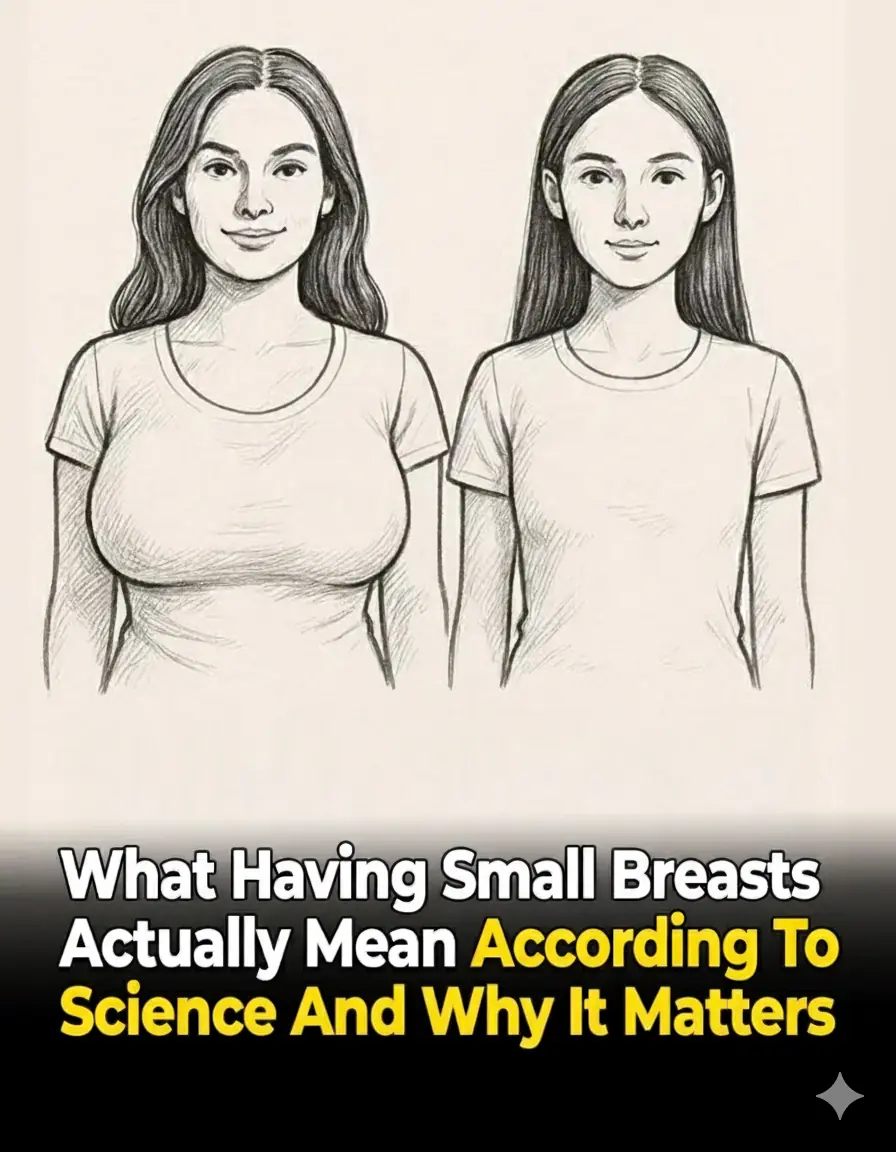
Body diversity is a biological fact, not a flaw and science increasingly supports the idea that small breasts come with real, practical
advantages. Beyond cultural trends and fashion cycles, research in biomechanics, health, ergonomics, and psychology highlights many
benefits that are often overlooked. Here are 13 evidence-based reasons why small breasts are not only normal, but genuinely advantageous.
1. Less Strain on the Spine and Neck
Biomechanical studies show that additional anterior weight increases stress on the cervical and thoracic spine. Smaller breasts reduce forward
load, which is associated with lower rates of chronic neck, shoulder, and upper-back pain.
2. Better Posture Over Time
Postural research indicates that excess chest weight can encourage rounded shoulders and spinal compensation. With less weight pulling
forward, individuals with small breasts often maintain more neutral spinal alignment with less muscular fatigue.
3. Easier, More Comfortable Physical Activity
Sports science consistently finds that breast mass affects movement efficiency. Smaller breasts experience less vertical and lateral
displacement during activity, making running, jumping, and high-impact sports more comfortable—and often reducing the need for
restrictive support garments.
4. Lower Risk of Exercise-Related Breast Pain
Clinical studies report that breast pain during exercise correlates with breast volume and movement. Smaller breasts are associated with
significantly lower rates of exercise-induced discomfort, improving participation and consistency in physical activity.
5. Fewer Skin and Soft-Tissue Issues
Dermatological research shows that larger skin folds can increase moisture retention and friction. Smaller breasts are linked to lower risk of
skin irritation, rashes, and fungal infections beneath the breast area.
6. Reduced Need for Specialized Support Wear
From an ergonomic perspective, heavy breast tissue often requires structured bras that can restrict breathing or cause pressure marks. Smaller
breasts typically allow for lighter, less constrictive support, improving daily comfort.
7. Long-Term Shape Stability
Gravity affects all soft tissue, but tissue mass matters. Smaller breasts experience less gravitational strain on ligaments, which may
contribute to maintaining shape over time without surgical intervention.
8. Greater Thermoregulation Comfort
Human thermoregulation depends on airflow and heat dissipation. Reduced tissue mass allows better ventilation and less heat trapping,
which can be especially noticeable in warm climates or during physical exertion.
9. Lower Incidence of Certain Musculoskeletal Complaints
Orthopedic research links larger anterior body mass to compensatory muscle overuse. Smaller breasts are associated with lower prevalence
of tension headaches, shoulder grooving, and trapezius strain.
10. Clothing Fit and Ergonomic Ease
From a design and ergonomics standpoint, standard clothing patterns tend to accommodate smaller bust measurements more easily. This
often results in better garment fit without alterations, improving comfort and mobility.
11. Less Medical Intervention for Physical Discomfort
Breast reduction surgery is commonly performed to address pain and functional limitations. Individuals with small breasts typically avoid
these medically driven procedures, reducing surgical risk and recovery burden.
12. Neutral Impact on Health and Longevity
Large population studies show no health advantage to larger breast size in terms of fertility, hormone balance, or lifespan. Breast size is
largely independent of overall health outcomes, reinforcing that small breasts are biologically normal and sufficient.
13. Psychological Well-Being Linked to Comfort and Autonomy
Psychological research emphasizes that body satisfaction is closely tied to physical comfort and functional freedom. Many people with small
breasts report greater ease in movement, clothing choice, and daily activity, which can positively influence confidence and body image.
The Bigger Picture
Science doesn’t rank bodies - it explains them. Small breasts are not a limitation, a deficiency, or something to “balance out.” They are simply
one of many healthy human variations, with tangible benefits supported by biomechanics, physiology, and ergonomics.
Trends will always change. Biology does not.
And when you look at the evidence, one thing becomes clear: small breasts aren’t just beautiful - they’re practical, resilient, and perfectly
designed for the body that carries them.