A biceps tendon rupture changes the way a muscle is attached to the skeleton.
If the tendon tears, the muscle may retract and create a visible bulge.
The injury may also produce pain, bruising, swelling, and weakness.
It is a structural problem involving the musculoskeletal system.
The finger image shows a temporary physiological response
Water-induced finger wrinkling involves changes in the small blood vessels beneath the skin and the activity of the sympathetic nervous system.
It does not mean that a tendon has torn or that a muscle has moved out of position.
The effect usually fades after the fingers are removed from water and allowed to dry.
Why online photographs can be misleading
A photograph freezes one moment in time.
It cannot show how long a symptom has been present, whether it is painful, whether it changes with movement, or whether the person has other medical conditions.
The lighting and camera angle can also make normal variations in skin color or muscle shape appear more dramatic.
For the arm image, the photograph does not reveal the precise tendon involved, the severity of the tear, or whether the person underwent medical treatment.
For the finger image, the photograph does not establish how long the fingers were exposed to water or whether another factor contributed to their appearance.
The images can illustrate possible conditions, but they cannot replace a diagnosis.
Could the fingers indicate a circulation problem?
Persistent pale, blue, or purple fingers are different from the temporary wrinkling that commonly follows water exposure.
If fingers remain unusually discolored after drying, particularly when accompanied by pain, coldness, numbness, weakness, or sudden changes in sensation, medical assessment is appropriate.
Some circulation-related conditions can cause changes in finger color, especially in response to cold or stress.
However, a single photograph cannot establish whether such a condition is present.
The safest approach is to consider the person's symptoms and the duration of the change rather than relying on appearance alone.
The importance of context
The same visible feature can have different explanations depending on the circumstances.
A wrinkled fingertip after a long bath is usually a normal response.
A persistently discolored finger that is painful and cold deserves more attention.
A biceps bulge that has been present for years may have a different explanation from a bulge that appeared immediately after a sudden painful movement.
Context is essential in medicine.
Chapter 11: What People Should Do If They Notice a Similar Arm Injury
A person who suddenly develops a visible change in the shape of the biceps should not assume that it is harmless simply because the pain becomes less intense.
A tendon injury may continue to affect strength even after the initial discomfort improves.
Stop the activity that caused the pain
If a sudden sharp pain occurs during stretching, lifting, or exercise, stop the movement.
Do not repeatedly contract the muscle to see whether the bulge changes.
Do not attempt to force the elbow or shoulder through a painful range of motion.
Continuing to load the injured arm may aggravate the problem.
Arrange a medical assessment
A clinician can examine the arm and determine whether the symptoms suggest a tendon rupture, muscle injury, fracture, or another condition.
The assessment is particularly important if there is a new deformity, significant bruising, swelling, or loss of strength.
If the person cannot use the arm normally, medical evaluation should not be delayed.
Avoid testing the injury with heavy lifting
Some people may try to determine whether their biceps is still working by lifting a heavy object.
This is not a safe diagnostic method.
A person can sometimes move the arm despite a tendon rupture, and the ability to lift a light object does not rule out a serious injury.
Strength testing should be performed by a qualified clinician.
Do not assume that pain relief means the tendon has healed
Pain may become less intense after the initial injury.
But a completely torn tendon does not automatically reconnect simply because the discomfort has improved.
The person may still have weakness or altered muscle mechanics.
A medical examination can help determine whether the tendon is intact and whether treatment is needed.
Follow the rehabilitation plan
If the diagnosis is confirmed, the patient should follow the recommended activity restrictions and rehabilitation program.
The plan may include physical therapy, gradual strengthening, or surgical recovery.
Trying to accelerate the process by lifting too early can interfere with healing.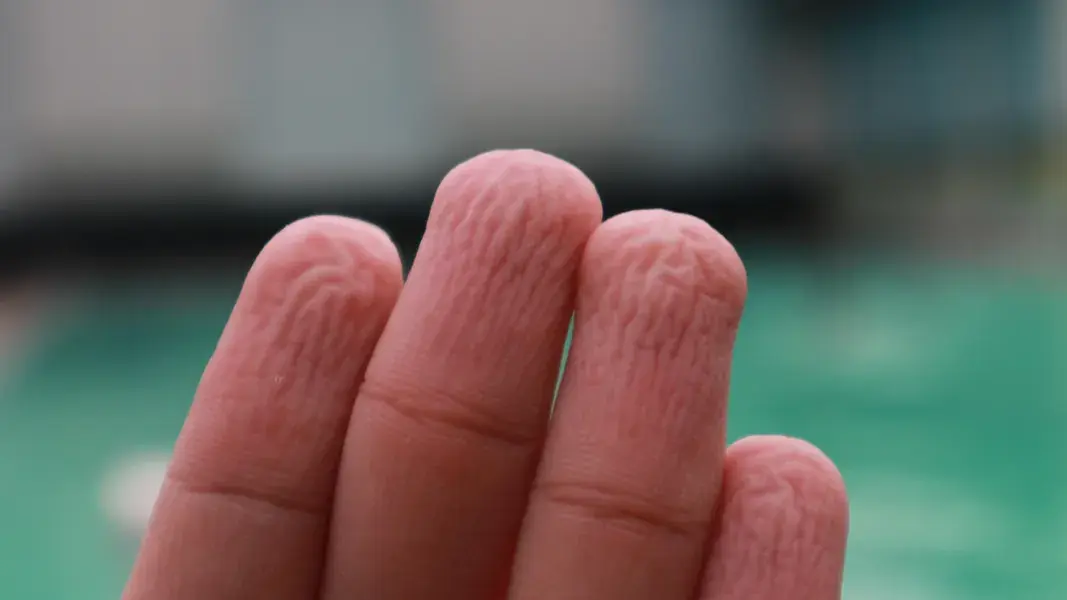
Chapter 12: How to Protect Your Tendons as You Get Older
No routine can guarantee that a tendon will never tear.
However, sensible exercise habits and attention to persistent pain can help people maintain strength and reduce avoidable strain.
Build strength gradually
Resistance exercise can help maintain muscle strength and support everyday function.
The key is gradual progression.
People who have not exercised for a long time should not suddenly begin lifting heavy weights or performing demanding arm exercises.
Starting with manageable resistance and increasing it slowly gives the body time to adapt.
Warm up before demanding activity
A warm-up can prepare the body for more strenuous movement.
It may include gentle joint movement and light activity that gradually increases in intensity.
A warm-up does not make tendon injury impossible, but it can help people transition more comfortably into exercise.
Avoid forcing painful stretches
Stretching should generally feel controlled and comfortable.
Sharp pain is not a sign that an exercise is working.
If a stretch causes sudden pain, stop rather than forcing the arm farther.
People with shoulder or elbow problems should ask a physical therapist about appropriate movements.
Pay attention to repeated pain
Persistent pain around the shoulder or elbow may indicate an underlying problem.
It does not automatically mean that a tendon is about to rupture, but it deserves attention if it interferes with daily activities or continues despite reasonable changes in activity.
Early assessment may help identify tendon degeneration, inflammation, or other conditions before symptoms become more disruptive.
Be cautious with sudden heavy loads
Unexpectedly catching a falling object, lifting something much heavier than usual, or performing a forceful pulling movement can place substantial stress on the biceps.
When possible, use good lifting technique and ask for help with objects that are too heavy or awkward to handle safely.
Discuss relevant medical factors with a clinician
Some medical conditions and medications may affect tendon health.
For example, smoking is associated with poorer tendon health, and corticosteroid exposure can be relevant in certain cases.
People should not stop prescribed medication on their own. Instead, they should discuss potential risks and alternatives with their healthcare professional.
Maintain overall physical health
Regular activity, adequate nutrition, sleep, and management of chronic health conditions support general musculoskeletal health.
These habits do not eliminate the possibility of injury, but they contribute to the body's ability to maintain and repair tissues.
Final Chapter: The Real Explanation Behind the Man's Arm
The photograph of the older man with an unusual biceps shape is certainly striking. A sudden bulge can make an ordinary arm look dramatically different, particularly when the change happens after a movement as familiar as stretching.
The most likely explanation discussed in the accompanying report is a biceps tendon rupture, commonly associated with the Popeye deformity when the muscle retracts after a tendon tears near the shoulder.
But the exact diagnosis cannot be confirmed from the photograph alone. Doctors need to establish whether the injury involves the proximal or distal tendon, how severe the tear is, and whether other structures are affected.
That distinction matters because the treatment can range from activity modification and physical therapy to surgical repair.
The second photograph tells a different story. Deeply wrinkled fingertips are often the result of prolonged water exposure. This temporary response involves the sympathetic nervous system and constriction of small blood vessels beneath the skin. Research suggests that the resulting grooves may help people handle wet objects more efficiently, although the proposed evolutionary function is still being studied.
The two images therefore illustrate two very different processes: one involving a possible tendon injury, and the other involving a normal response of the skin and nervous system.
The most important message is not to panic when seeing an unusual body change—but not to dismiss it either. A sudden painful bulge in the arm, especially when accompanied by bruising or weakness, deserves medical attention. Fingers that wrinkle after a bath usually return to normal, but persistent discoloration, numbness, or pain should be assessed separately.
A photograph can raise an important question. Understanding the anatomy and physiology behind it is what helps provide a responsible answer.