Pharmacists Warn: Cracked Heels May Be More Than Just Dry Skin
Many people think cracked heels are simply a cosmetic issue caused by dry skin. While dryness is often the main reason, healthcare professionals, including pharmacists and dermatologists, explain that persistent cracked heels may sometimes signal deeper health concerns.
The skin on the heels is naturally thicker because it supports the body’s weight when walking and standing. However, when this skin becomes extremely dry, loses elasticity, or experiences repeated pressure, it can begin to split. These cracks can range from small surface fissures to deep painful breaks in the skin.
Although mild cracked heels are common and often harmless, experts say that certain patterns or symptoms may indicate underlying conditions that should not be ignored.


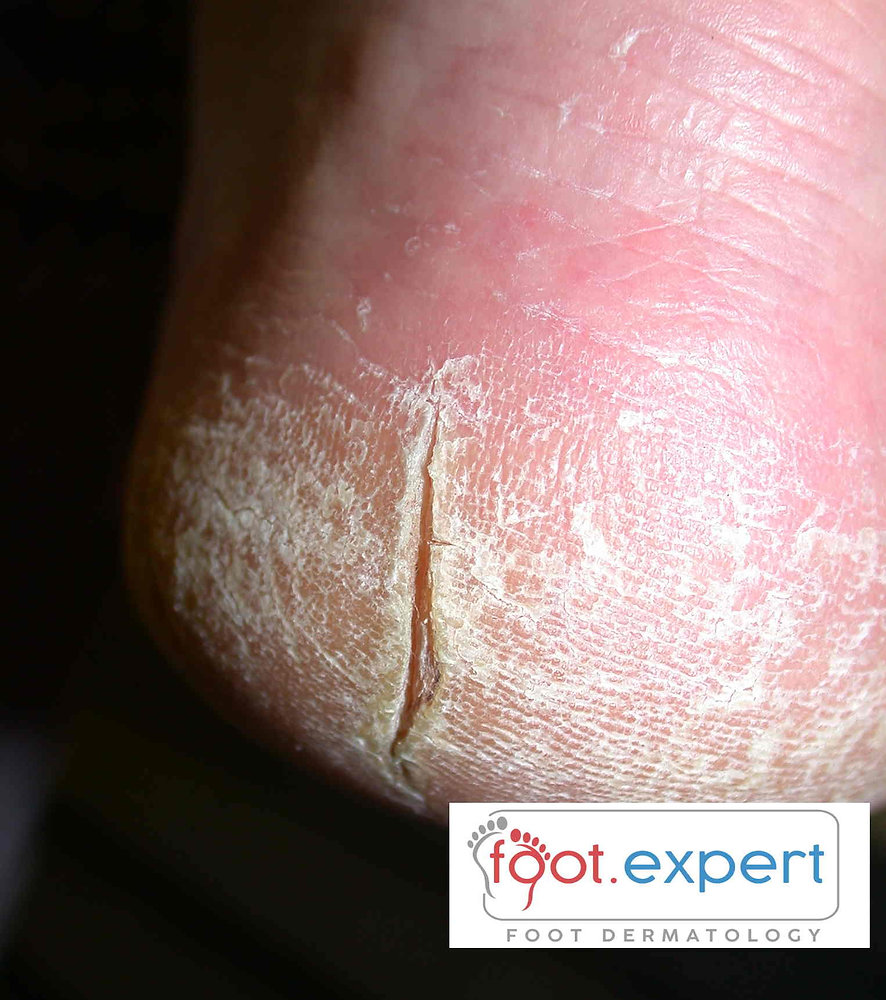
Why Do Cracked Heels Occur?
The most frequent cause of cracked heels is excessive dryness, which reduces the skin’s flexibility. When pressure is applied while walking or standing, the hardened skin may split.
Common causes include:
-
Lack of skin moisture
-
Standing for long periods
-
Walking barefoot
-
Wearing open-back footwear
-
Aging skin
However, when cracked heels become severe, painful, or difficult to heal, they may be linked to other health factors.
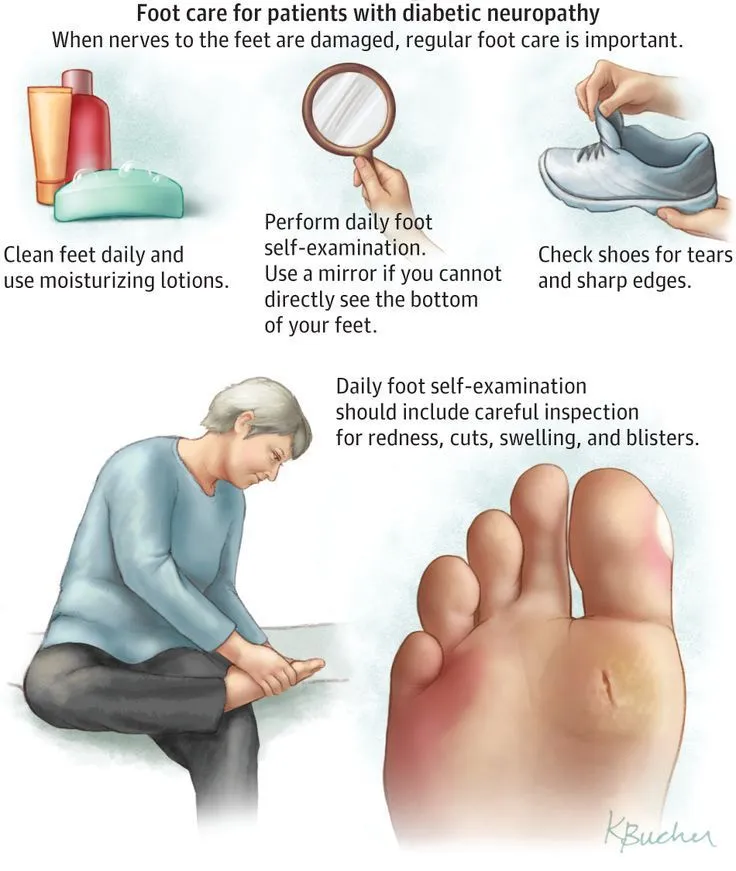
1. Diabetes
One condition often associated with cracked heels is diabetes. High blood sugar levels can affect circulation and damage nerves in the feet, a condition known as diabetic neuropathy.
This may cause:
-
Dry skin on the feet
-
Reduced sweating
-
Slow wound healing
-
Increased risk of infection
Because small cracks can develop into larger wounds, people with diabetes are often advised to monitor foot health carefully and seek medical attention if skin breaks occur.
2. Thyroid Disorders
Hormonal imbalances caused by thyroid disorders may affect skin hydration and metabolism. An underactive thyroid, known as hypothyroidism, can lead to extremely dry skin throughout the body, including the heels.
Symptoms may include:
-
Rough or dry skin
-
Thickened heel skin
-
Cracking that does not improve with moisturizers
Managing thyroid health may help improve skin conditions over time.


3. Nutritional Deficiencies
Skin health relies on a variety of vitamins and minerals. Deficiencies in certain nutrients may contribute to dryness and skin breakdown.
Important nutrients for healthy skin include:
-
Vitamin A – supports skin repair
-
Vitamin E – protects skin cells
-
Zinc – promotes wound healing
-
Omega-3 fatty acids – maintain skin moisture
A balanced diet containing fruits, vegetables, nuts, seeds, and healthy fats may support healthier skin.
4. Skin Conditions
Certain skin diseases may also cause cracked heels. Examples include:
Psoriasis – causes thick, scaly patches of skin.
Eczema – leads to inflammation and dryness.
Fungal infections – can cause peeling and fissures on the feet.
These conditions may require medical treatment rather than simple moisturizing.

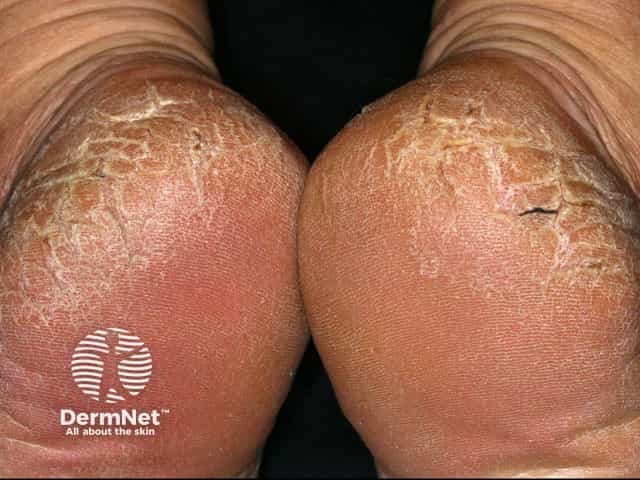

When Cracked Heels Become Dangerous
In most cases, cracked heels are mild and manageable. However, medical attention may be necessary if:
-
Cracks become deep or painful
-
Bleeding occurs
-
Redness or swelling appears
-
Signs of infection develop
-
The condition does not improve with home care
Untreated cracks may allow bacteria to enter the skin, increasing the risk of infection.
How to Protect Your Heel Health
Taking simple steps in daily foot care can help prevent cracked heels.
Helpful habits include:
Moisturizing daily
Thick creams containing urea, glycerin, or natural oils help restore skin hydration.
Gentle exfoliation
Using a pumice stone may remove hardened skin and improve moisturizer absorption.
Wearing supportive footwear
Closed shoes with cushioned heels reduce pressure on the skin.
Staying hydrated
Drinking enough water supports skin elasticity.
Maintaining balanced nutrition
Healthy foods rich in vitamins and minerals support skin repair.


Final Thoughts
Cracked heels are often dismissed as a minor cosmetic concern, but in some cases they may reveal important clues about overall health. Persistent dryness, deep fissures, or cracks that do not heal properly may indicate underlying issues such as nutritional deficiencies, skin disorders, or metabolic conditions.
Regular foot care, proper hydration, and balanced nutrition can go a long way toward maintaining healthy skin. Paying attention to changes in the feet and seeking professional advice when necessary can help prevent complications and ensure long-term health.
Sometimes the body sends subtle signals through the skin—and listening to those signals can make a significant difference in maintaining overall well-being.