Before Your Colonoscopy, Ask Your Doctor This Important Question
A colonoscopy is one of the most effective tools available for detecting colorectal cancer and identifying precancerous polyps before they become dangerous. For many people, the procedure can be life-saving.
Yet when a doctor recommends a colonoscopy, most patients focus on preparing for the procedure itself—following dietary restrictions, taking bowel-cleansing solutions, and arranging transportation home.
What many people don't realize is that there is one important question worth asking before the procedure takes place:
"What is your adenoma detection rate?"
While the question may sound technical, understanding what it means could help you make more informed decisions about your care.
What Is an Adenoma?

An adenoma is a type of colon polyp that has the potential to develop into colorectal cancer over time.
Not all polyps become cancerous, but adenomas are considered precancerous growths. Detecting and removing them during a colonoscopy is one of the primary reasons the procedure is so valuable.
The more effectively these polyps are found and removed, the lower the risk of colorectal cancer developing in the future.
Understanding Adenoma Detection Rate (ADR)
The adenoma detection rate, often called ADR, measures how frequently a physician identifies adenomatous polyps during screening colonoscopies.
In simple terms, it reflects how successful an endoscopist is at finding potentially dangerous polyps.
Research has shown that doctors with higher ADRs tend to identify more precancerous lesions, which may reduce a patient's future risk of colorectal cancer.
Because of this, many experts consider ADR one of the most important quality indicators for colonoscopy performance.
Why Does ADR Matter?
During a colonoscopy, even small polyps can sometimes be difficult to detect.
Factors that may influence detection include:
- Physician experience
- Withdrawal technique
- Bowel preparation quality
- Equipment used
- Time spent examining the colon
Studies have suggested that patients whose doctors have higher adenoma detection rates may have a lower risk of developing interval colorectal cancer—cancer that appears after a colonoscopy but before the next recommended screening.
For this reason, some healthcare organizations encourage monitoring ADR as a quality benchmark.
Other Important Questions to Ask

While ADR is valuable, it is not the only factor worth discussing before a colonoscopy.
You may also consider asking:
How many colonoscopies do you perform each year?
Experience can play an important role in procedural quality and confidence.
What are the risks and benefits for me personally?
Your age, medical history, family history, and overall health can influence recommendations.
How should I prepare?
Proper bowel preparation is critical. Even the most skilled physician may have difficulty detecting polyps if the colon is not adequately cleaned.
When will I receive my results?
Understanding the timeline for pathology reports and follow-up recommendations can help reduce anxiety.
The Importance of Proper Preparation
Regardless of who performs the procedure, bowel preparation remains one of the most important factors affecting colonoscopy effectiveness.
If the colon is not sufficiently cleaned:
- Polyps may be harder to detect
- The procedure may take longer
- A repeat colonoscopy may be necessary
Following preparation instructions carefully can significantly improve the quality and accuracy of the examination.
Who Should Consider Colon Cancer Screening?
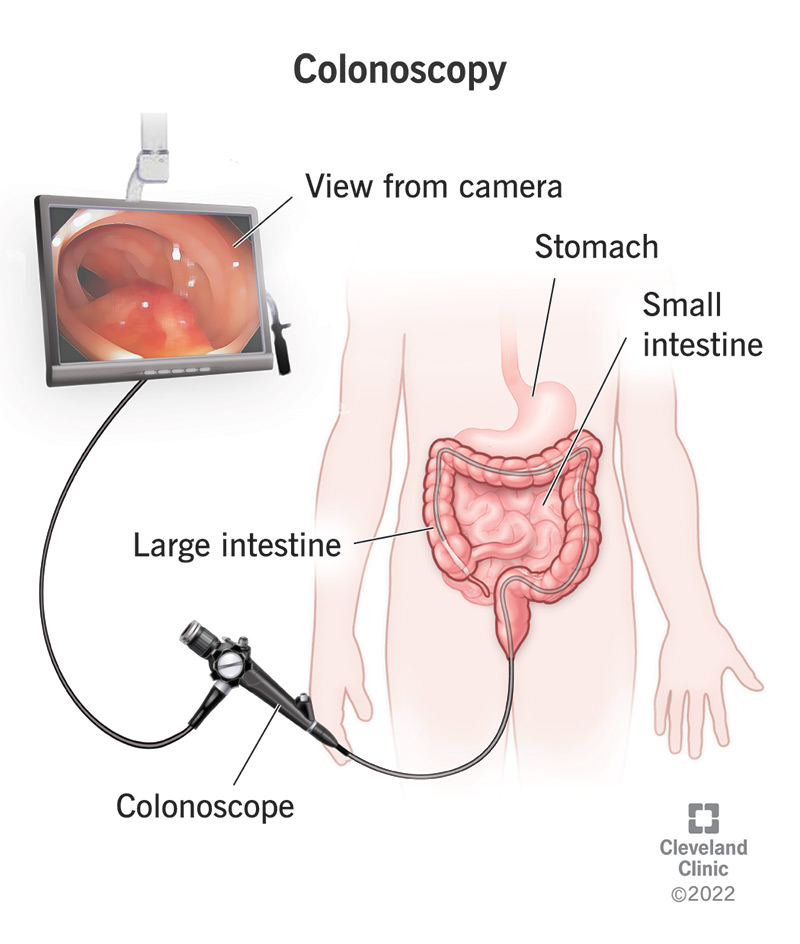
Screening recommendations vary depending on personal risk factors and evolving medical guidelines.
Factors that may increase risk include:
- Age
- Family history of colorectal cancer
- Personal history of polyps
- Inflammatory bowel disease
- Certain inherited genetic conditions
Individuals should discuss their specific screening schedule with their healthcare provider.
Benefits of Colonoscopy
A colonoscopy offers several important advantages:
✅ Detection of precancerous polyps
✅ Early identification of colorectal cancer
✅ Ability to remove polyps during the same procedure
✅ Evaluation of unexplained gastrointestinal symptoms
✅ Long-term reduction in colorectal cancer risk when abnormalities are found and treated
Don't Be Afraid to Ask Questions
Many patients feel uncomfortable questioning their doctor, but healthcare experts encourage open communication.
Asking informed questions can help you better understand the procedure, evaluate your options, and feel more confident about your care.
A quality colonoscopy is not just about having the procedure—it's also about ensuring that it is performed effectively and that you understand the process from start to finish.
Final Thoughts
If your doctor recommends a colonoscopy, one question that may be worth discussing is their adenoma detection rate (ADR), a measure often used to assess how effectively precancerous polyps are found during screening procedures.
While ADR is only one factor among many, understanding it can help you become a more informed participant in your healthcare decisions.
Most importantly, if your healthcare provider recommends colorectal cancer screening, don't delay the conversation. Early detection remains one of the most powerful tools for preventing serious disease and protecting long-term health.