What Your Nails Might Be Telling You About Your Health: 9 Important Signs
Most people think of nails as a cosmetic feature, but they can actually provide valuable clues about what's happening inside the body. Changes in nail color, texture, shape, or growth patterns can sometimes reflect nutritional deficiencies, circulation problems, infections, or other underlying health conditions.
While nail changes do not always indicate a serious illness, persistent or unusual symptoms should not be ignored. Understanding these signs may help you recognize potential health concerns and seek medical advice when necessary.
Here are nine nail changes that experts say may be worth paying attention to.
1. Pale or White Nails
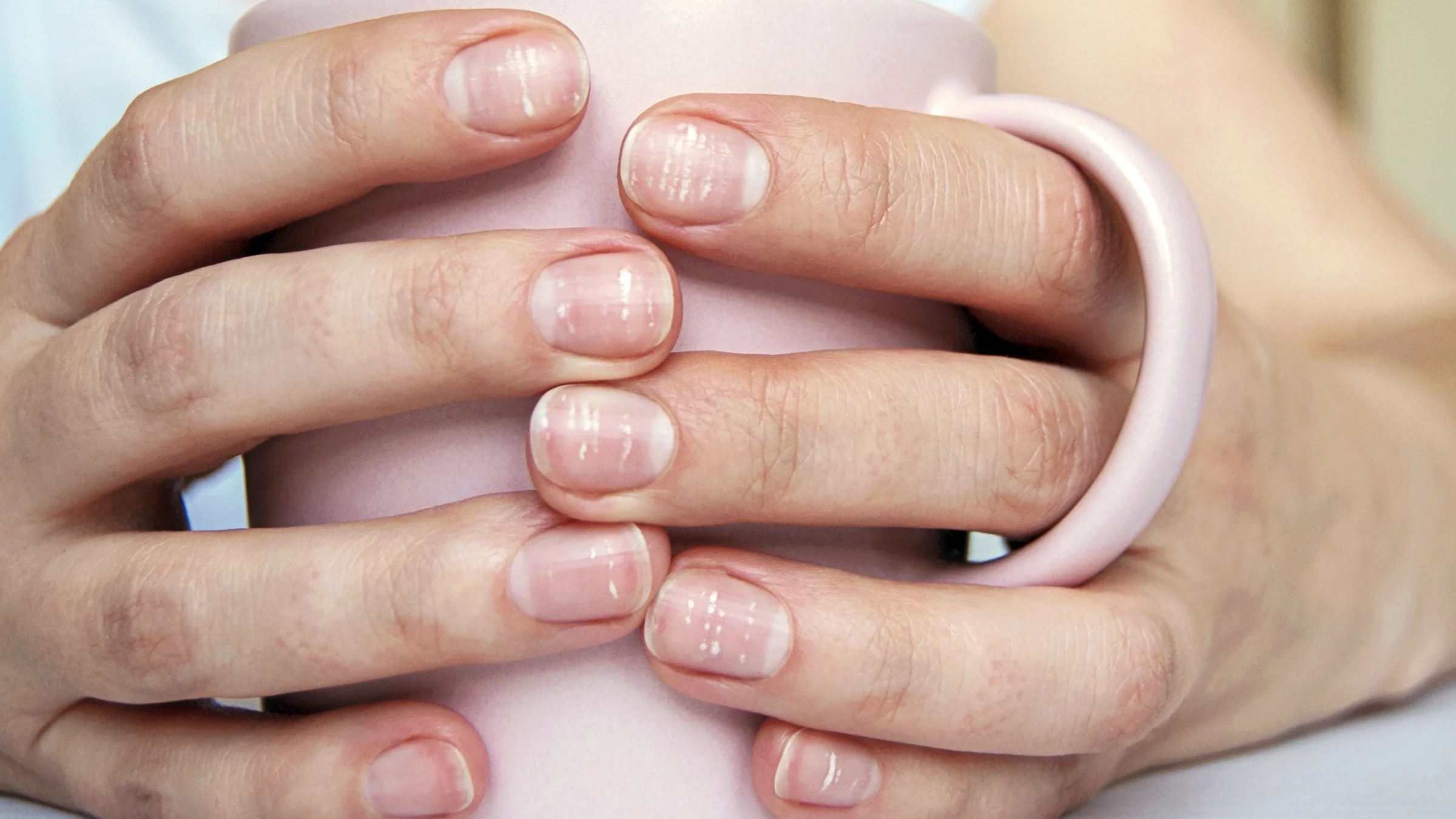
Healthy nails typically have a pinkish color due to the blood vessels beneath them.
If your nails appear unusually pale or almost white, it could sometimes be associated with:
- Iron deficiency anemia
- Liver conditions
- Malnutrition
- Chronic illnesses
In some cases, aging may also cause nails to appear lighter. However, sudden or significant color changes deserve attention.
2. Yellow Nails
Yellowing nails are often linked to fungal infections, especially when the nails become thickened or brittle.
Other possible causes include:
- Smoking
- Frequent use of nail polish
- Respiratory conditions
- Diabetes
- Certain skin disorders
If the discoloration persists despite proper nail care, a medical evaluation may be helpful.
3. Bluish Nails
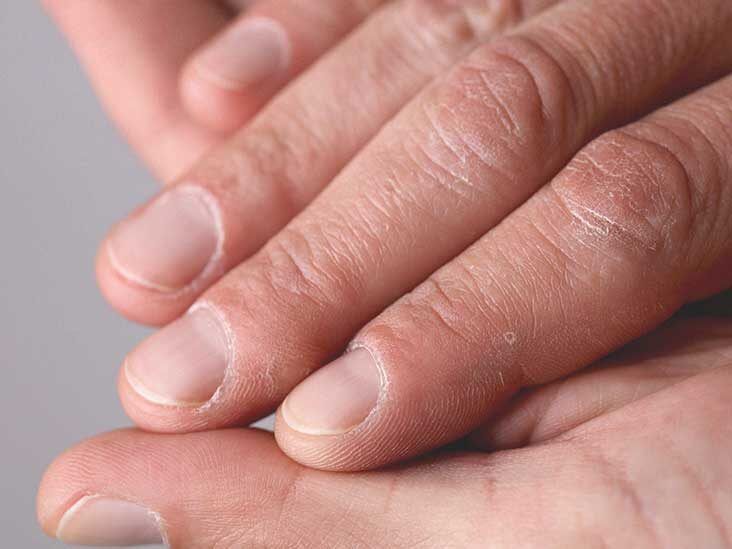
Nails that appear blue or purple may suggest that the body is not receiving enough oxygen.
Possible causes include:
- Lung disorders
- Heart conditions
- Poor circulation
- Exposure to extremely cold temperatures
Bluish nails should be taken seriously, particularly if accompanied by shortness of breath or chest discomfort.
4. Brittle or Cracked Nails
Nails that break easily, split frequently, or become unusually fragile may indicate:
- Aging
- Excessive exposure to water
- Nutritional deficiencies
- Thyroid disorders
- Iron deficiency
Although brittle nails are common, persistent problems may warrant further investigation.
5. Spoon-Shaped Nails
A condition known as koilonychia causes nails to develop a concave, spoon-like appearance.
Possible underlying causes include:
- Iron deficiency anemia
- Nutritional deficiencies
- Certain autoimmune disorders
- Genetic conditions
Because spoon-shaped nails are relatively uncommon, they should be discussed with a healthcare professional.
6. Clubbed Fingernails
Clubbing occurs when the fingertips enlarge and the nails curve downward around them.
This change typically develops gradually and may be associated with:
- Chronic lung disease
- Heart disease
- Inflammatory bowel disease
- Liver disorders
Although clubbing is uncommon, it is often considered a sign that deserves medical evaluation.
7. Horizontal Grooves or Deep Ridges
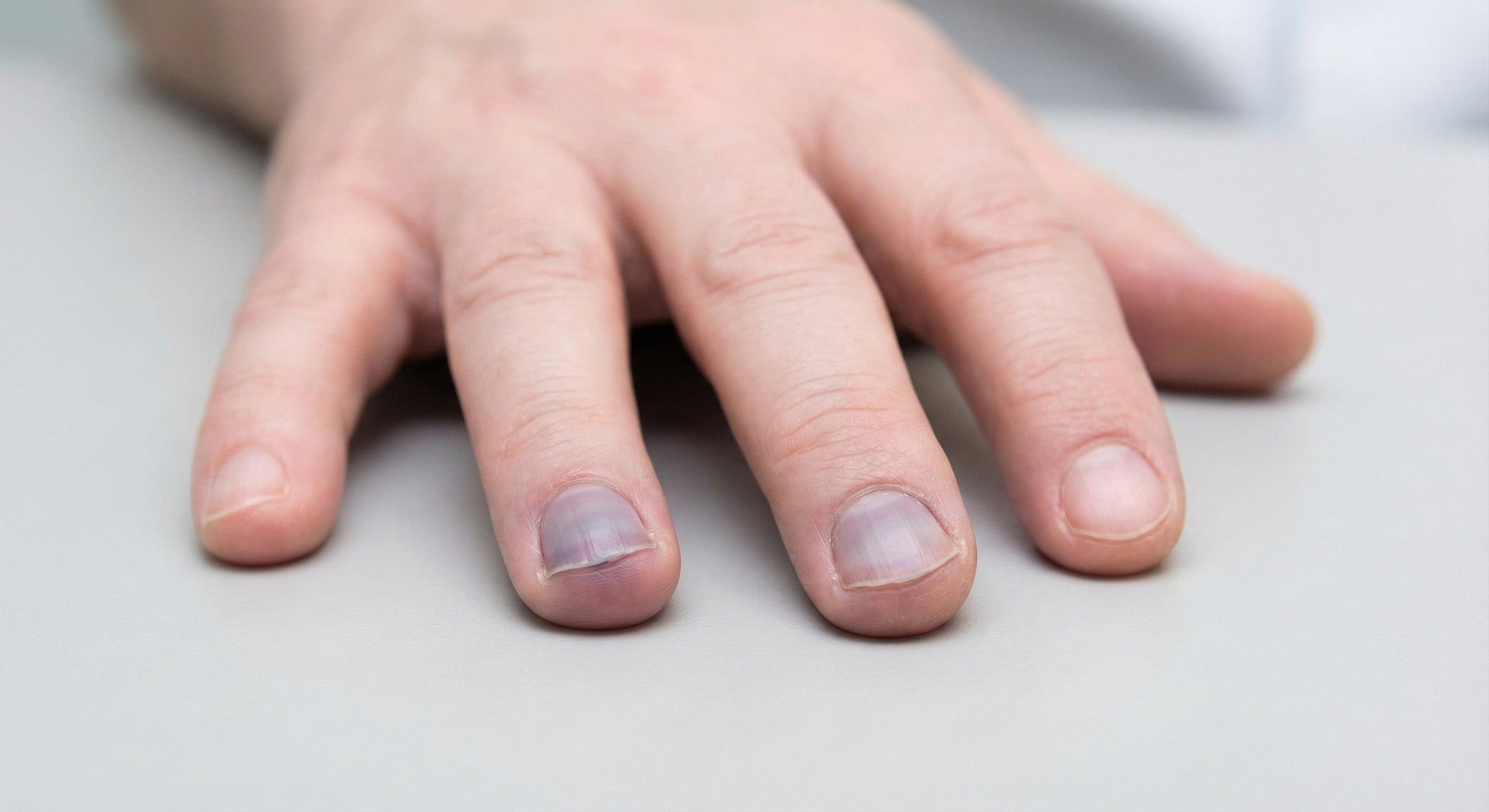
Horizontal depressions across the nails, known as Beau's lines, can develop after a period of significant physical stress.
Possible triggers include:
- Severe illness
- High fever
- Major surgery
- Nutritional deficiencies
- Certain medical conditions
These grooves may reflect a temporary interruption in nail growth.
8. Dark Lines Under the Nail
Dark streaks running vertically beneath the nail can have many causes.
Some are harmless and result from minor trauma. However, in rare cases, dark lines may be associated with serious conditions, including certain forms of skin cancer.
Any new, unexplained dark streak should be evaluated by a healthcare professional, especially if it changes over time.
9. Pitted Nails
Small dents or pits on the nail surface may be linked to:
- Psoriasis
- Eczema
- Alopecia areata
- Other inflammatory conditions
Pitting often affects multiple nails and may appear before other symptoms become noticeable.
When Should You Be Concerned?
Not every nail change indicates a health problem. Temporary changes can occur due to injury, aging, cosmetic products, or environmental factors.
However, you may want to consult a healthcare professional if:
🚨 Nail changes persist for several weeks or months
🚨 The appearance worsens over time
🚨 Multiple nails are affected
🚨 You experience pain, swelling, or infection
🚨 Symptoms occur alongside fatigue, weight loss, breathing problems, or other unusual health changes
How to Support Healthy Nails
Healthy nails often reflect healthy habits.
Experts generally recommend:
✅ Eating a balanced diet rich in protein, vitamins, and minerals
✅ Staying hydrated
✅ Protecting hands from harsh chemicals
✅ Wearing gloves when cleaning
✅ Avoiding excessive nail trauma
✅ Managing underlying medical conditions
✅ Practicing good nail hygiene
Final Thoughts
Your nails do much more than protect your fingertips—they may also provide valuable clues about your overall health. Changes in color, shape, thickness, or texture can sometimes signal nutritional deficiencies, circulation problems, infections, or other underlying conditions.
While many nail changes are harmless, persistent or unusual symptoms should not be ignored. Paying attention to these subtle signs may help identify potential health issues early and encourage timely medical evaluation when needed.
The next time you look at your nails, remember that they may be telling a story about your health that is worth listening to.