

One Simple Vegetable, Multiple Potential Benefits—See Why People Are Talking About Okra
What Happens When You Eat Okra Every Week? Doctors Reveal the Answer
Health 10/06/2026 11:37
Meat can be an excellent source of protein, iron, vitamin B12, and other essential nutrients. When properly sourced, stored, and cooked, meat can be part of a healthy and balanced diet. However, not all meat products carry the same level of food safety risk.
Certain types of meat are more susceptible to bacterial contamination, toxin formation, or foodborne illness if they are improperly handled, stored, or prepared. Understanding these risks can help consumers make safer choices and reduce the likelihood of food poisoning.
It is important to note that the meats discussed below are not inherently dangerous. Rather, they require extra attention to food safety practices to ensure they are safe to eat.
Foodborne illness is often caused by:
Bacteria
Viruses
Parasites
Toxins
Common examples include:
Salmonella
Campylobacter
E. coli
Listeria
Clostridium perfringens
These microorganisms can contaminate meat during:
Farming
Processing
Transportation
Storage
Food preparation
Proper cooking and handling significantly reduce most risks.
Chicken and turkey are among the most commonly consumed meats worldwide.
However, raw poultry can sometimes harbor bacteria such as:
Salmonella
Campylobacter
Infection may cause:
Diarrhea
Fever
Stomach cramps
Nausea
Store poultry separately from other foods.
Avoid cross-contamination.
Wash hands thoroughly after handling raw poultry.
Cook poultry to a safe internal temperature.
Many people mistakenly rinse raw chicken before cooking.
This may actually spread bacteria around the kitchen through water splashes.
Grinding combines meat from multiple surfaces into a single product.
As a result, bacteria present on the outside of the meat may become mixed throughout.
Examples include:
Ground beef
Ground pork
Ground turkey
Ground meat has been associated with outbreaks involving:
E. coli
Salmonella
Keep refrigerated.
Cook thoroughly.
Avoid consuming undercooked ground meat.
Unlike whole cuts of meat, bacteria may be distributed throughout ground products.
This category may include:
Sausages
Deli meats
Cured meats
Ready-to-eat meat products
If storage conditions are inadequate, certain bacteria may multiply.
One concern is:
Listeria monocytogenes
Particular caution is often recommended for:
Older adults
Pregnant women
Individuals with weakened immune systems
Follow expiration dates.
Refrigerate promptly.
Avoid leaving products at room temperature for extended periods.
Wild game may include:
Deer
Wild boar
Rabbit
Other hunted animals
Unlike commercially inspected meat, wild game may not undergo routine processing controls.
Possible concerns include:
Parasites
Bacterial contamination
Environmental contaminants
Use proper field dressing techniques.
Refrigerate promptly.
Cook thoroughly.
Individuals consuming wild game should follow local wildlife and food safety recommendations.
Food safety experts often warn about temperatures that allow bacteria to multiply rapidly.
Meat left at unsafe temperatures may develop high bacterial loads even if it looks normal.
Contaminated meat may:
Look fresh
Smell normal
Show no visible signs of spoilage
Risk may increase when meat:
Sits out at room temperature
Is repeatedly thawed and refrozen
Is stored incorrectly
Refrigerate promptly.
Follow storage guidelines.
Discard meat when safety is uncertain.
Some bacteria can produce toxins that remain harmful even after cooking.
Examples include toxins produced by certain strains of:
Staphylococcus aureus
Clostridium species
This is why proper storage is just as important as proper cooking.
Symptoms may vary depending on the cause.
Common signs include:
Nausea
Vomiting
Diarrhea
Abdominal cramps
Fever
Fatigue
Weakness
Headache
Some infections may require medical treatment, particularly in vulnerable individuals.
Certain groups face higher risks of complications.
Immune function may decline with age.
Children are more susceptible to dehydration and complications.
Some infections can affect both mother and baby.
Underlying medical conditions may increase risk.
Handwashing remains one of the most effective ways to reduce contamination.
Use separate cutting boards for:
Raw meat
Fruits and vegetables
Food thermometers help ensure adequate cooking.
Do not leave perishable foods out unnecessarily.
Preferred methods include:
Refrigerator thawing
Cold-water thawing
Microwave thawing
Avoid thawing meat on the kitchen counter.
Dangerous bacteria may be present even when meat smells normal.
Freezing slows bacterial growth but does not necessarily eliminate all microorganisms.
Risk depends on the type of meat and how it was processed.
Whole cuts generally differ from ground products.
Symptoms may appear hours or even days after exposure.
Food safety does not require complicated procedures.
Simple habits can make a significant difference:
Proper refrigeration
Thorough cooking
Good hygiene
Safe food storage
Attention to expiration dates
These practices help reduce the risk of foodborne illness while allowing people to enjoy meat safely.
Headlines often use dramatic language to describe certain foods as "toxic." In reality, most meat sold through regulated food systems is safe when handled correctly.
The greatest risks usually arise from:
Improper storage
Inadequate cooking
Cross-contamination
Unsafe food handling practices
Understanding these factors empowers consumers to make informed choices.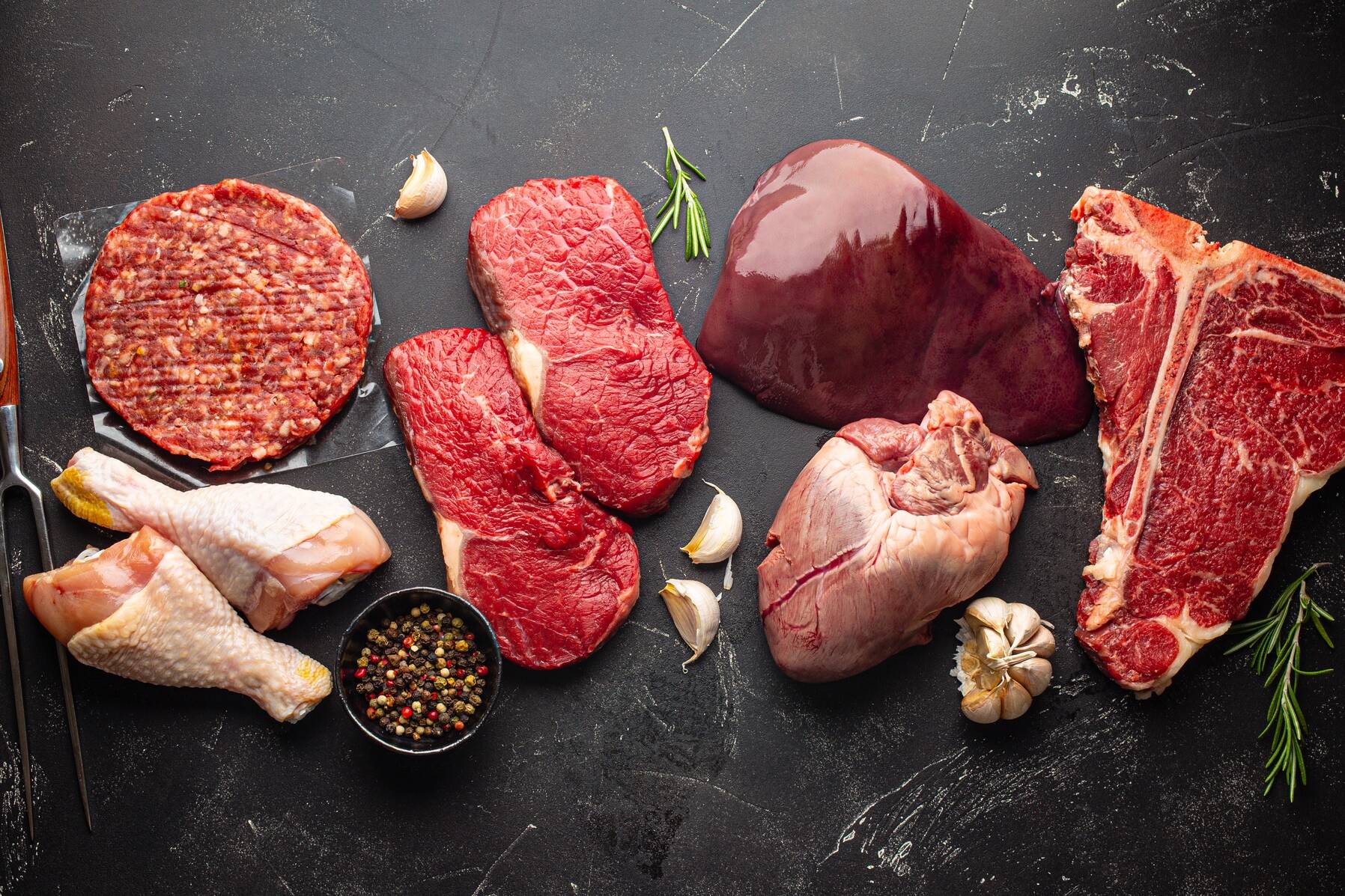
Meat remains an important source of nutrition for many people around the world. However, some types—particularly raw poultry, ground meat, processed meats, wild game, and improperly stored meat—require extra attention because they may be more likely to harbor harmful bacteria, parasites, or toxins if food safety practices are not followed.
Rather than avoiding these foods entirely, the key is proper handling, storage, and cooking. Simple precautions such as washing hands, preventing cross-contamination, refrigerating foods promptly, and cooking meat thoroughly can significantly reduce the risk of foodborne illness.
When it comes to food safety, knowledge and good habits are often the most effective ingredients for protecting your health.
What Happens When You Eat Okra Every Week? Doctors Reveal the Answer

Your Liver Works Hard Every Day—These 6 Foods May Help Support It

13 Reasons This Breakfast Combo Deserves a Place on Your Plate
Many Patients Forget to Mention This Before a Colonoscopy

Doctors Reveal 5 Foods Children Should Avoid Eating Every Morning
Your Heart May Be Sending These 7 Important Signals Before an Emergency

Coconut Water: A Refreshing Drink With More to Offer Than You Might Expect

Your Nails Are Constantly Changing—Some Changes May Be Trying to Tell You Something Important
Doctors Reveal 8 Warning Signs That May Indicate Kidney Trouble

🚨 Before You Buy Honey Again, Learn These Simple Authenticity Tests

Your Hands May Be Trying to Warn You—Don't Ignore These Tingling Sensations
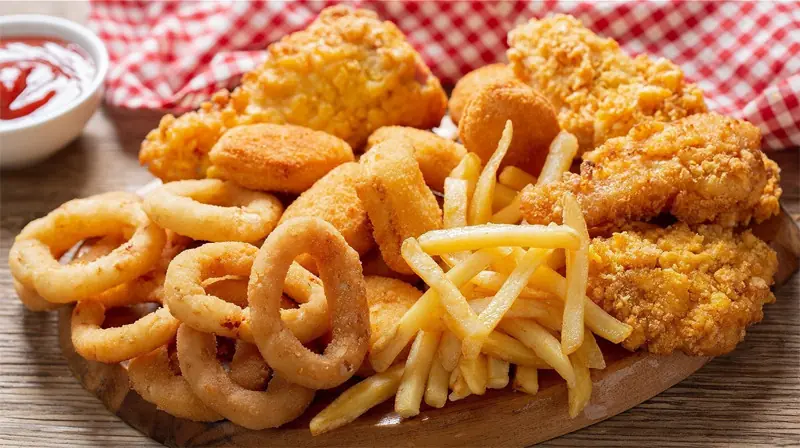
These 5 Everyday Foods Could Be Quietly Damaging Your Liver—Number 3 May Surprise You

Millions Do It, But What Actually Happens When You Urinate in the Shower?
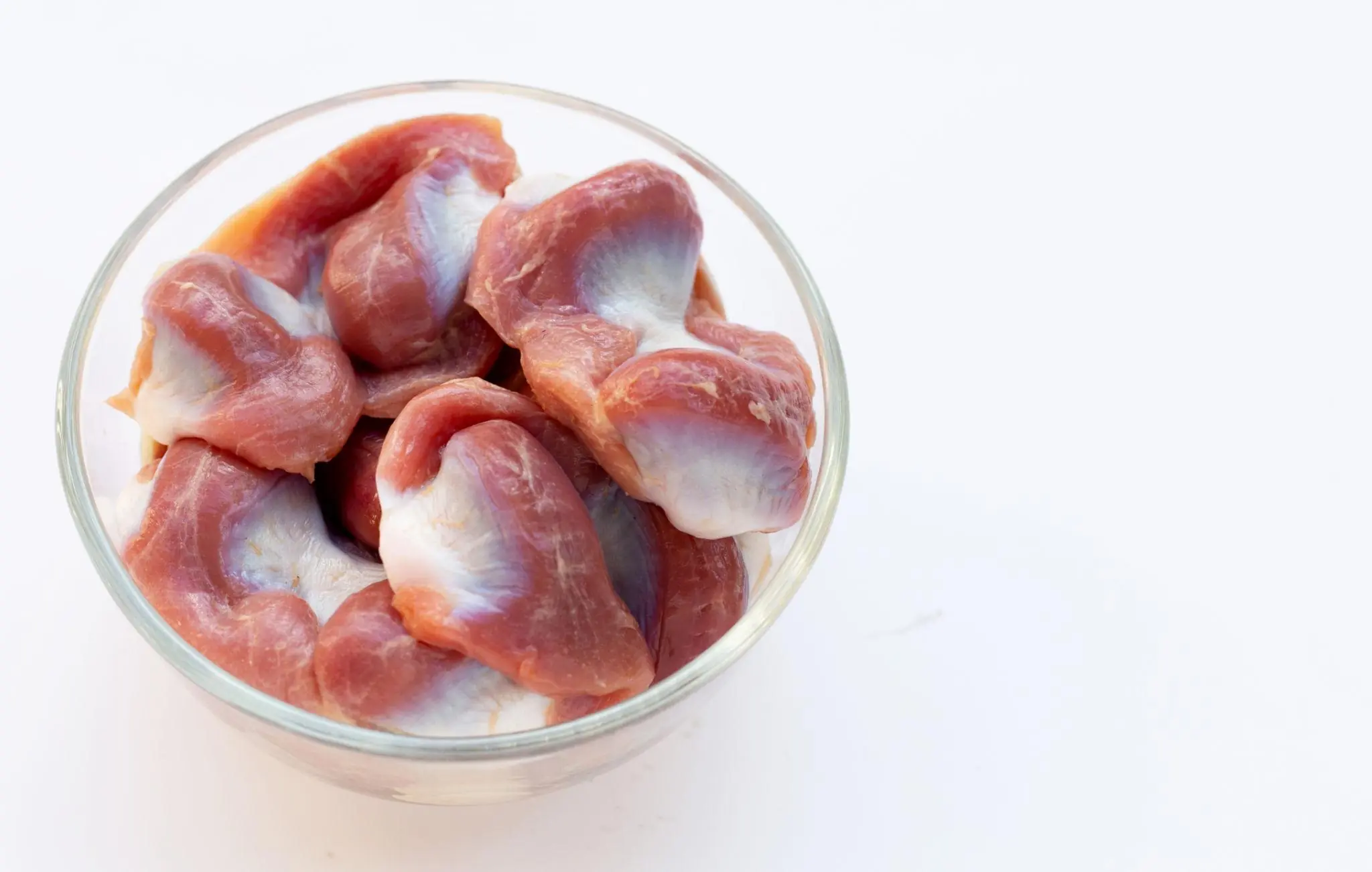
Rich in Protein, Iron, and B12—Here’s Why Gizzards Deserve a Second Look

Do You Have One of These Conditions?
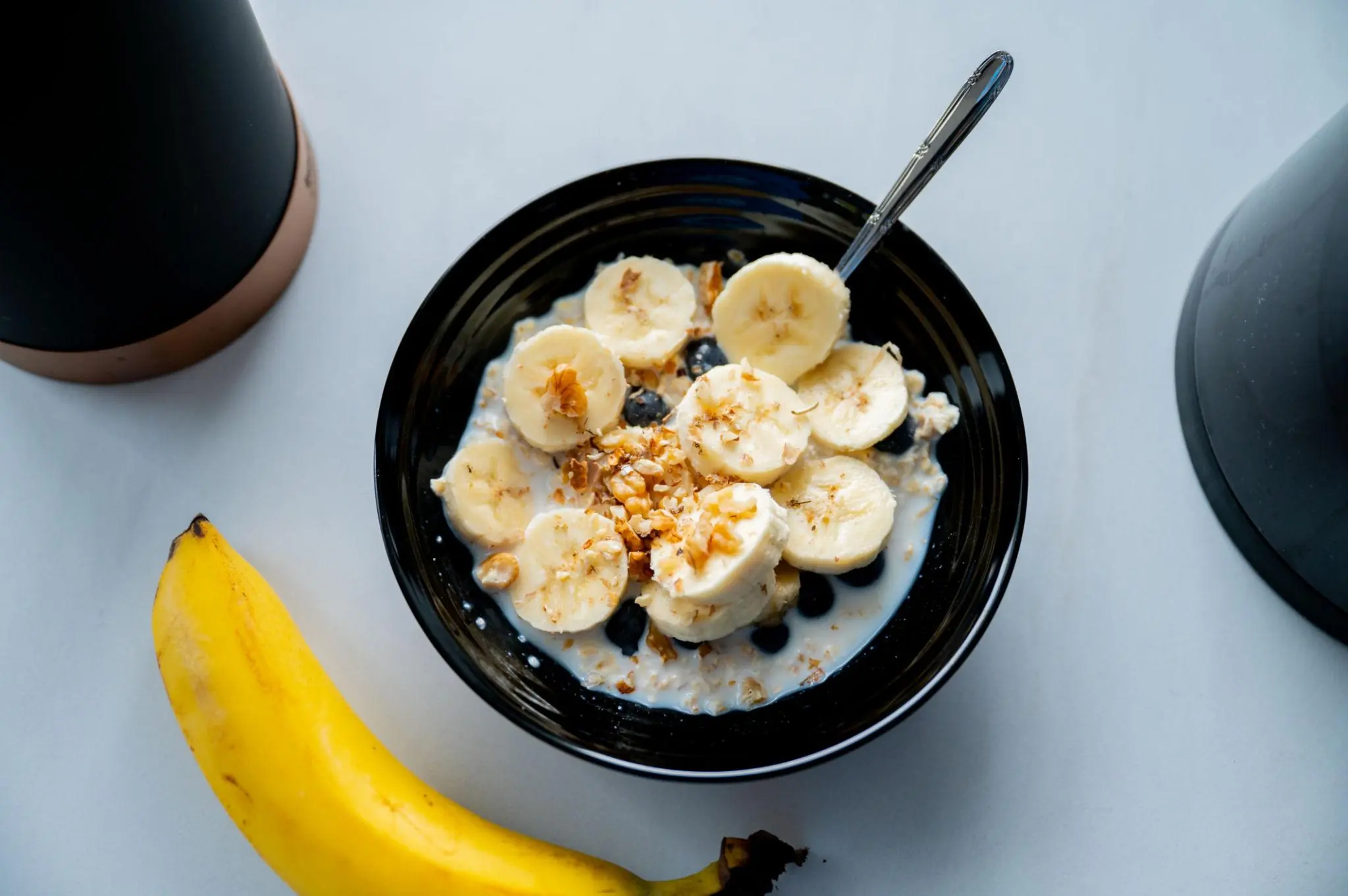
The Surprising Reason You May Want to Start Every Morning with a Banana

Chicken eggs are highly nutritious and beneficial, but they are not suitable for everyone

Proper thermos use can help prevent contamination and food safety risks.
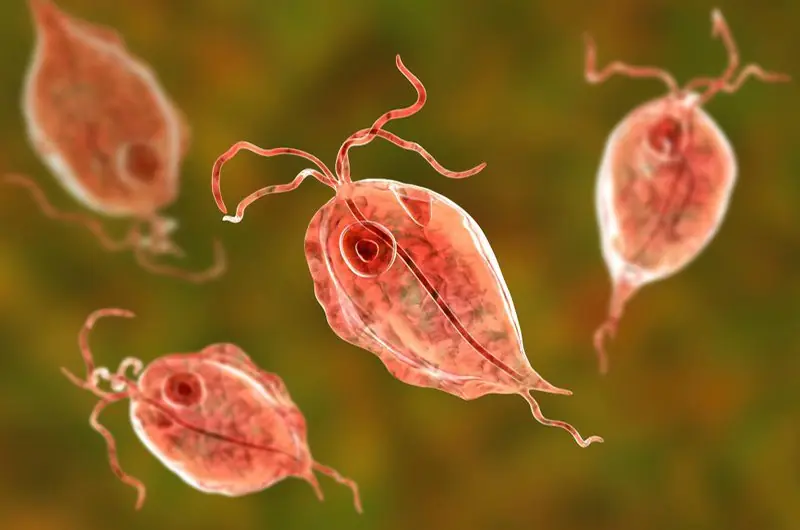
Before You Eat These 4 Foods, Make Sure They're Properly Prepared
What Happens When You Eat Okra Every Week? Doctors Reveal the Answer
Your Liver Works Hard Every Day—These 6 Foods May Help Support It
13 Reasons This Breakfast Combo Deserves a Place on Your Plate
Many Patients Forget to Mention This Before a Colonoscopy
Doctors Reveal 5 Foods Children Should Avoid Eating Every Morning
Your Heart May Be Sending These 7 Important Signals Before an Emergency
Coconut Water: A Refreshing Drink With More to Offer Than You Might Expect
Your Nails Are Constantly Changing—Some Changes May Be Trying to Tell You Something Important
Doctors Reveal 8 Warning Signs That May Indicate Kidney Trouble
🚨 Before You Buy Honey Again, Learn These Simple Authenticity Tests
Your Hands May Be Trying to Warn You—Don't Ignore These Tingling Sensations
These 5 Everyday Foods Could Be Quietly Damaging Your Liver—Number 3 May Surprise You
Millions Do It, But What Actually Happens When You Urinate in the Shower?
Rich in Protein, Iron, and B12—Here’s Why Gizzards Deserve a Second Look

One Image, Two Interpretations—Which One Did You See?
Do You Have One of These Conditions?
The Surprising Reason You May Want to Start Every Morning with a Banana

What Your Brain Notices First Says More Than You Think
Chicken eggs are highly nutritious and beneficial, but they are not suitable for everyone