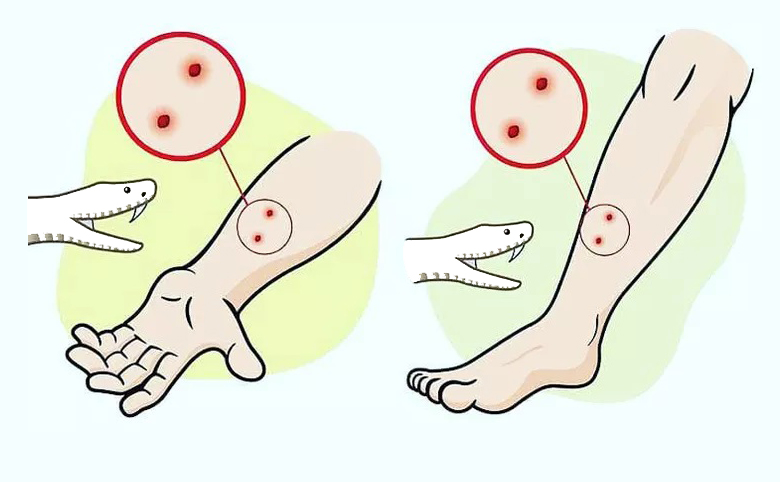
Bi.tten by a Snake? Here’s the First Thing You Must Do — It Could Save Your Life
Getting bitten by a snake can be a terrifying experience, and the actions taken in the first minutes after a bite can make a significant difference in the outcome. Knowing the right steps to take immediately can protect you from further harm and may even save your life.
Treat Every Snake Bite as an Emergency
The very first thing you should do after being bitten by a snake is call for emergency medical help right away. Whether you think the snake is venomous or not, professional medical evaluation is critical. Some venoms can have delayed effects that are not immediately obvious, and prompt treatment — including possible antivenom — can prevent serious complications.
Stay Calm and Still
Once help is on the way, the next priority is to remain calm and keep movement to a minimum. A faster heart rate and strenuous activity can cause any venom to spread more quickly through the bloodstream. Try to stay as calm and still as possible while waiting for help to arrive.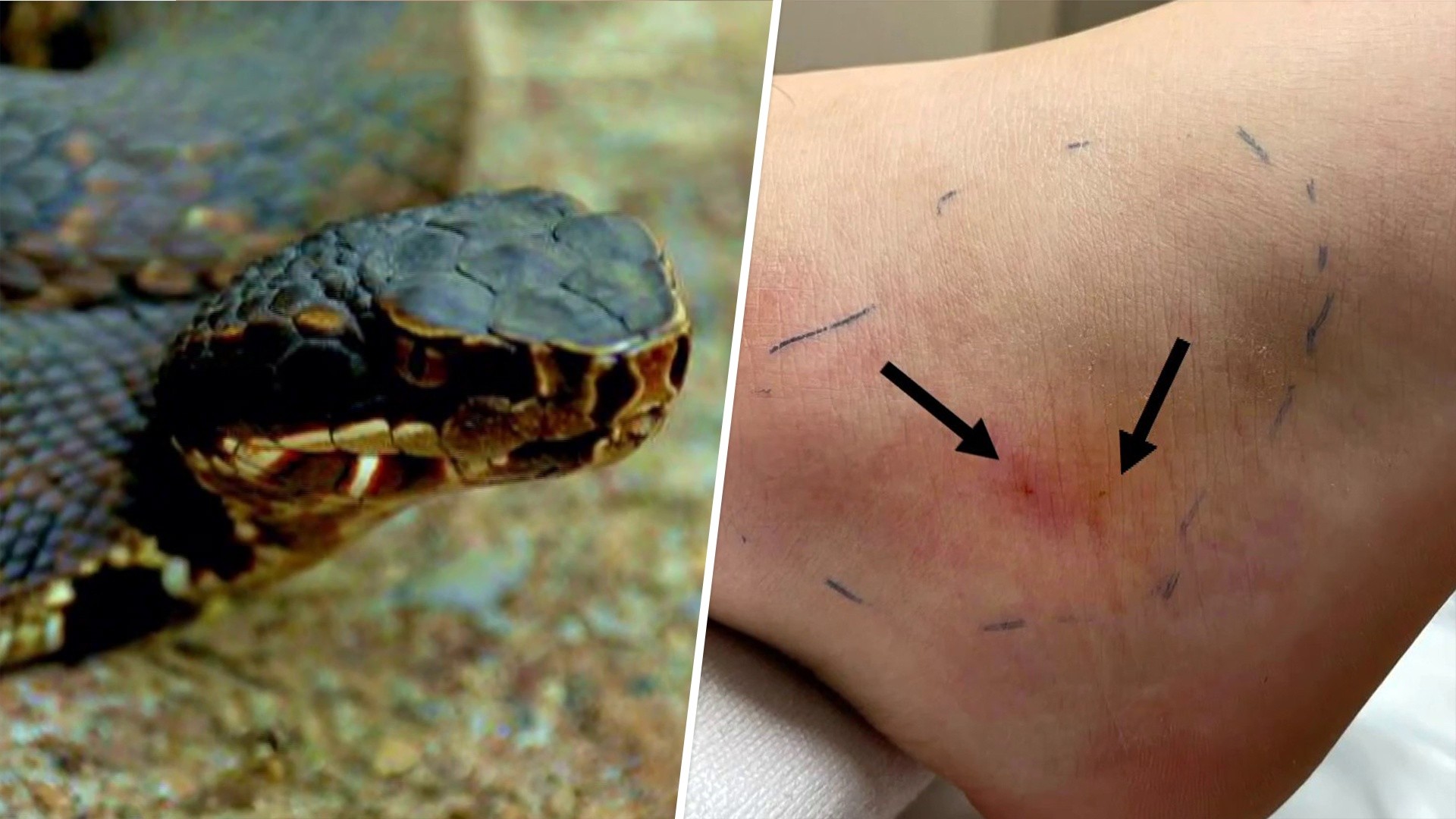
Remove Constrictive Items
As swelling often develops quickly around a bite site, remove any tight clothing, rings, watches, or bracelets near the area. This reduces the risk of circulation problems and helps prevent further injury.
Provide Basic First Aid
After dialing emergency services, there are a few appropriate first aid steps you can take while waiting for professional help:
-
Move away from the snake to avoid additional bites.
-
Keep the bitten limb still and below heart level to slow the spread of venom.
-
Gently cleanse the bite area with soap and water if available.
-
Cover the wound with a clean, dry dressing or bandage, but do not wrap it tightly.
What Not to Do
Many common home remedies or instinctive reactions can actually make the situation worse:
-
Do not apply a tourniquet, as this can cause tissue damage and cut off circulation.
-
Do not cut the bite or attempt to suck out venom, which is neither effective nor safe.
-
Do not apply ice, as it may worsen tissue injury.
-
Do not drink alcohol or caffeine, which can increase heart rate and speed venom spread.
Track Symptoms and Time
As you await medical help, monitor any symptoms that develop. Changes such as increasing pain, swelling, nausea, dizziness, difficulty breathing, or spreading redness can indicate that venom is affecting the body. Noting the time of the bite and symptom progression can help health professionals make faster and more accurate treatment decisions.
Why Emergency Care Matters
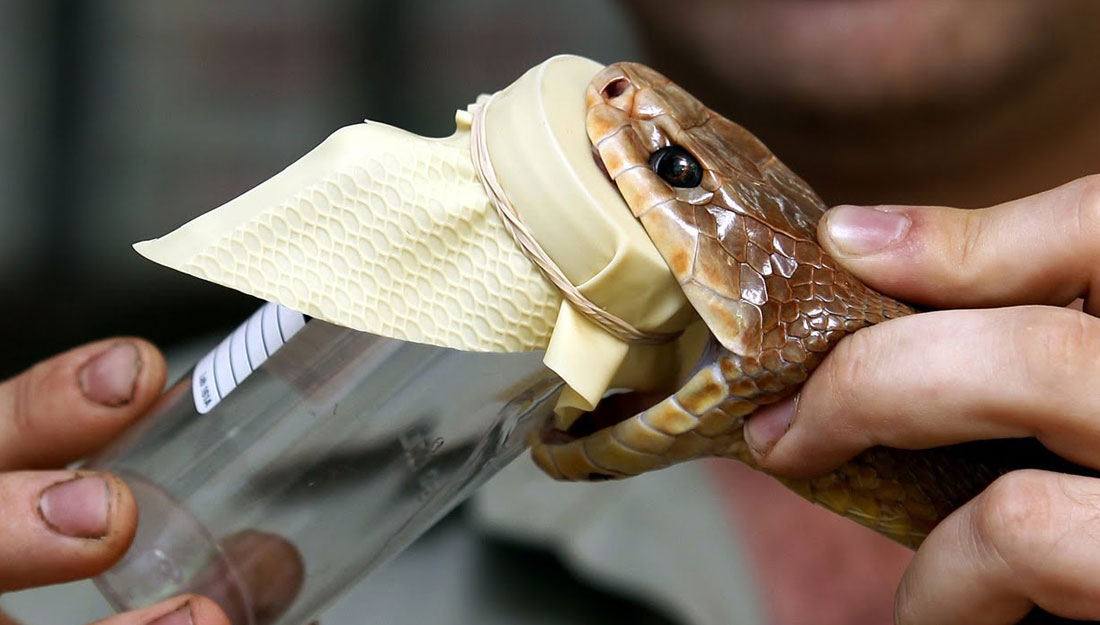
At a hospital or medical clinic, doctors can assess the severity of the bite and administer antivenom when necessary. They may also provide supportive care such as intravenous fluids, pain management, and monitoring for complications. Trying to manage a snake bite without medical intervention is not recommended due to the unpredictable nature of venom effects.