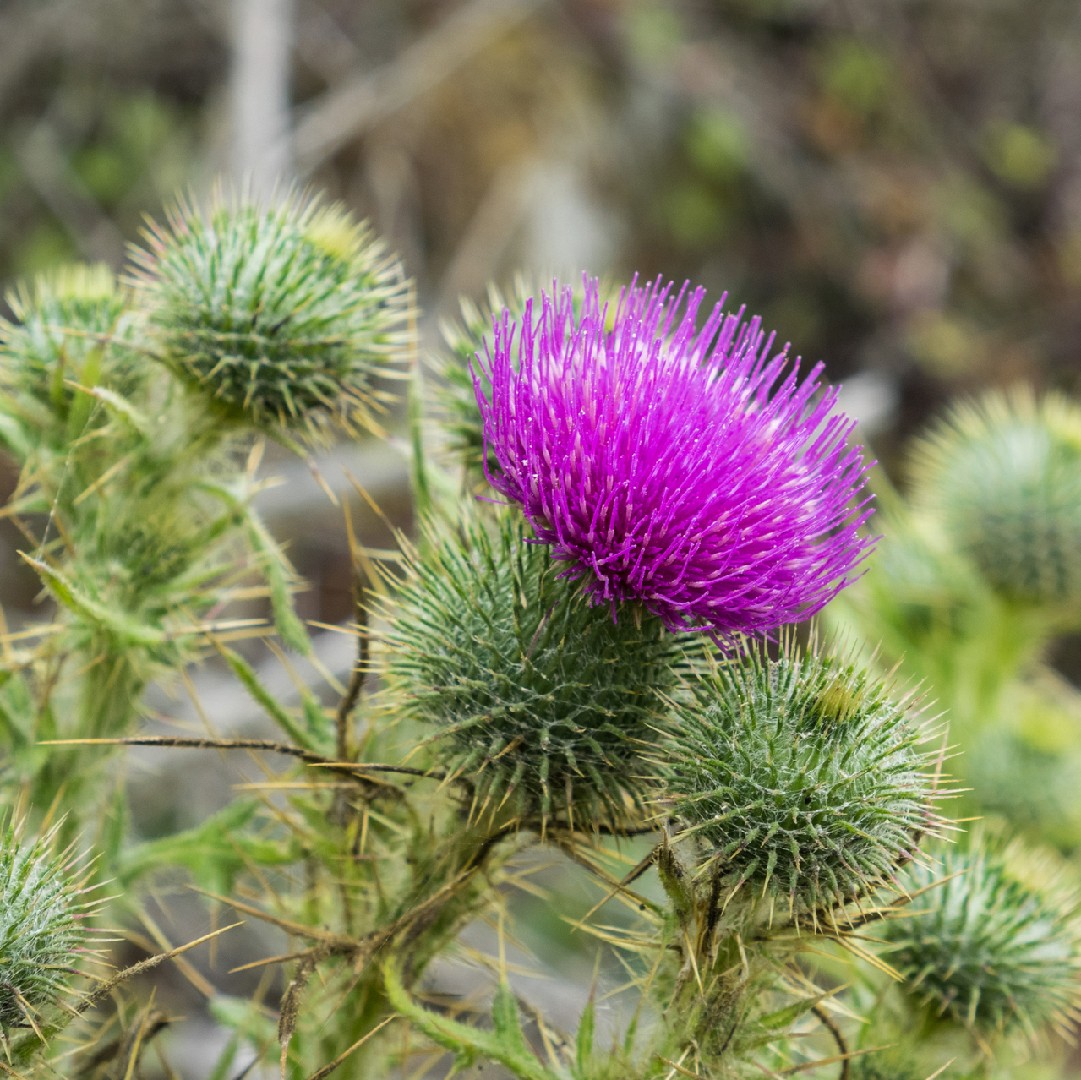
Bull thistle (Cirsium vulgare) is often dismissed as a stubborn weed - spiny, invasive, and unwanted in fields and roadsides. Yet beneath its sharp exterior lies a plant with a long history of traditional use and a growing reputation among herbalists and foragers. Far from being useless, bull thistle has been valued in folk medicine, survival food practices, and ecological systems for centuries.
While modern science is still catching up, early research and traditional knowledge suggest that bull thistle may offer nutritional, medicinal, and environmental benefits worth understanding.
What Is Bull Thistle?
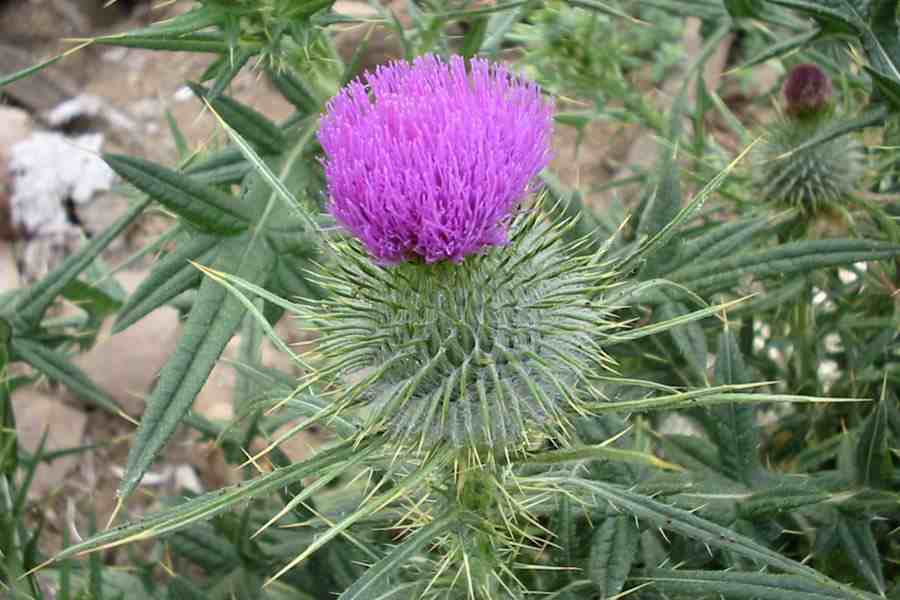
Bull thistle is a biennial plant native to Europe, Western Asia, and North Africa, now widely naturalized in North America and other regions. It is easily recognized by:
-
Tall stems (up to 2 meters)
-
Purple-pink flower heads
-
Sharp spines covering leaves and stems
-
Deep taproot system
Despite its rough appearance, many parts of the plant—when handled and prepared correctly—have been used historically for food and healing.
Traditional Uses of Bull Thistle
Folk Medicine
In European and Indigenous traditions, bull thistle was used to:
-
Support liver and gallbladder health
-
Reduce inflammation
-
Promote wound healing
-
Aid digestion
Poultices, teas, and decoctions were made from the roots, leaves, or flower heads, depending on the purpose.
Survival and Foraged Food
During times of scarcity, bull thistle served as a wild food source:
-
Young leaves (with spines removed) were cooked like greens
-
Stems were peeled and eaten raw or boiled
-
Roots were roasted or boiled for starch
Nutritional Value (When Properly Prepared)
Bull thistle contains:
-
Dietary fiber
-
Minerals such as potassium, calcium, and magnesium
-
Antioxidant compounds (flavonoids and polyphenols)
-
Small amounts of protein in young plant parts
While not a staple food, it can supplement nutrition in foraged diets.
Surprising Health Benefits of Bull Thistle
⚠️ Important note: Most benefits are based on traditional use and preliminary research. Bull thistle is not a substitute for medical treatment.
1. Liver and Detox Support
Bull thistle has traditionally been associated with liver support, similar (though weaker) to milk thistle.
Potential effects include:
-
Supporting bile flow
-
Helping the body process toxins
-
Reducing oxidative stress in liver cells
2. Anti-Inflammatory Properties
The plant contains compounds that may help reduce inflammation when used externally or in mild internal preparations.
Historically used for:
-
Joint discomfort
-
Muscle aches
-
Swelling
3. Antioxidant Activity
Flavonoids found in bull thistle help neutralize free radicals, which play a role in aging and chronic disease development.
This antioxidant action supports:
-
Cellular protection
-
Immune balance
-
Tissue repair
4. Digestive Support
Traditional herbal use included mild digestive tonics made from thistle roots or leaves.
Possible benefits:
-
Stimulating appetite
-
Reducing bloating
-
Supporting gut motility
5. Wound Healing and Skin Care
Crushed leaves or root poultices were historically applied to:
-
Minor cuts
-
Insect bites
-
Skin irritation
The antimicrobial and astringent properties may help protect wounds and promote healing.
6. Diuretic Effects
Bull thistle was sometimes used to encourage urination, helping the body eliminate excess fluid and waste.
This use requires caution and moderation.
7. Immune System Support
Through its antioxidant and mild antimicrobial properties, bull thistle may indirectly support immune resilience.
Ecological and Environmental Benefits
Beyond human use, bull thistle plays an important ecological role:
-
Pollinator support: Its flowers provide nectar for bees, butterflies, and other insects
-
Soil stabilization: Deep roots help prevent erosion
-
Wildlife value: Birds feed on the seeds
Despite being invasive in some regions, it contributes to biodiversity when managed responsibly.
How Bull Thistle Is Used Today
Modern herbalists may use:
-
Dried leaves for tea (mild preparations only)
-
Root extracts under professional guidance
-
External applications for skin support
Foragers still value the plant, especially in survival contexts, though careful handling is essential.
Safety and Precautions
Bull thistle is generally considered low toxicity, but caution is still necessary.
Avoid or Use Carefully If You:
-
Are pregnant or breastfeeding
-
Have kidney or liver disease
-
Are on diuretic medications
-
Have allergies to plants in the Asteraceae family
Handling Tips:
-
Always remove spines thoroughly
-
Never consume raw mature leaves or stems
-
Start with very small amounts
Common Misconceptions
-
“It’s just a weed.”
→ Many medicinal plants were once considered weeds. -
“All thistles are the same.”
→ Different thistles have different chemical profiles. -
“Natural means safe.”
→ Incorrect—dosage and preparation matter.
Modern Perspective: Should You Use Bull Thistle?
Bull thistle is best viewed as:
-
A traditional support plant, not a cure
-
A foraged food in limited contexts
-
An ecological resource worth understanding
Safer, better-studied herbs are often preferred for daily health use. However, bull thistle remains a fascinating example of how nature hides value in unexpected places.
Conclusion
Bull thistle (Cirsium vulgare) may look harsh and unwelcoming, but its history tells a different story. Used for centuries as food, medicine, and a natural support plant, it offers antioxidant, anti-inflammatory, digestive, and liver-supportive properties when used carefully.
While not a mainstream remedy, bull thistle reminds us that many overlooked wild plants hold surprising benefits—if we take the time to learn, respect, and use them wisely.