Cancer Does Not “Die” From Food — But These 7 Foods Can Help Your Body Fight Back
The idea that cancer can simply “die” when you eat certain foods is not scientifically accurate. No single food can cure cancer, replace medical treatment, or eliminate cancer cells on its own.
However, research consistently shows that diet plays a powerful supporting role in cancer prevention, immune strength, and overall cellular health. Certain foods help reduce inflammation, protect DNA, support immune defenses, and create an internal environment that is less favorable for cancer progression.
Understanding this distinction matters—because food is not a cure, but it can be a powerful ally.
How Food Influences Cancer Risk and Progression
Cancer thrives in environments marked by:
-
Chronic inflammation
-
Oxidative stress
-
Poor immune surveillance
Many whole foods contain compounds that help:
-
Neutralize free radicals
-
Reduce inflammation
-
Support healthy cell signaling
-
Strengthen immune response
This does not “kill” cancer directly—but it helps the body resist, slow, and defend against disease.
1. Cruciferous Vegetables (Broccoli, Cabbage, Cauliflower)
Cruciferous vegetables contain sulforaphane, a compound linked to:
-
Detoxification enzyme activation
-
Reduced inflammation
-
Protection against DNA damage
Regular intake has been associated with lower risk of several cancers in population studies.
2. Berries (Blueberries, Strawberries, Raspberries)
Berries are rich in polyphenols and anthocyanins, powerful antioxidants that:
-
Reduce oxidative stress
-
Support immune cell function
-
Help protect healthy cells
They are especially helpful in counteracting chronic inflammation.

3. Fatty Fish (Salmon, Sardines, Mackerel)
Omega-3 fatty acids found in fatty fish are known to:
-
Reduce inflammatory signaling
-
Support immune regulation
-
Improve cellular membrane health
Chronic inflammation is a key contributor to cancer progression, and omega-3s help counter it.
4. Garlic and Onions
Garlic contains organosulfur compounds that have been studied for:
-
Supporting detox pathways
-
Enhancing immune response
-
Reducing inflammatory markers
These compounds help the body process toxins more efficiently.
5. Green Tea
Green tea is rich in catechins, particularly EGCG, which has been linked to:
-
Reduced oxidative damage
-
Improved cellular repair mechanisms
-
Inhibition of abnormal cell growth signals
While not a treatment, green tea supports long-term cellular health.
6. Leafy Greens (Spinach, Kale, Swiss Chard)
Leafy greens provide:
-
Folate for DNA synthesis
-
Chlorophyll for detox support
-
A wide range of antioxidants
They help maintain normal cell division and tissue repair.
7. Whole Grains and Legumes
Fiber-rich foods support:
-
Gut microbiome balance
-
Hormone regulation
-
Removal of excess waste and toxins
A healthy gut plays a critical role in immune function and systemic inflammation control.
What These Foods Actually Do
It’s important to be clear and honest:
These foods do NOT:
-
Kill cancer cells directly
-
Replace chemotherapy, radiation, or surgery
-
Guarantee prevention or cure
These foods DO:
-
Support immune defenses
-
Reduce inflammation
-
Protect healthy cells
-
Improve overall resilience
They help your body become less hospitable to disease.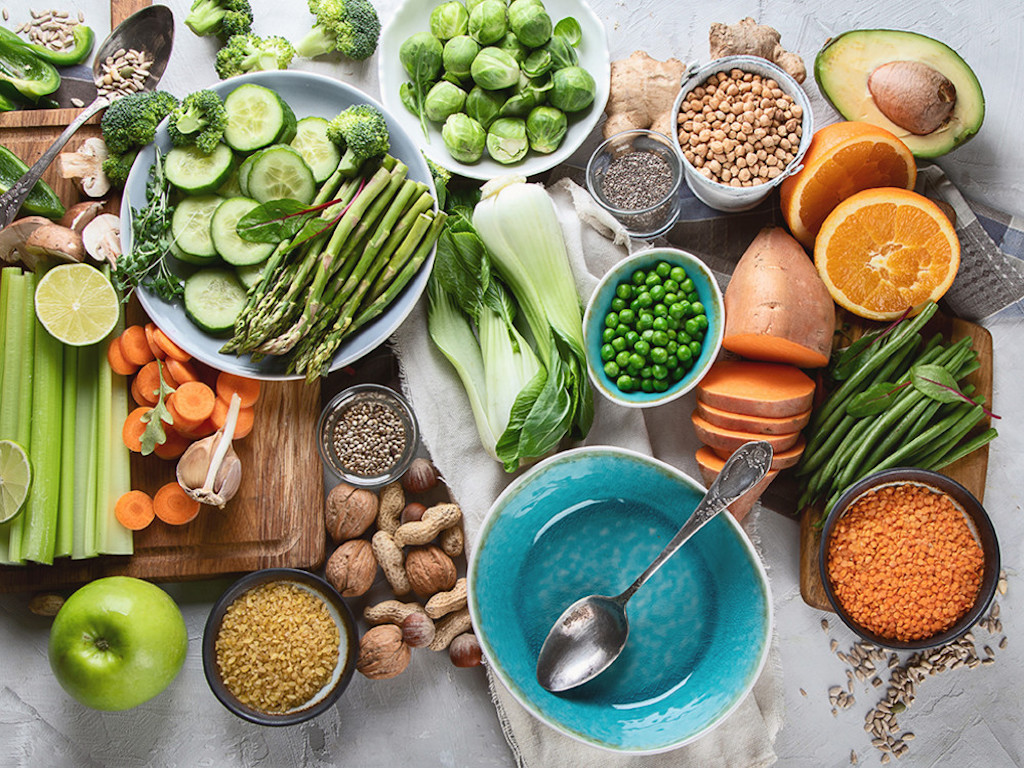
Why Misinformation Is Dangerous
Claims that food alone can “kill cancer” can:
-
Delay proper medical treatment
-
Create false hope
-
Lead to preventable harm
Responsible health information empowers people without misleading them.
The Role of Diet in Cancer Care
For individuals undergoing cancer treatment, diet can:
-
Improve energy levels
-
Support recovery
-
Reduce treatment side effects
-
Enhance quality of life
Nutrition works best alongside medical care, not instead of it.
A Smarter Way to Think About Food and Cancer
Think of food as:
-
A long-term defense system
-
A support structure for the immune system
-
A way to reduce risk and strengthen recovery
Not as a cure—but as consistent protection.
Final Thought
Cancer is complex. It does not disappear because of a single food or habit. But your daily choices do matter.
Eating nutrient-dense, anti-inflammatory foods helps your body: