The Truth About the Link Between Coffee and Liver Cancer
Coffee is one of the most widely consumed beverages in the world. For decades, it has been blamed for everything from heart problems to sleep disorders. However, modern scientific research has revealed a surprising and counter-intuitive truth: coffee may actually protect the liver rather than harm it—including reducing the risk of liver cancer.
So what is the real relationship between coffee and liver cancer? The answer is more nuanced, and far more hopeful, than many people realize.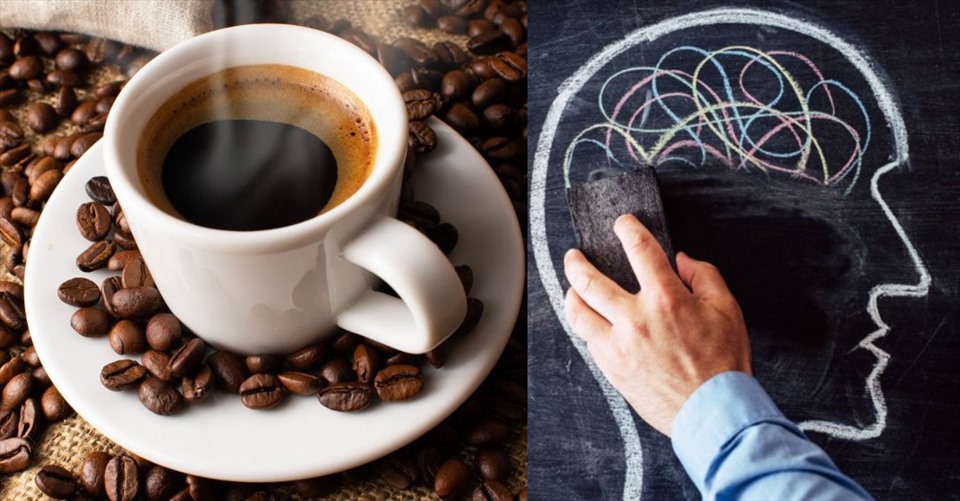
Understanding Liver Cancer
Liver cancer, particularly hepatocellular carcinoma, often develops silently. In its early stages, it may show few or no symptoms. Major risk factors include:
-
Chronic hepatitis B or C
-
Alcohol-related liver disease
-
Fatty liver disease
-
Cirrhosis
-
Long-term inflammation of the liver
Because the liver plays a central role in detoxifying the body, damage tends to accumulate over time. Prevention, therefore, is critical.
What Science Says About Coffee and the Liver
Contrary to old myths, numerous large-scale studies have found that regular coffee consumption is associated with a lower risk of liver cancer.
Researchers across different countries and populations have consistently observed that people who drink coffee tend to have:
-
Lower rates of chronic liver disease
-
Reduced progression to cirrhosis
-
Decreased incidence of liver cancer
This protective effect has been noted in both caffeinated and decaffeinated coffee, suggesting that caffeine alone is not the key factor.
Why Coffee May Protect the Liver
Coffee is a complex mixture of biologically active compounds. Some of the most important include:
1. Antioxidants
Coffee contains powerful antioxidants that help reduce oxidative stress in liver cells. Oxidative damage is a major contributor to inflammation and cancer development.
2. Anti-Inflammatory Compounds
Chronic inflammation is a driving force behind liver scarring and cancer. Coffee appears to reduce inflammatory markers in the liver, slowing long-term damage.
3. Improved Liver Enzyme Levels
Regular coffee drinkers often show healthier levels of liver enzymes in blood tests, indicating less ongoing liver injury.
4. Reduced Fat Accumulation
Some studies suggest coffee may help limit fat buildup in the liver, lowering the risk of fatty liver disease—a major precursor to liver cancer.
How Much Coffee Is Beneficial?
Most research suggests benefits appear with moderate consumption, commonly defined as:
-
2 to 4 cups per day
Drinking coffee in this range has been linked to the strongest protective effects. More is not necessarily better, and excessive intake can cause other health issues such as anxiety or sleep disruption.
Does Coffee Cure or Prevent Liver Cancer?
It is important to be clear:
Coffee is not a cure, and it is not a guaranteed shield against cancer.
However, evidence strongly suggests it can be a protective lifestyle factor, especially when combined with:
-
Reduced alcohol intake
-
A balanced diet
-
Regular medical monitoring
-
Management of viral hepatitis
Coffee works best as part of an overall liver-friendly lifestyle.
Who Benefits the Most?
Studies show that coffee’s protective effects are especially noticeable in people who already have higher liver risk, such as:
-
Individuals with chronic liver disease
-
People with fatty liver
-
Those with long-term inflammation
In these groups, coffee consumption has been associated with slower disease progression and lower cancer risk.
Common Myths About Coffee and Liver Health
“Coffee damages the liver.”
This belief is outdated. Modern evidence overwhelmingly contradicts it.
“Only black coffee is beneficial.”
While black coffee is ideal, moderate additions do not completely cancel benefits.
“Coffee can replace medical treatment.”
False. Coffee supports liver health but does not replace medical care.
Who Should Be Cautious?
Although coffee is generally safe, some individuals should moderate intake, including those who:
-
Are sensitive to caffeine
-
Have uncontrolled high blood pressure
-
Experience severe acid reflux
For these individuals, decaffeinated coffee may still offer liver benefits.
What This Means for Everyday Life
For most adults, enjoying coffee in moderation is not only safe—it may be beneficial for long-term liver health. Instead of viewing coffee as a guilty habit, it may be more accurate to see it as a protective dietary choice when consumed responsibly.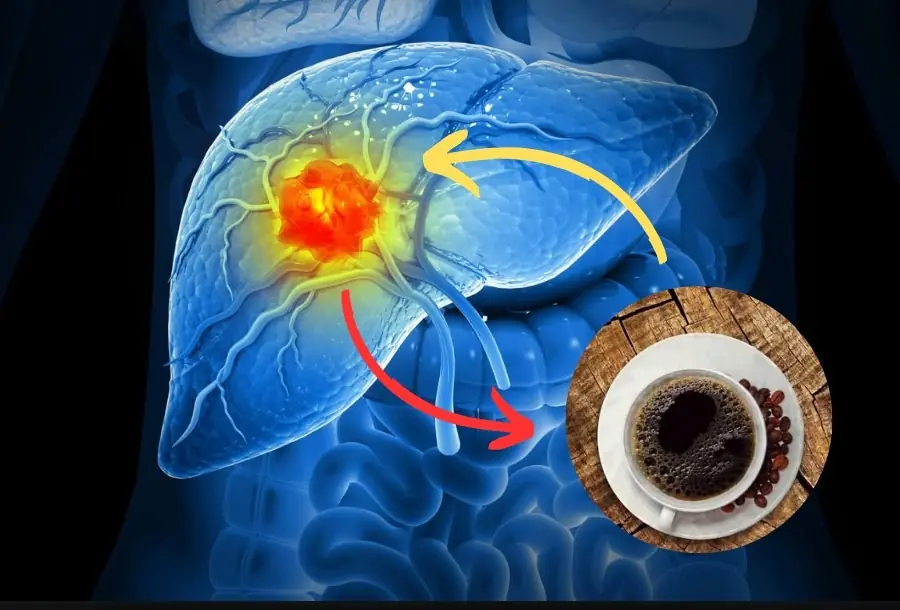
Final Thought
The idea that coffee causes liver cancer is a myth rooted in outdated assumptions. Current science tells a very different story.
Coffee does not increase liver cancer risk.
In many cases, it appears to lower it.
As with most things in health, balance matters. When paired with healthy habits, coffee may quietly support one of the body’s most vital organs—the liver.
Sometimes, the truth is not what we fear,
but what we have misunderstood.