Doctors Say Don’t Eat These 4 Fridge Foods, Even If You’re Hungry
Doctors are warning people to think twice before eating certain forgotten foods sitting in the refrigerator, saying some items may carry dangerous bacteria, toxins, and potential long-term health risks if stored improperly or kept too long.
Health experts say many people assume refrigerated food is automatically safe, but some foods can quickly become harmful once they spoil — even if they still look edible.
Here are four fridge foods doctors say you should avoid eating once they’ve been left too long:

1. Leftover Cooked Vegetables
Cooked leafy greens such as spinach, bok choy, and cabbage can become risky if stored for several days. Experts warn that improper storage may allow nitrate compounds to change into harmful substances over time.
Doctors recommend eating cooked vegetables fresh and reheating leftovers thoroughly only once.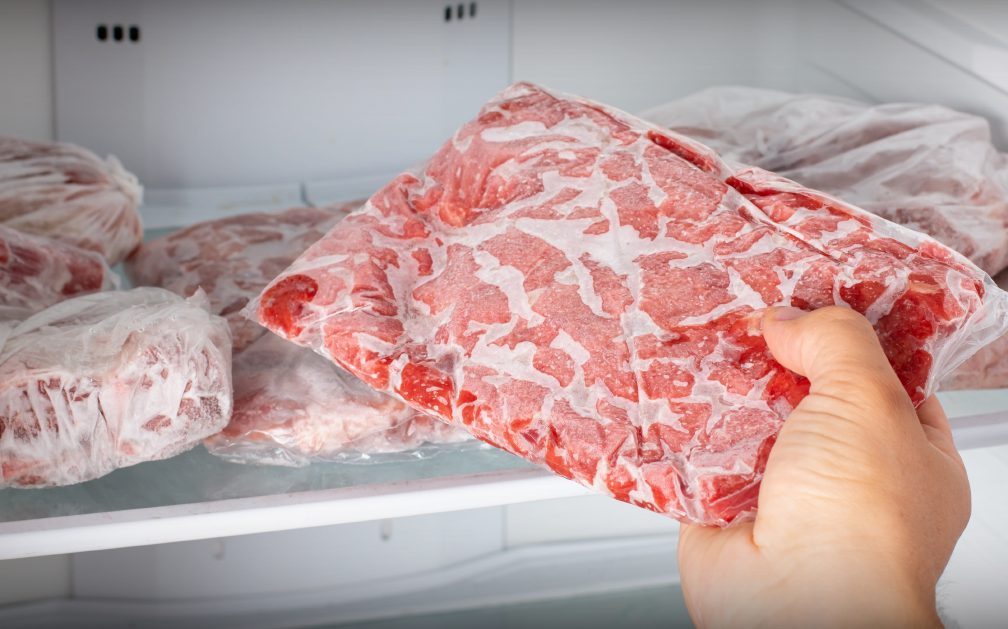
2. Frozen Meat with Ice Crystals or Freezer Burn
Meat that has been frozen for too long may develop freezer burn, strange odors, discoloration, or excessive ice crystals. While some freezer-burned food may not always be dangerous, spoiled meat can contain bacteria that increase the risk of food poisoning.
Experts advise throwing away meat that smells sour, feels slimy, or changes color.
3. Processed Meats
Old sausages, deli meats, smoked meats, and processed leftovers can become breeding grounds for harmful bacteria if kept beyond recommended storage times.
Doctors also warn that processed meats have been linked in multiple studies to a higher risk of colorectal cancer when consumed excessively over long periods.
4. Spoiled Seafood
Seafood is highly perishable and can quickly become dangerous if not stored properly. Rotten shrimp, shellfish, squid, or fish may carry toxins and bacteria that can cause severe digestive illness.
Experts say seafood with a strong odor, mushy texture, or unusual appearance should be discarded immediately.
Doctors emphasize that food safety plays a major role in preventing digestive diseases and infections. They recommend regularly checking expiration dates, storing foods at safe temperatures, and avoiding the temptation to eat questionable leftovers simply to avoid waste.
“When in doubt, throw it out,” many food safety experts advise.