"My Son Woke Up With a Painful Lump on His Neck”: What Parents Should Know
A mother was left frightened after her son suddenly developed a painful lump on the side of his neck overnight. With the pediatrician’s office closed for the weekend, she turned online for advice — and doctors say many parents face the same scary situation.
According to medical experts, sudden neck lumps in children are often caused by swollen lymph nodes. These lymph nodes can become enlarged when the body is fighting common infections such as colds, sore throats, ear infections, or viruses.
Doctors explain that a small lump that feels soft, movable, and only mildly tender is usually not an emergency, especially if the child is otherwise acting normal. Parents are advised to stay calm, monitor the lump closely, and compare both sides of the child’s neck for changes.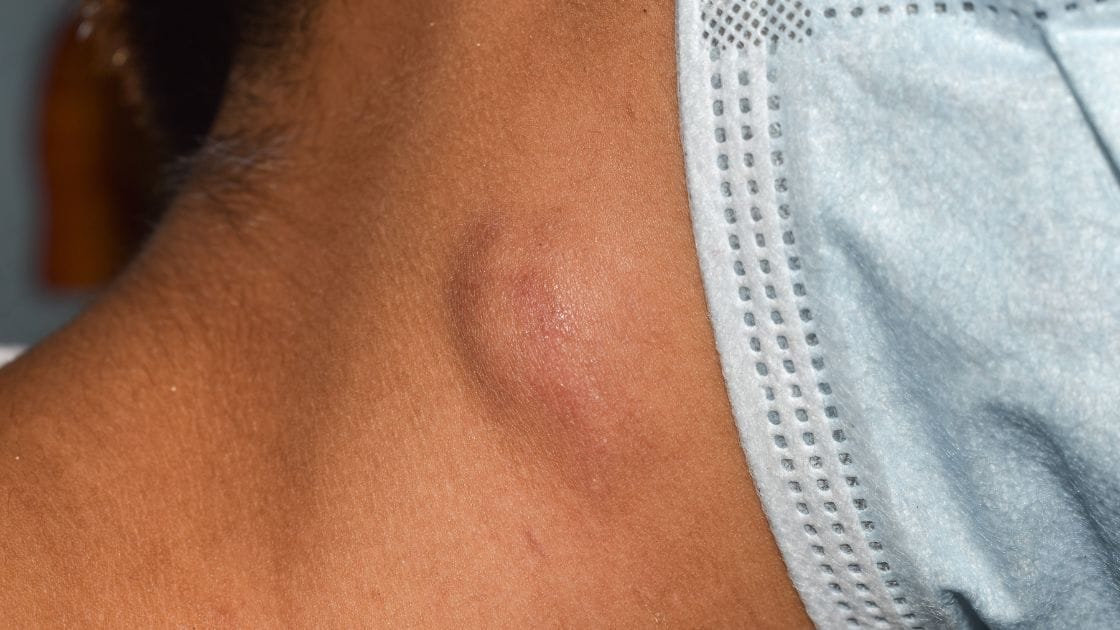
However, experts warn there are several red flags that should never be ignored.
Parents should seek emergency medical care immediately if the child has:
- Trouble breathing or swallowing
- Drooling
- High fever
- Rapid swelling
- Severe pain
- A hard, fixed lump that does not move
Until medical care is available, doctors recommend focusing on comfort measures such as warm compresses, hydration, rest, and proper weight-based pain relief medication.
Experts also strongly warn parents not to squeeze, poke, or attempt to “pop” the lump at home, as this could worsen the condition or lead to infection.
While most neck lumps in children turn out to be harmless and temporary, doctors say parents should trust their instincts and seek urgent care, telehealth, or nurse hotlines if they are uncertain.
“You’re not overreacting by asking for help,” one pediatric expert explained. “You’re protecting your child.”