Waking up once during the night is normal. But if it happens repeatedly every night, at nearly the same times - it can leave you exhausted, unfocused, and frustrated the next day. Many people assume poor sleep is just part of aging or stress, but in reality, small daily habits often play a much bigger role than expected.
The good news? Improving sleep quality usually doesn’t begin with complicated solutions. It starts with understanding what may be disrupting your body’s natural sleep cycle.
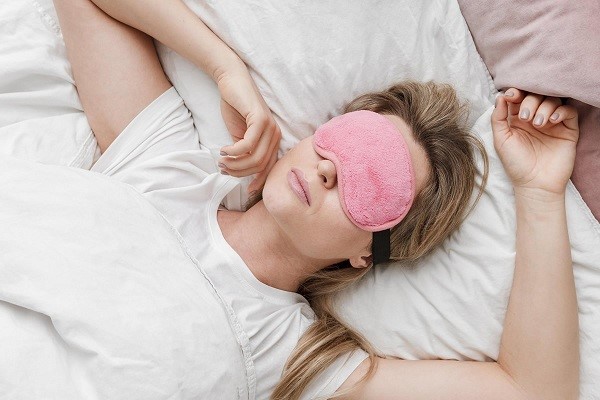
🧠 Why You Keep Waking Up at Night
Sleep is controlled by a complex interaction between:
- Hormones
- Body temperature
- Stress levels
- Light exposure
- Digestion and circulation
When one of these systems gets disrupted, sleep becomes lighter and easier to interrupt.
🌙 Common Reasons You Wake Up Multiple Times
☕ 1. Caffeine Too Late in the Day
Many people underestimate how long caffeine stays in the body.
Coffee, tea, energy drinks, and even chocolate can affect sleep for 6–8 hours or longer.
Signs:
- Falling asleep is easy, but staying asleep is hard
- Feeling “alert” during nighttime awakenings
What helps:
Avoid caffeine in the afternoon and evening.
📱 2. Too Much Screen Time Before Bed
Phones, tablets, and TVs emit blue light that interferes with melatonin - the hormone that helps regulate sleep.
Result:
- Lighter sleep
- More nighttime awakenings
- Difficulty returning to sleep
Better habit:
Reduce screens at least 30–60 minutes before bed.
🍽️ 3. Eating Too Late at Night
Heavy meals close to bedtime can:
- Increase digestion activity
- Trigger acid reflux
- Raise body temperature
All of these can interrupt sleep.
Best approach:
Finish large meals 2–3 hours before bedtime.

💧 4. Drinking Too Much Before Sleep
This is one of the biggest causes of waking up repeatedly.
Especially problematic:
- Alcohol
- Large amounts of water
- Tea or caffeine at night
Tip:
Reduce fluid intake 1–2 hours before bed.
😰 5. Stress and Overthinking
The body may be tired—but the brain stays active.
Stress increases cortisol, making sleep:
- Lighter
- Easier to interrupt
- Less restorative
🛏️ Simple Habits That Can Improve Sleep Quality
✔️ Keep a Consistent Sleep Schedule
Going to bed and waking up at similar times helps regulate your internal clock.
Even weekends matter.
✔️ Make Your Room Cooler
A slightly cooler room supports deeper sleep because body temperature naturally drops at night.
✔️ Use Low Lighting at Night
Dim lighting helps signal the brain that it’s time to rest.
✔️ Get Morning Sunlight
Natural morning light helps regulate circadian rhythm and improves nighttime melatonin production.
✔️ Move More During the Day
Regular physical activity:
- Improves sleep depth
- Reduces stress
- Helps the body feel naturally tired at night
Even walking helps.
🌿 Natural Relaxation Habits Before Bed
🧘 Deep Breathing or Stretching
Just 5–10 minutes can calm the nervous system.
🍌 Light Sleep-Friendly Snacks
Examples:
- Banana
- Yogurt
- Warm milk
Avoid sugary snacks late at night.
📖 Quiet Activities
Reading or listening to calm audio can help transition the brain into sleep mode.
🚨 When Nighttime Wake-Ups May Signal Something More
Frequent waking can sometimes be linked to:
- Sleep apnea
- Anxiety
- Blood sugar imbalance
- Bladder issues
- Chronic pain
Seek medical advice if:
- You wake gasping for air
- Snore heavily
- Feel exhausted despite sleeping
- Wake up many times every night for weeks
🧠 What Your Body Is Trying to Tell You
Repeated nighttime awakenings are often a sign that:
- Your nervous system is overstimulated
- Your routine is disrupting sleep rhythm
- Your body isn’t fully relaxing during the night
Sleep problems are rarely random.

💡 Final Thoughts
Improving sleep usually doesn’t require extreme changes. Often, the biggest improvements come from:
- Better timing
- More consistency
- Reducing stimulation before bed
Because quality sleep isn’t just about how long you sleep - it’s about how deeply your body is able to rest and recover.
And sometimes, a few small daily habits can completely change the way you sleep at night.