Two Warning Signs of a “Silent Killer” You Might Notice in Your Feet
Your feet can reveal more about your health than you think. Changes in nails, skin, or sensation are often dismissed as minor issues—but sometimes, they are early warning signs of deeper problems, including circulatory disease or diabetes.
Let’s decode what these signals actually mean—no hype, just facts that matter.
Why Your Feet Matter More Than You Think

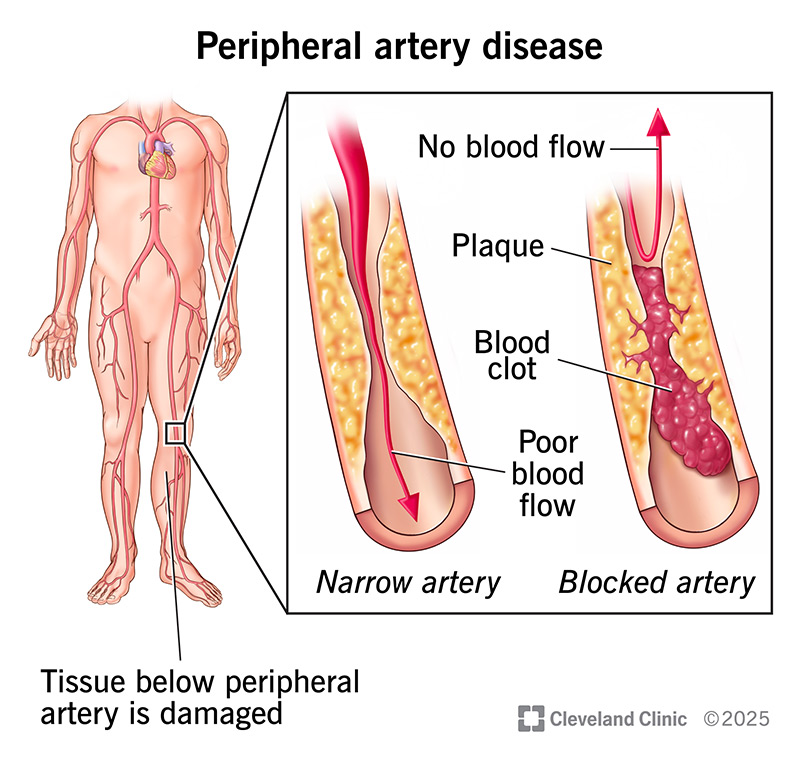
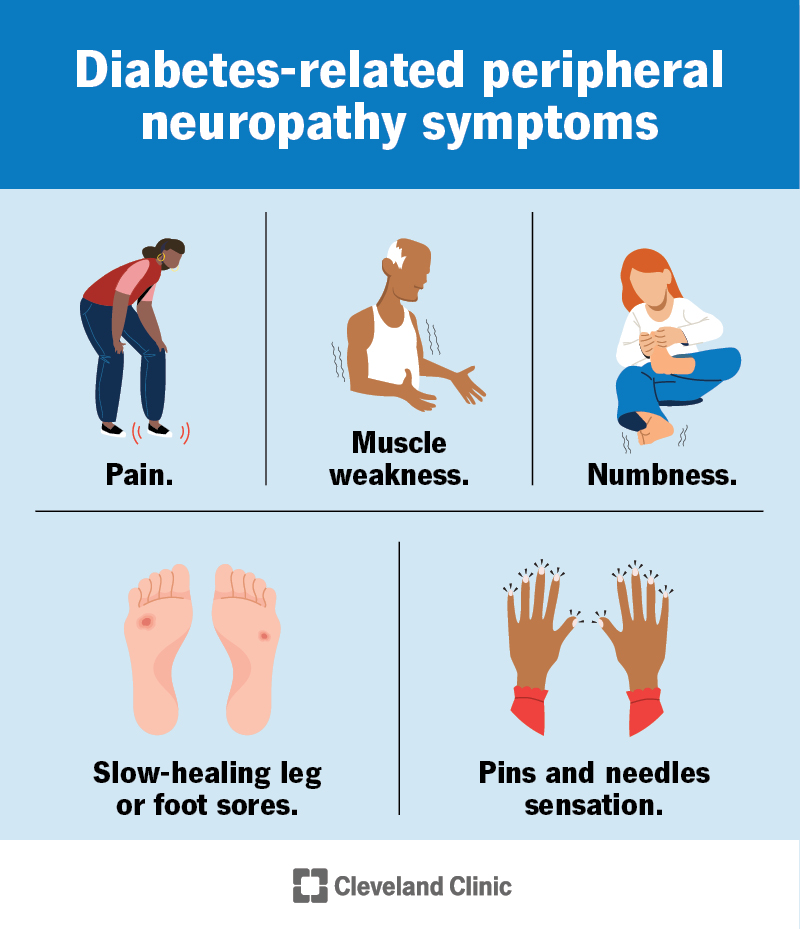
Your feet are the farthest point from your heart, so they are often the first place where poor circulation or nerve damage shows up.
When something goes wrong, your body may show signs here before anywhere else.
Sign 1: Thick, Yellow, or Brittle Toenails
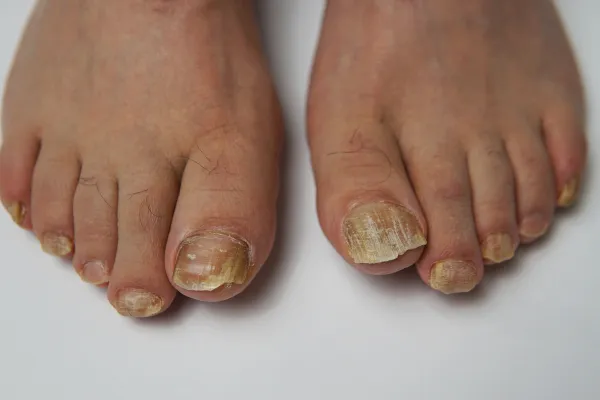
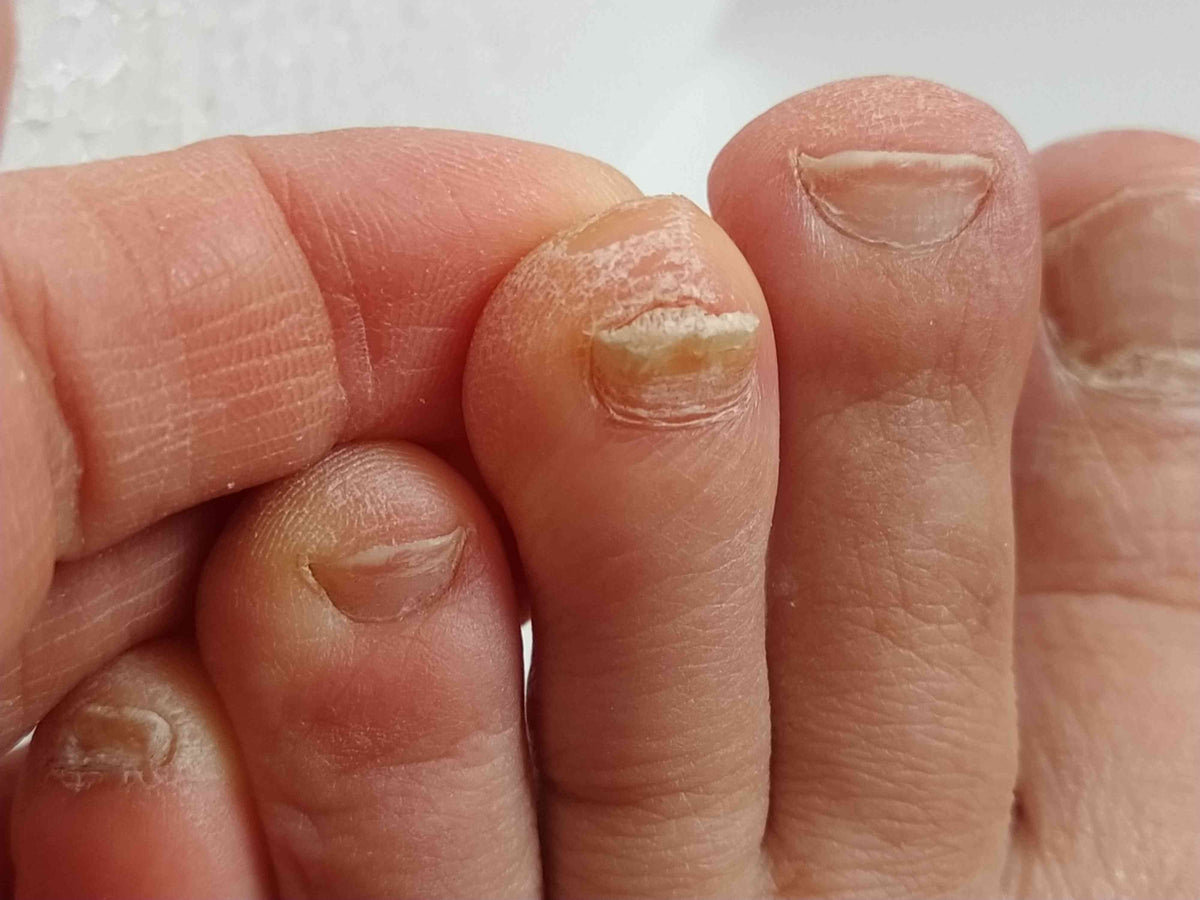
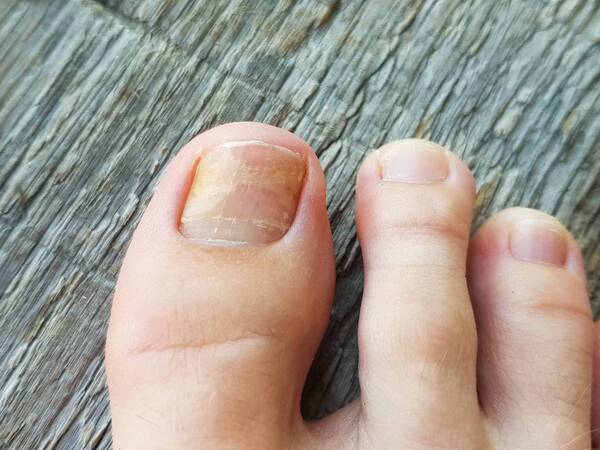
At first glance, this may look like a simple fungal infection—and often, it is.
But in some cases, persistent nail changes may also be linked to:
- Poor blood circulation
- Diabetes-related complications
- Reduced oxygen and nutrient supply to the nails
What to watch for:
- Nails becoming unusually thick or hard
- Yellow, brown, or white discoloration
- Nails that crumble or separate
Sign 2: Skin Changes, Redness, or Unusual Spots

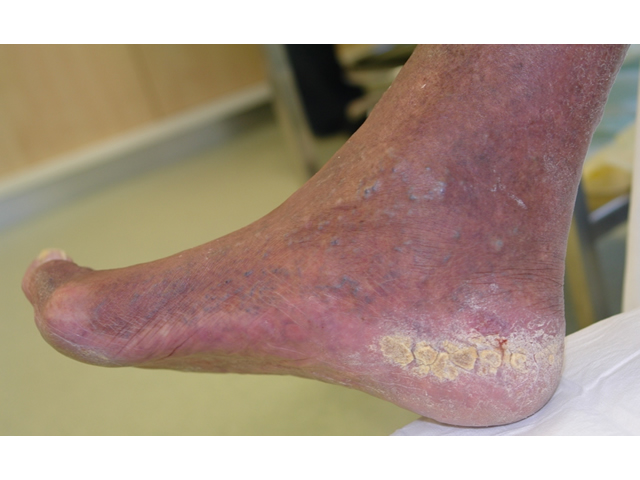
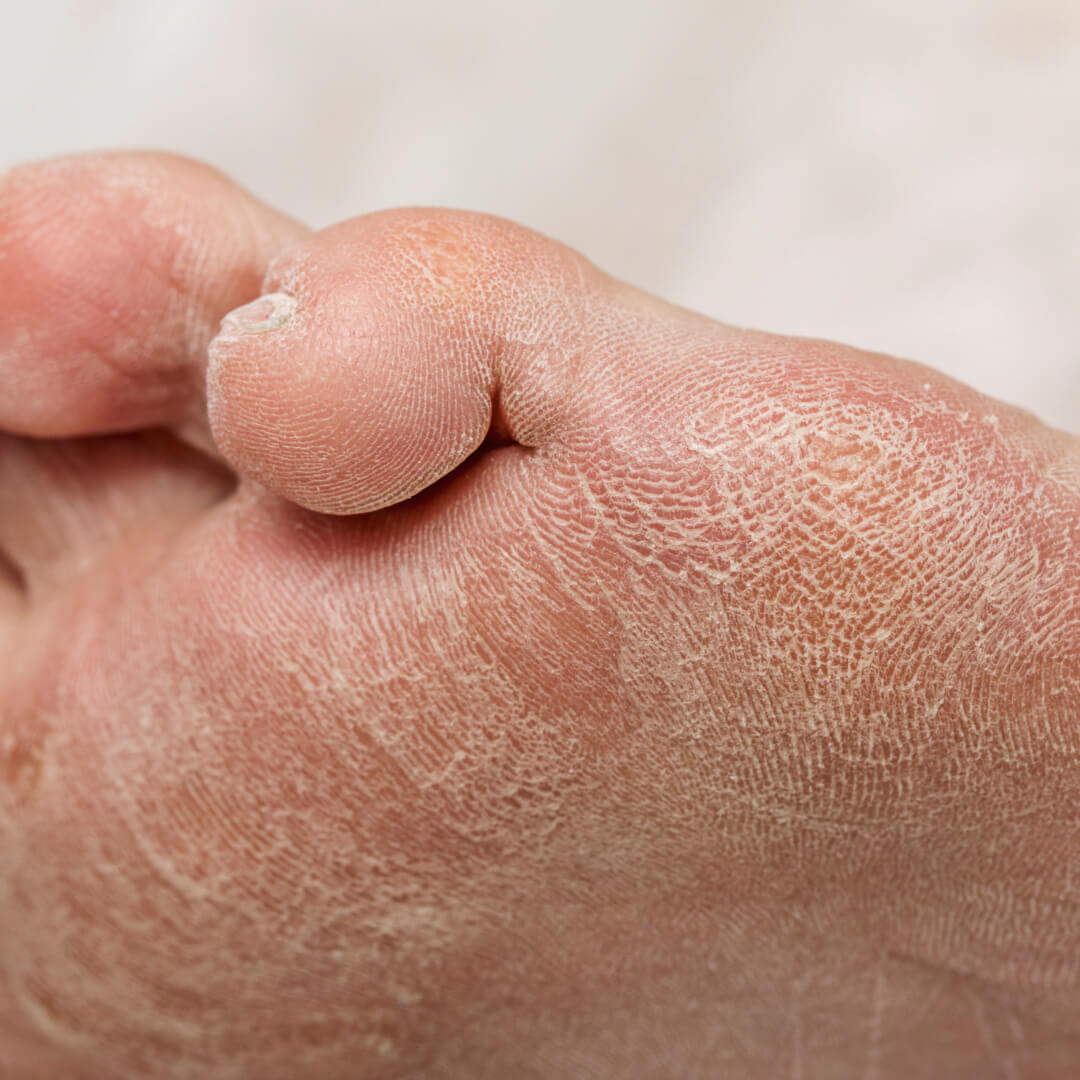
Skin on the feet can reveal circulation and nerve issues.
Warning signs include:
- Persistent redness or dark spots
- Dry, cracked skin that won’t heal
- Small wounds or sores healing slowly
These may indicate:
- Peripheral artery disease (PAD)
- Diabetic neuropathy
- Reduced healing capacity
What’s the “Silent Killer” Behind These Signs?
Conditions often linked to these symptoms include:
- Diabetes (nerve damage + poor healing)
- Cardiovascular disease (reduced blood flow)
- Peripheral artery disease (blocked arteries in the legs)
They’re called “silent” because they develop gradually without obvious early symptoms.
Reality Check
Let’s keep it real:
- Not every nail change = serious disease
- Not every rash = circulation problem
But if symptoms are persistent, worsening, or combined, they shouldn’t be ignored.
Who Should Pay Extra Attention?
- People with diabetes
- Smokers
- Those with high blood pressure or cholesterol
- Individuals with sedentary lifestyles
What You Should Do
- Check your feet regularly
- Keep them clean and moisturized
- Wear proper footwear
- Seek medical advice if something doesn’t improve
Final Thoughts
Your body rarely sends signals without a reason.
Feet might seem like the last place to look—but sometimes, they’re the first place problems appear.
Noticing small changes early can prevent much bigger issues later.