Pain in These 3 Areas? It Could Be a Warning Sign of Lung Cancer
When people think about lung cancer, they often imagine symptoms like persistent coughing or difficulty breathing. But the reality is more complex—and more subtle. In many cases, the body sends early warning signals through pain in unexpected areas, long before classic symptoms appear.
Understanding these signals could make a critical difference.
Why Lung Cancer Can Cause Pain Outside the Lungs


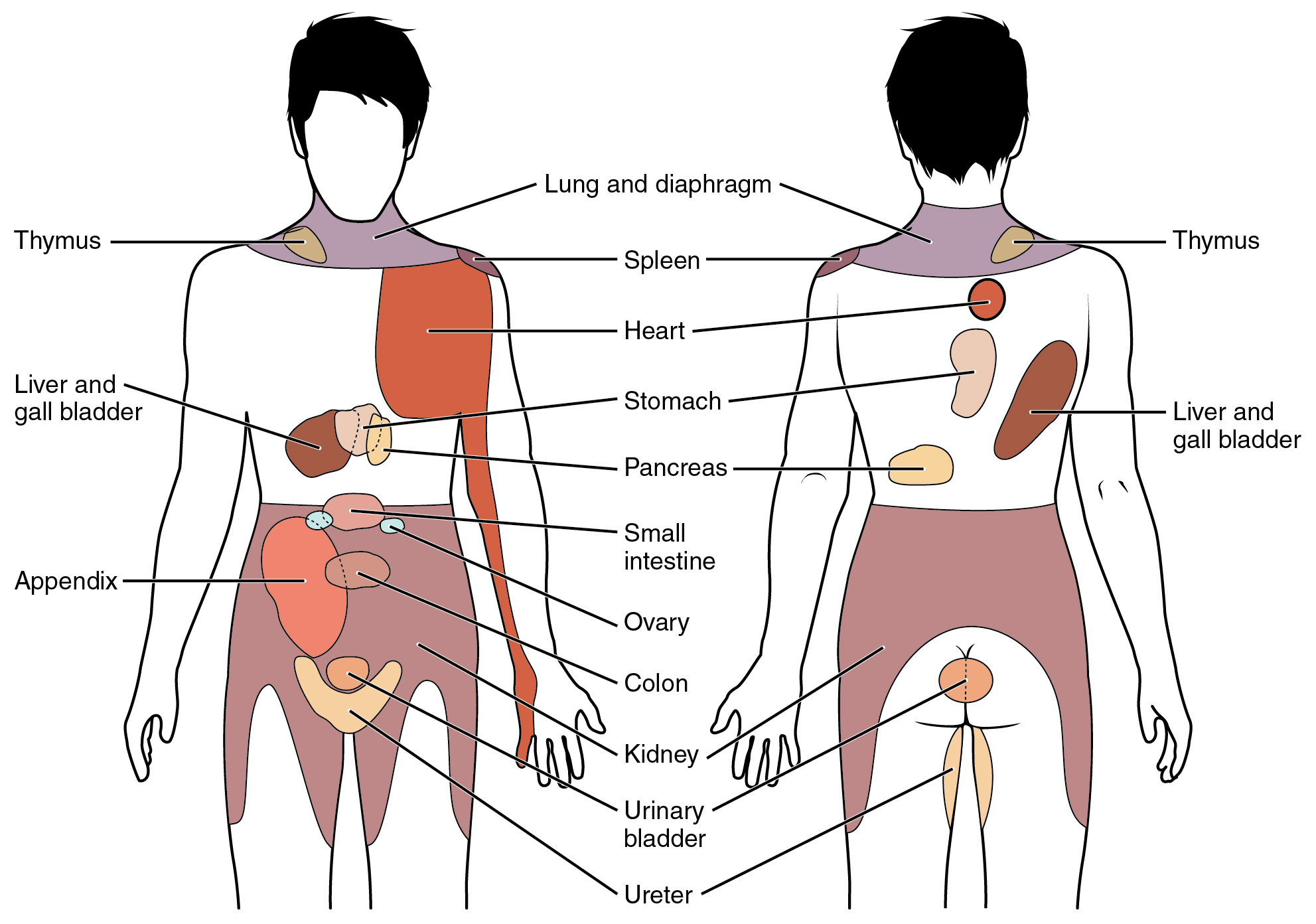
Lungs themselves don’t have many pain receptors. However, lung tumors can:
- Press on nearby nerves
- Spread to surrounding tissues
- Cause inflammation in the chest and upper body
This leads to what’s known as referred pain—pain felt in areas not directly linked to the lungs.
1. Shoulder Pain That Won’t Go Away



Persistent shoulder pain is often dismissed as muscle strain or poor posture. But in some cases, especially with tumors located at the top of the lungs (known as Pancoast tumors), this pain can be a key warning sign.
What makes it suspicious:
- Pain that doesn’t improve with rest
- No clear injury or physical cause
- Pain radiating down the arm
This happens because the tumor affects nerves that connect to the shoulder and arm.
2. Chest Pain That Feels Deep and Persistent
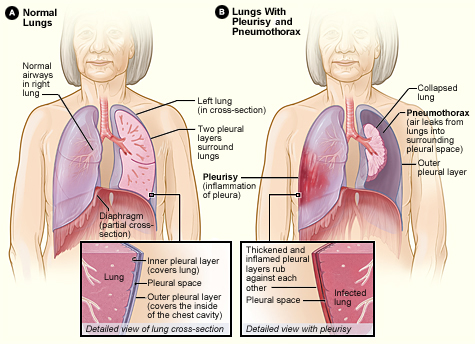


Chest pain linked to lung issues often feels:
- Deep and aching
- Worse when breathing deeply or coughing
- Persistent over time
Unlike heart-related chest pain, this type may not come and go—it tends to linger and gradually worsen.
3. Upper Back Pain (Between Shoulder Blades)

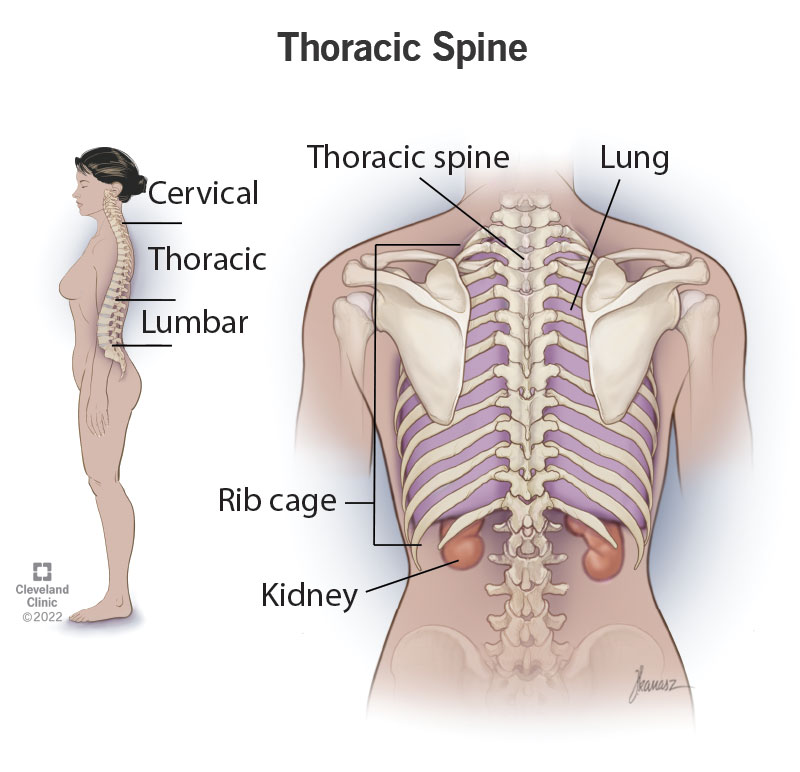

Pain in the upper back is another commonly overlooked symptom.
Why it happens:
- Tumors press against the spine or ribs
- Nerve pathways transmit pain signals to the back
Red flags:
- Constant dull pain
- Not relieved by stretching or massage
- Occurs alongside fatigue or weight loss
Important Reality Check
Let’s keep this grounded:
Most shoulder, chest, or back pain is NOT lung cancer.
Common causes include:
- Muscle strain
- Poor posture
- Stress
- Minor injuries
However, what matters is pattern and persistence.
When Should You Be Concerned?
Seek medical attention if pain is:
- Persistent for weeks
- Getting progressively worse
- Unexplained by physical activity
- Accompanied by symptoms like:
- Chronic cough
- Shortness of breath
- Unintentional weight loss
- Fatigue
Early detection significantly improves outcomes.
Who Is at Higher Risk?
- Smokers or former smokers
- People exposed to secondhand smoke
- Individuals exposed to pollutants or chemicals
- Family history of lung disease
Prevention Still Matters Most
- Avoid smoking and secondhand smoke
- Maintain good air quality
- Exercise regularly
- Get routine health check-ups
Final Thoughts
The body rarely stays silent when something is wrong—it just doesn’t always speak in obvious ways.
Pain in the shoulder, chest, or upper back may seem ordinary, but when it becomes persistent and unexplained, it deserves attention.
Awareness is not fear—it’s protection.