Gout Is Becoming More Common: Foods You Must Avoid to Prevent Painful Flare-Ups
Gout is no longer a rare condition associated only with older adults or the wealthy. Today, it is increasingly affecting younger individuals due to modern eating habits, sedentary lifestyles, and rising metabolic disorders.
If you’ve ever experienced gout, you already know—it’s not just “joint pain.” It’s sudden, intense, and often unbearable inflammation that can disrupt daily life.
Let’s break it down clearly: what gout is, why it happens, and most importantly, which foods can silently trigger painful attacks.
What Happens in Gout?

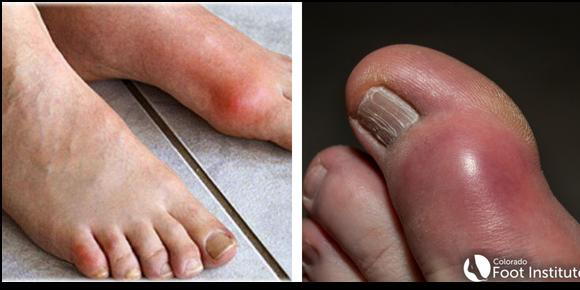

Gout occurs when there is too much uric acid in the blood. This leads to the formation of sharp crystals that deposit in joints—commonly the big toe, ankles, knees, and fingers.
These crystals trigger:
- Sudden swelling
- Intense pain
- Redness and warmth
- Limited joint movement
The key driver? Purines—natural substances found in many foods that break down into uric acid.
Why Diet Matters More Than You Think
Your body naturally produces uric acid, but diet plays a major role in how much accumulates.
When you consume high-purine foods:
- Uric acid levels spike
- Kidneys struggle to eliminate excess
- Crystals begin forming in joints
This is why food choices directly influence gout flare-ups.
Foods You Should Absolutely Avoid
1. Organ Meats – The Worst Trigger
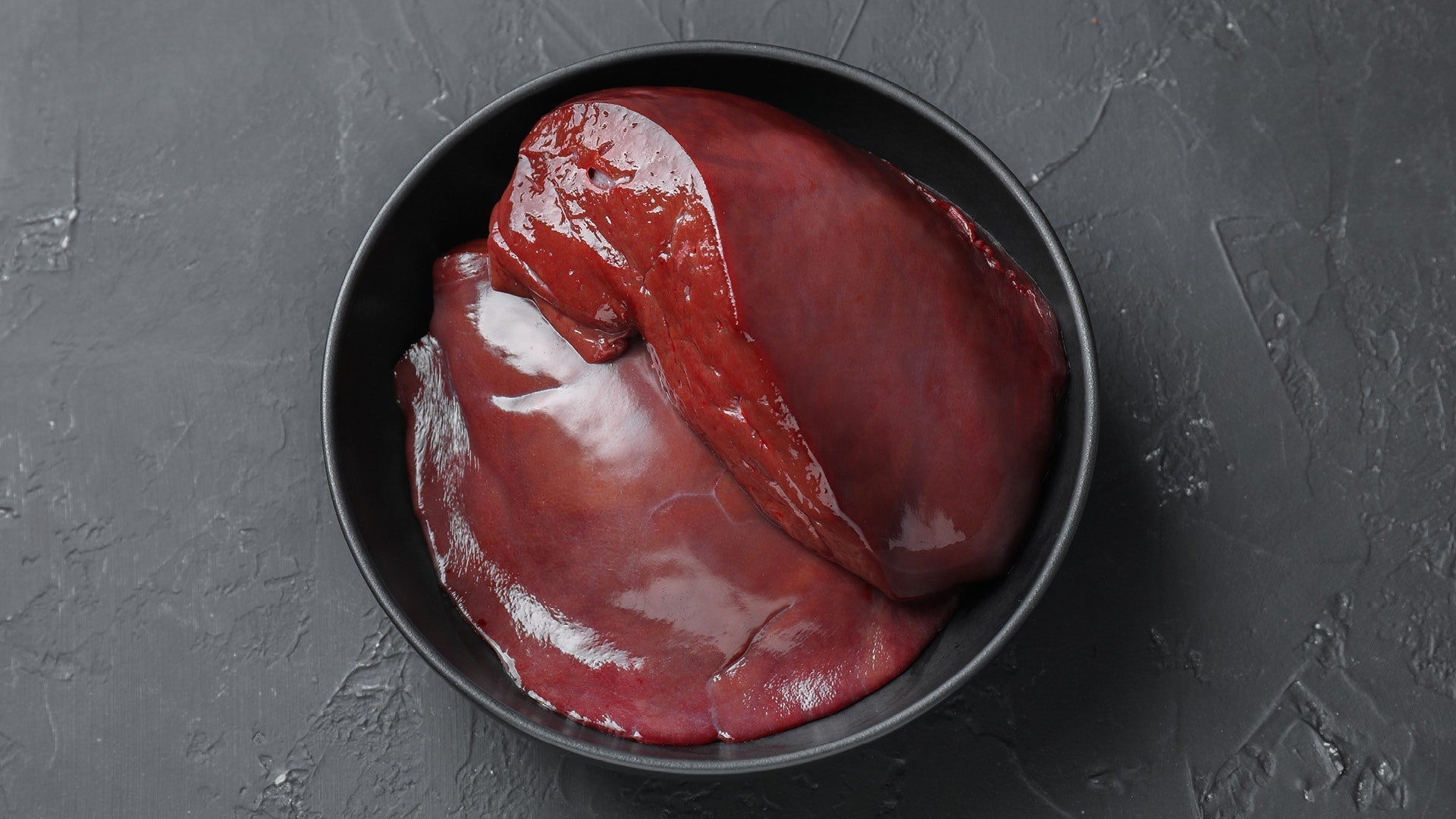

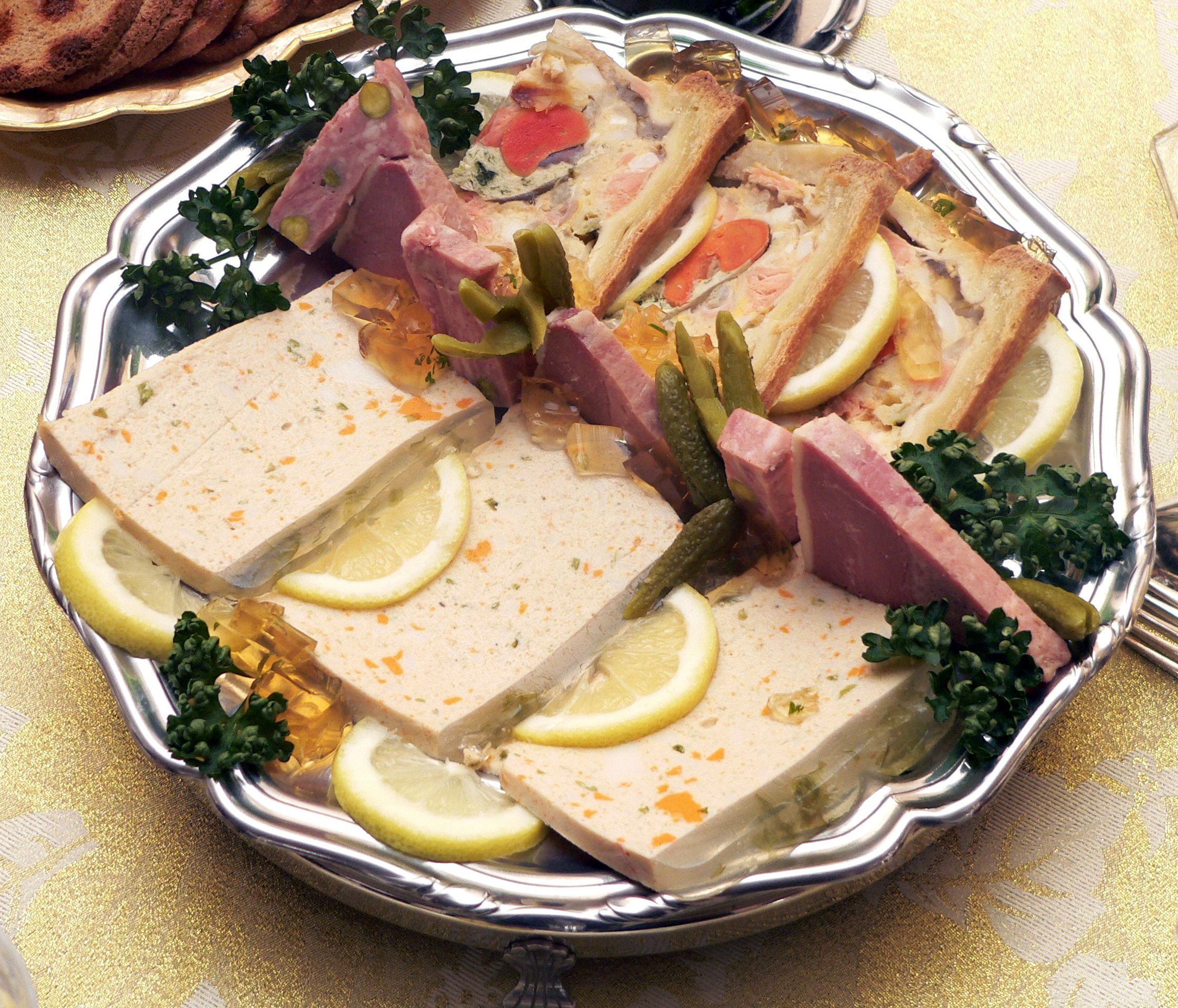
Liver, kidneys, and other organ meats are extremely high in purines.
Why dangerous:
- Rapidly increase uric acid levels
- Trigger sudden gout attacks
2. Red Meat – Consume With Caution
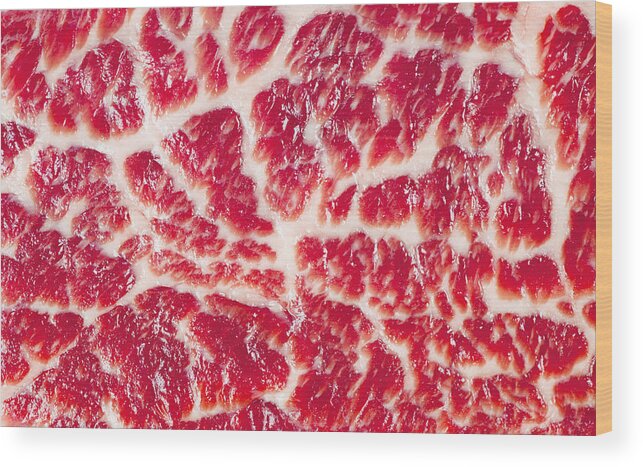
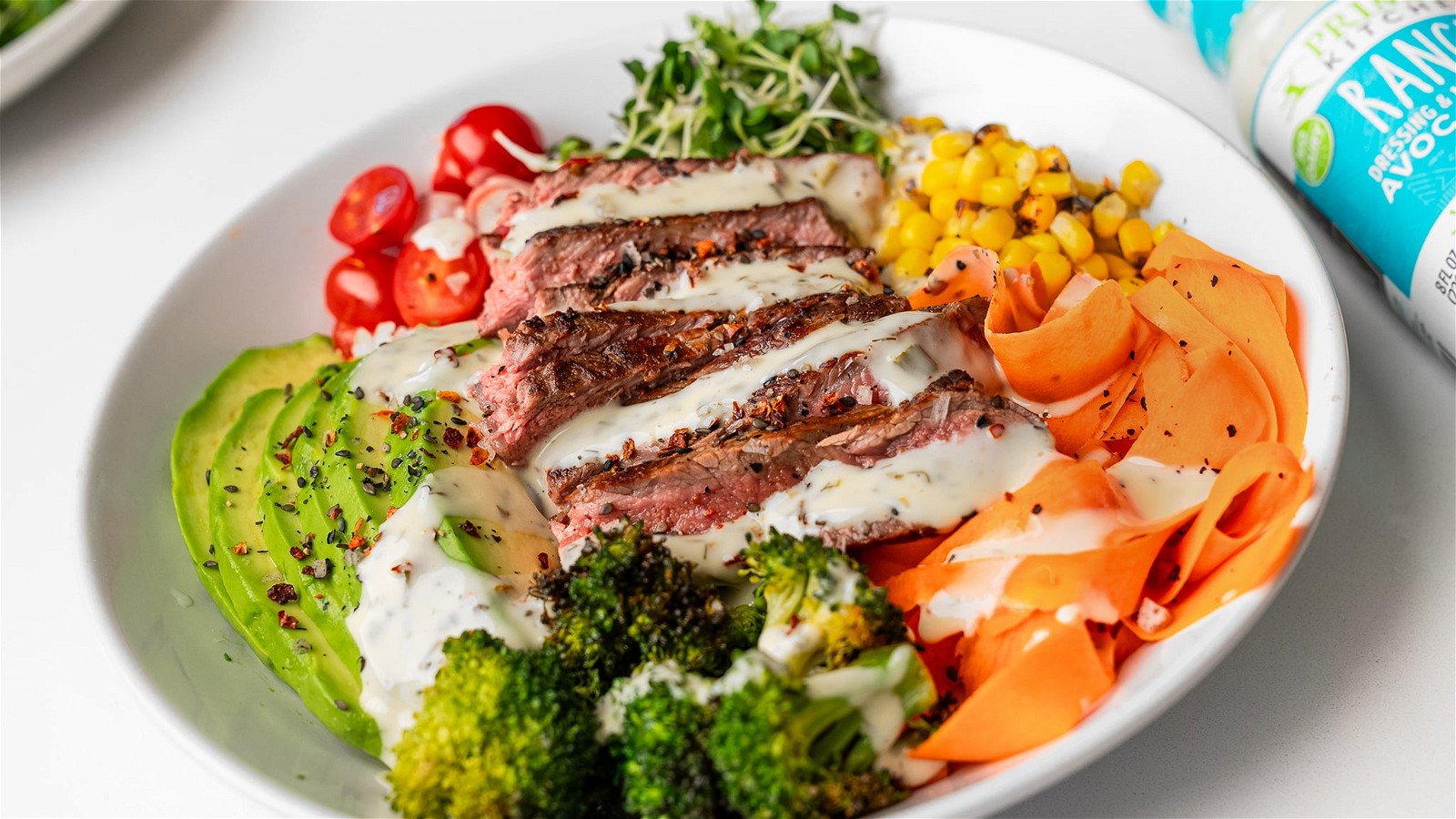

Beef, lamb, and pork contain moderate to high purine levels.
Impact:
- Increases uric acid production
- Can worsen inflammation
3. Seafood – Especially Shellfish
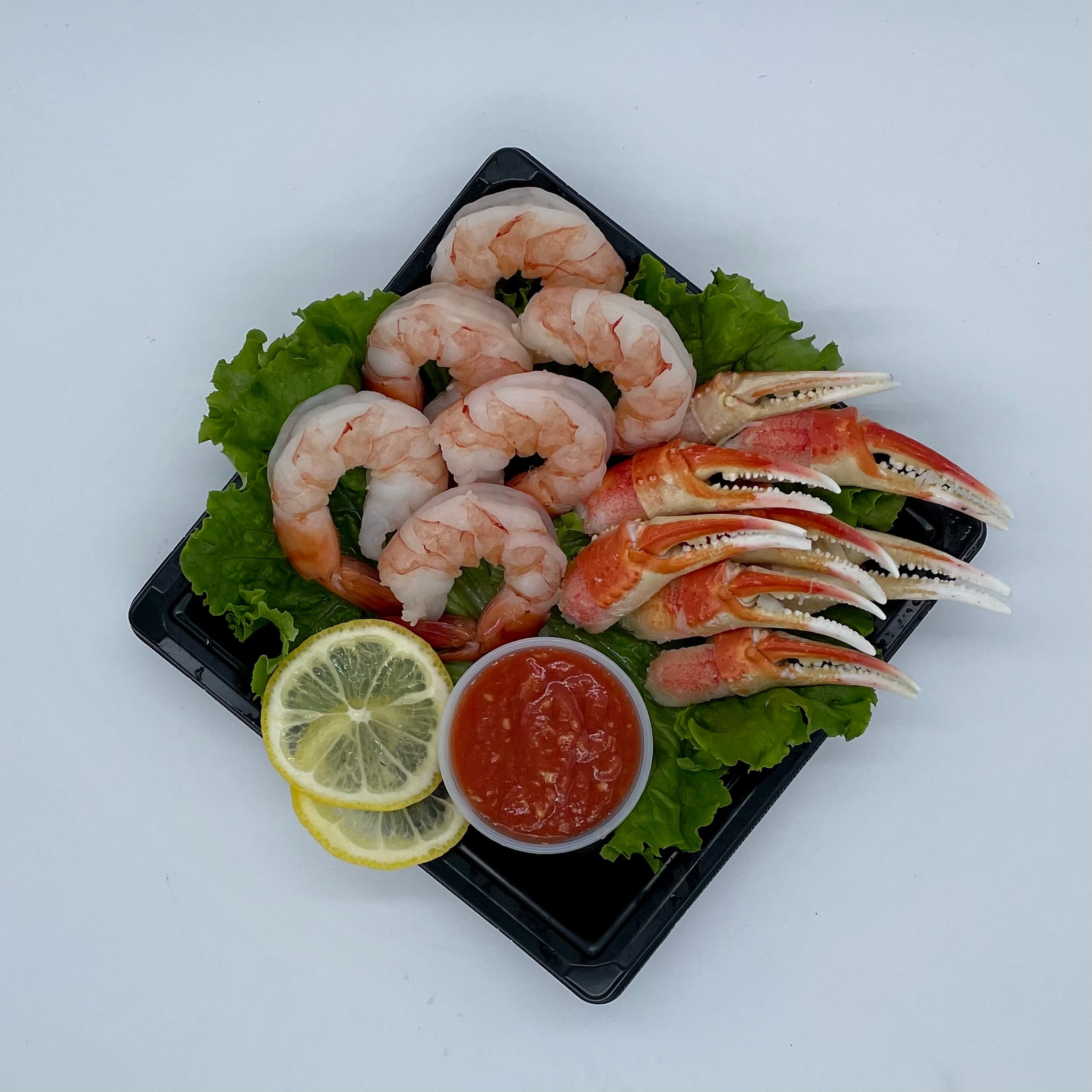


Certain seafood like shrimp, sardines, anchovies, and mussels are known triggers.
Effect:
- Sharp rise in uric acid
- Increased risk of flare-ups
4. Alcohol – A Major Hidden Cause


Alcohol—especially beer—interferes with uric acid elimination.
What happens:
- Reduces kidney function efficiency
- Causes uric acid buildup
5. Sugary Drinks – The Silent Enemy
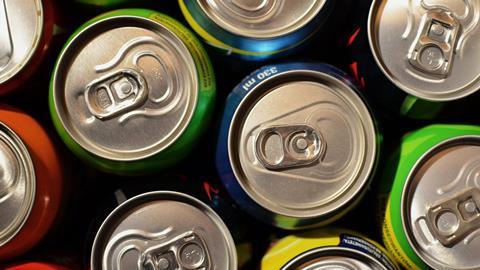

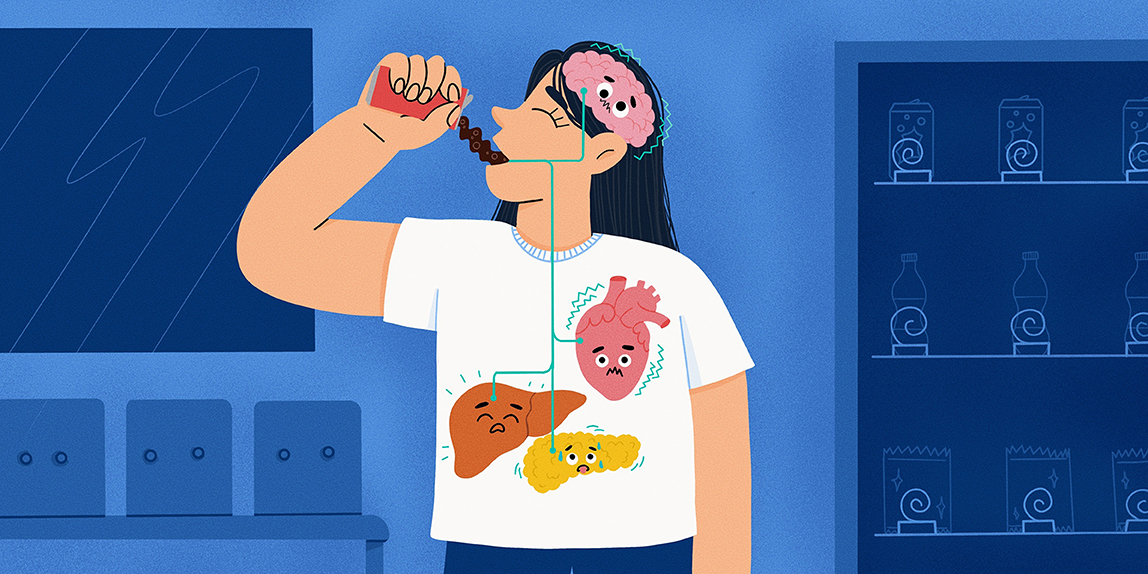
Drinks high in fructose (like soda and packaged juices) increase uric acid production.
Why it’s risky:
- Promotes metabolic imbalance
- Triggers gout attacks even in young people
6. Processed Foods – Double Trouble
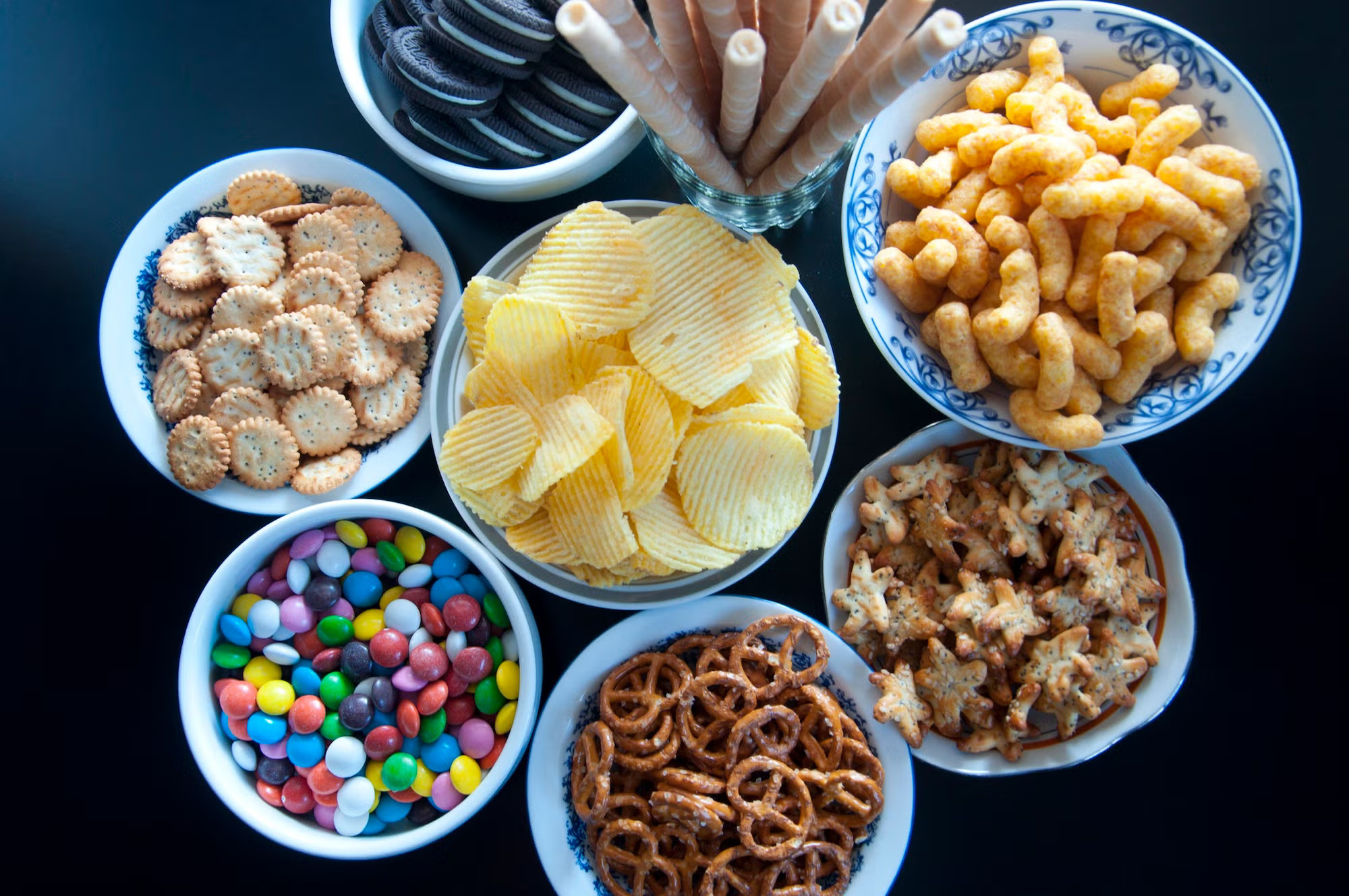

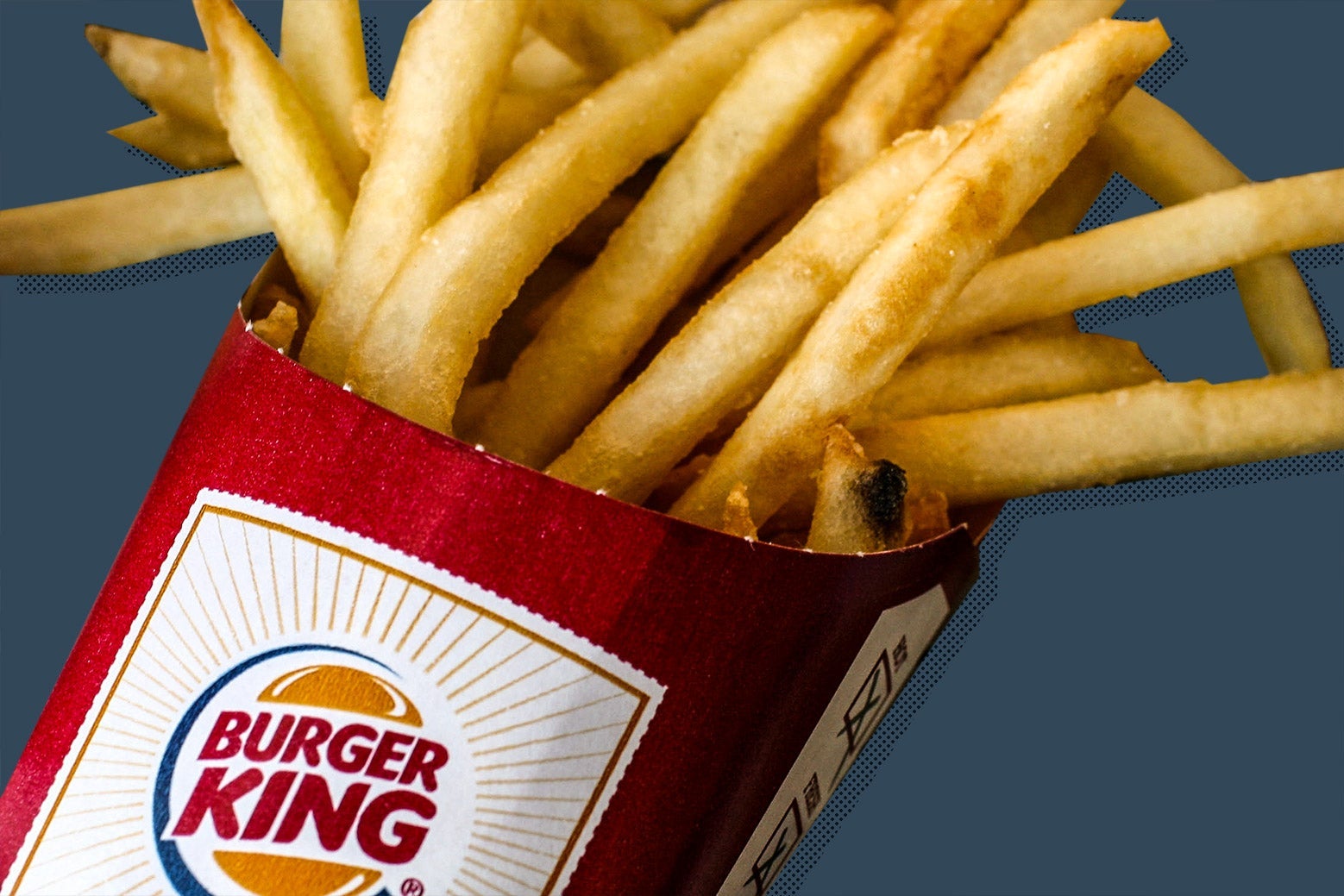
Processed foods often combine high purines + high sugar + unhealthy fats.
Result:
- Increased inflammation
- Poor kidney function
Foods That Are Safer Choices
While avoiding triggers is key, it’s equally important to know what to eat:
- Low-fat dairy products
- Whole grains
- Fresh vegetables
- Fruits (in moderation)
- Plenty of water
Hydration is critical—it helps flush uric acid from the body.
Who Is Most at Risk?
- People with obesity or metabolic syndrome
- Those with kidney disease
- Individuals consuming high-protein diets
- Frequent alcohol consumers
Gout is increasingly seen in younger adults due to lifestyle changes.
Smart Daily Habits to Prevent Gout
- Drink at least 2–3 liters of water daily
- Maintain a healthy weight
- Limit high-purine foods
- Reduce sugar intake
- Stay physically active
Final Thoughts
Gout is painful—but it is also highly manageable with the right lifestyle choices.
The biggest mistake people make is ignoring diet until a flare-up happens. By then, the damage is already done.
The real strategy?
Prevention over reaction. Awareness over habit.
Small changes in what you eat today can mean fewer painful nights tomorrow.