A Week Before a Stroke: These Warning Signs Often Appear — Don’t Ignore Them
Stroke rarely comes completely out of nowhere. In many cases, the body sends subtle warning signals days—or even a week—before a major event. The problem? Most people overlook them or mistake them for minor issues.
Understanding these early signs could literally save a life.
What Happens Before a Stroke?
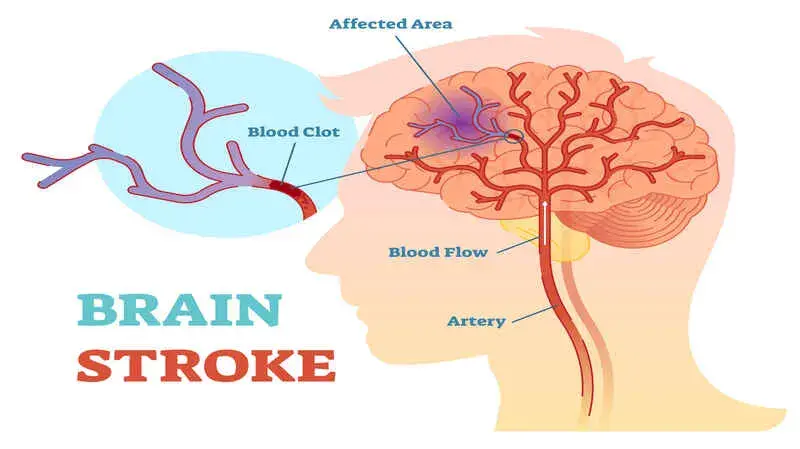
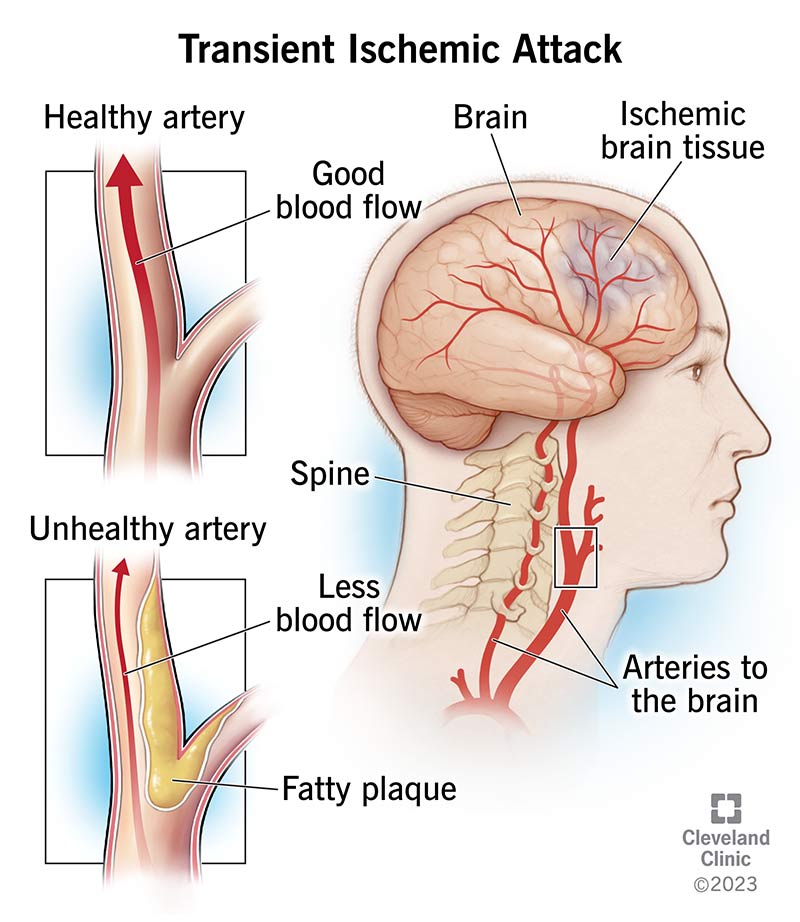

Before a full stroke occurs, some people experience what’s called a Transient Ischemic Attack (TIA)—often referred to as a “mini-stroke.”
This happens when:
- Blood flow to the brain is temporarily blocked
- Symptoms appear briefly, then disappear
- No permanent damage occurs immediately
But here’s the key:
A TIA is a major warning sign. A full stroke may follow within days.
1. Sudden Numbness or Weakness (Especially on One Side)

This is one of the most common early symptoms.
What to look for:
- Weakness in one arm or leg
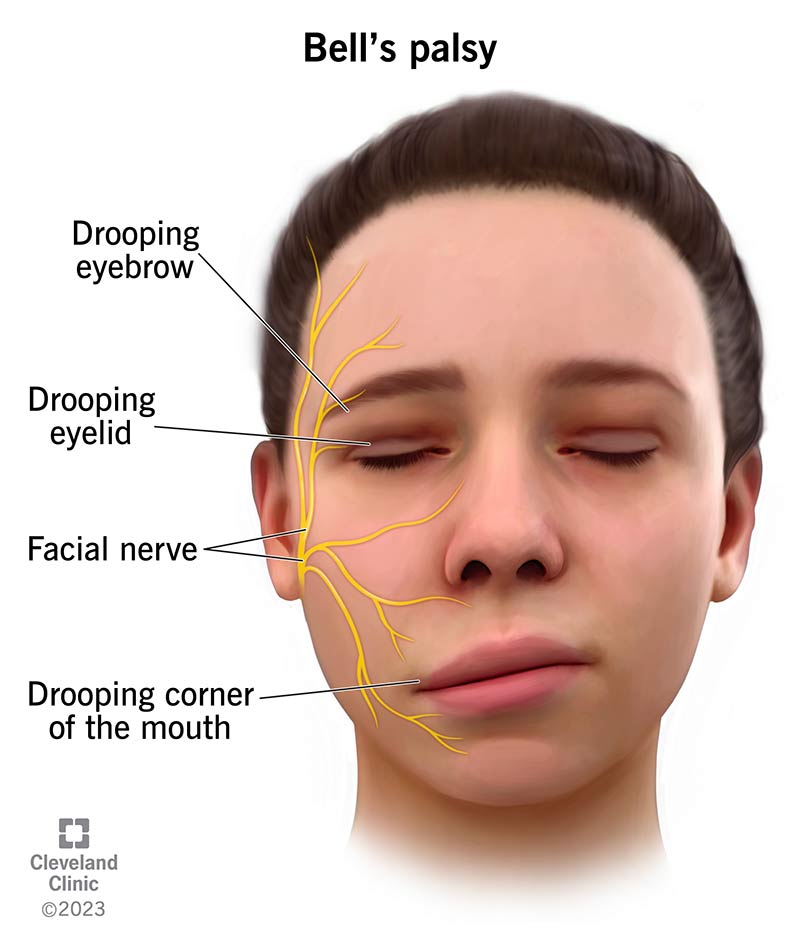
- Numbness on one side of the face
- Difficulty lifting both arms evenly
Even if it lasts only a few minutes—don’t ignore it.
2. Sudden Trouble Speaking or Understanding



You may notice:
- Slurred or unclear speech
- Difficulty finding words
- Trouble understanding simple sentences
This happens when blood flow to language centers in the brain is disrupted.
3. Vision Problems

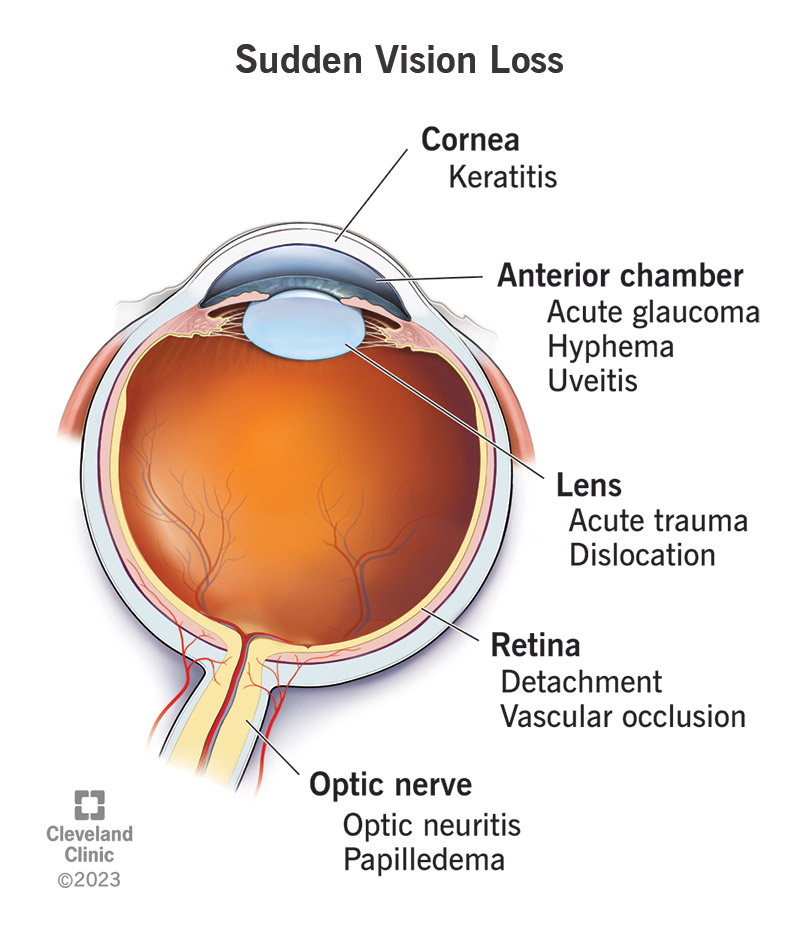

Vision changes can include:
- Blurred vision
- Double vision
- Sudden loss of vision in one eye
These symptoms may come and go—but they are serious red flags.
4. Sudden Severe Headache
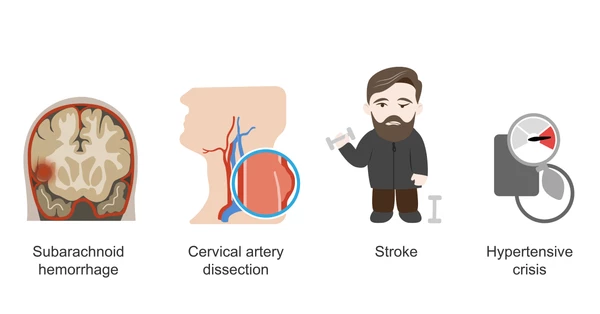
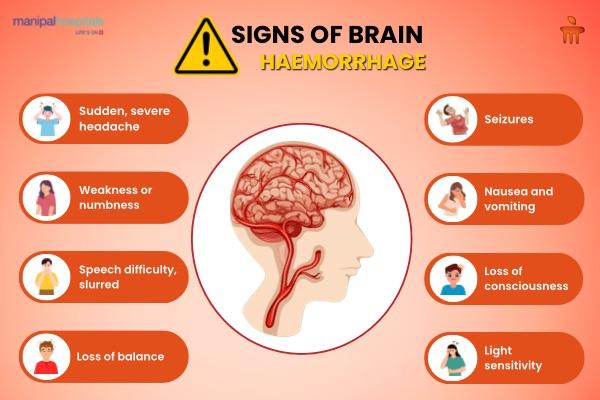

A sudden, intense headache—especially unlike anything experienced before—can signal a problem.
This is more common in hemorrhagic stroke, where a blood vessel ruptures.
5. Dizziness, Loss of Balance, or Coordination


Watch for:
- Trouble walking straight
- Sudden dizziness
- Loss of coordination
These symptoms often point to issues in the brainstem or cerebellum.
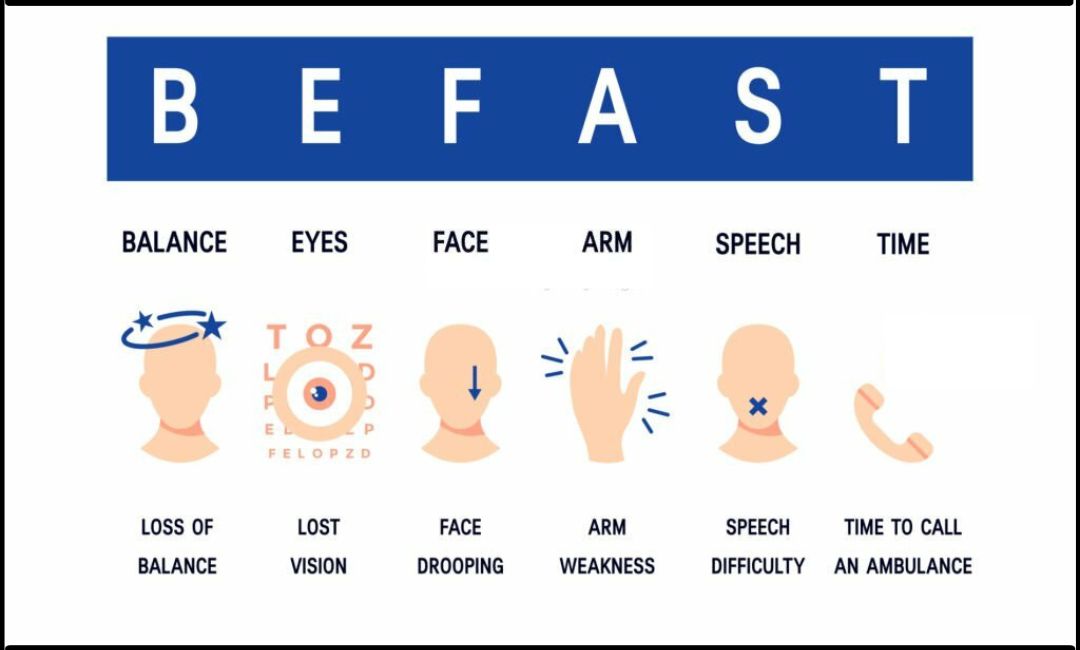
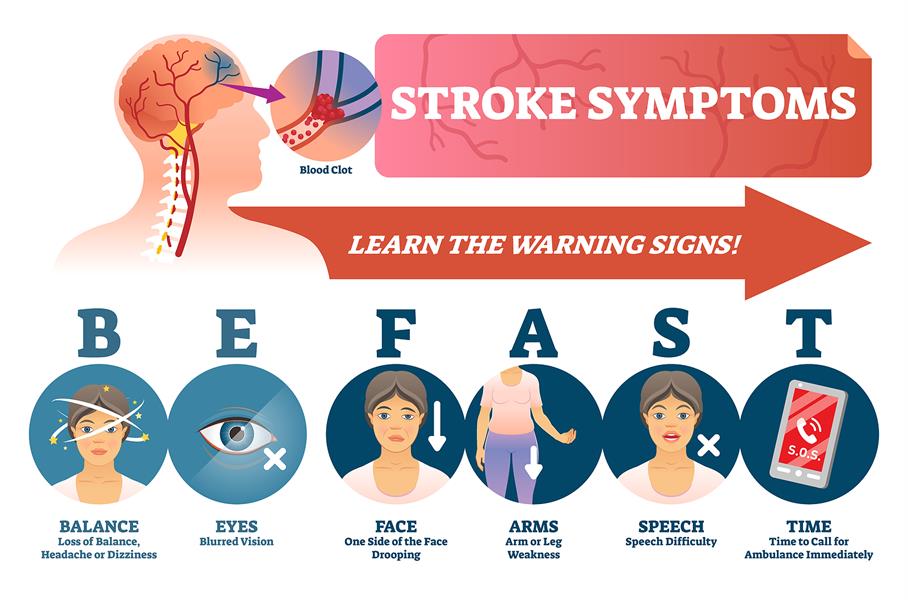
The FAST Rule — Remember This
Early recognition is everything.
- F (Face): Drooping on one side
- A (Arms): Weakness or inability to lift
- S (Speech): Slurred or strange speech
- T (Time): Call emergency services immediately
Reality Check
Not everyone will experience all symptoms.
Some may have just one—and it may disappear quickly.
That’s what makes it dangerous.
Temporary symptoms ≠ harmless symptoms.
Who Should Be Extra Alert?
- People with high blood pressure
- Smokers
- Individuals with diabetes
- Those with high cholesterol
- People with a sedentary lifestyle
What To Do If You Notice These Signs
- Do NOT wait for symptoms to pass
- Seek medical help immediately
- Early treatment can prevent permanent damage
Final Thoughts
The body often whispers before it screams.
A week before a stroke, those whispers may come in the form of numbness, confusion, vision problems, or dizziness. They may last minutes—but their message is urgent.
Recognizing early signs isn’t fear—it’s awareness that gives you time to act.