In many households, eggshells go straight into the trash after cooking breakfast or baking. Most people see them as nothing more than kitchen waste. However, eggshells are far more valuable than they appear. With a little creativity, these fragile shells can serve several practical purposes around the home and garden.
Eggshells are composed primarily of calcium carbonate, the same mineral found in limestone and chalk. They also contain small amounts of magnesium, phosphorus, and other trace minerals. Because of this composition, eggshells have many surprising uses that can help reduce waste, support plant growth, and even contribute to certain household tasks.
Instead of throwing them away, learning how to reuse eggshells can turn an everyday kitchen leftover into a useful resource.
The Nutritional Value Hidden in Eggshells
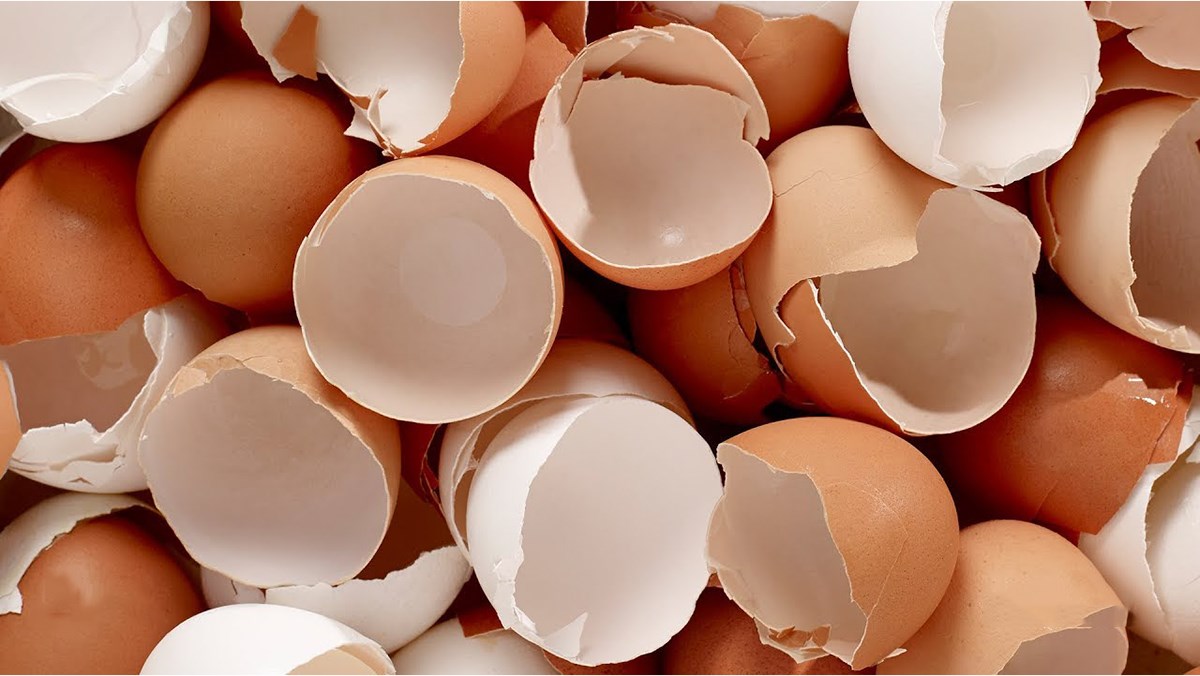
Although eggshells are thin and fragile, they are surprisingly rich in minerals. About 90–95% of an eggshell is calcium carbonate, which plays an important role in soil health and plant development.
In addition to calcium, eggshells contain:
-
Magnesium
-
Phosphorus
-
Small amounts of potassium
-
Organic proteins
These minerals make eggshells especially valuable for gardening and composting.
1. Natural Fertilizer for Plants
One of the most common uses for eggshells is as a natural fertilizer.
Plants require calcium for strong cell walls and healthy growth. When eggshells are crushed and added to soil, they slowly release calcium and other minerals as they break down.
How to use eggshells as fertilizer
-
Rinse the shells to remove egg residue.
-
Allow them to dry completely.
-
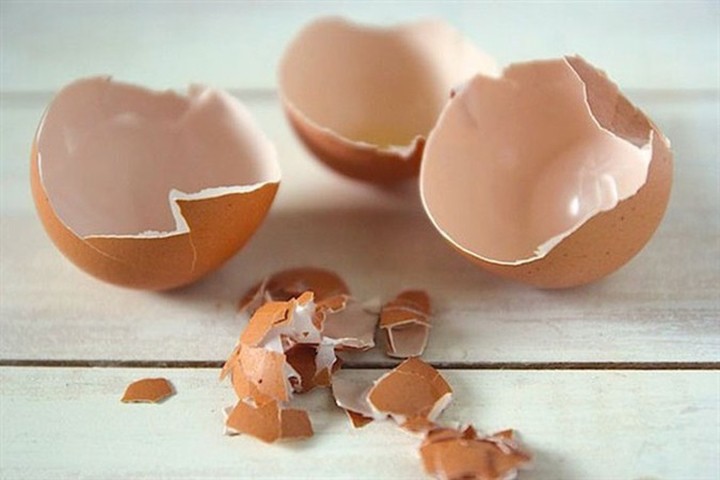
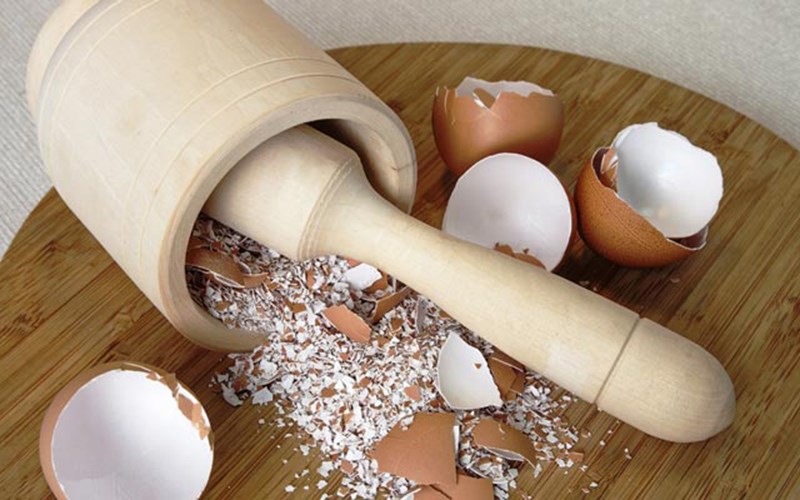
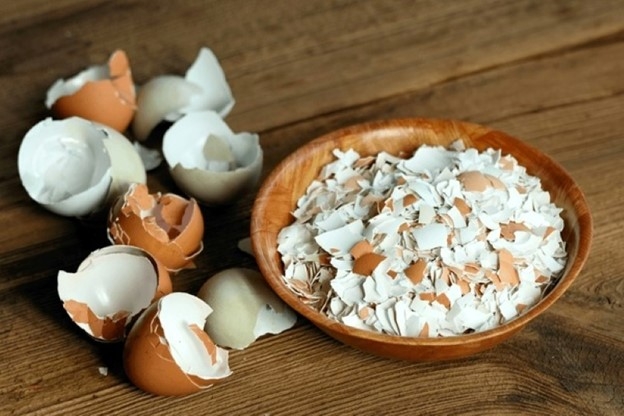
Crush them into small pieces or grind them into powder.
-
Sprinkle the crushed shells into the soil around plants.
This simple method can enrich soil and support plant development over time.
2. Pest Deterrent in the Garden
Eggshells may also help discourage certain garden pests.
Sharp fragments of crushed shells can create a rough surface that some insects and soft-bodied pests, such as slugs and snails, prefer to avoid.
To try this method:
-
Crush eggshells into coarse pieces.
-
Scatter them around the base of plants.
-
Replace them periodically as they break down.
While eggshells are not a guaranteed pest control solution, many gardeners use them as part of a natural pest management strategy.
3. Compost Enrichment
Eggshells are an excellent addition to compost piles.
Because they contain minerals, they help improve the nutrient content of finished compost. Crushing the shells before adding them to compost helps them break down more quickly.
When combined with other organic materials such as fruit peels, vegetable scraps, and leaves, eggshells contribute to a nutrient-rich compost that can later be used to improve garden soil.
4. Natural Plant Starter Containers
Another creative way to reuse eggshells is by turning them into tiny seed-starting containers.
Because eggshells are biodegradable and rich in calcium, they can support early plant growth.
Simple steps
-
Carefully crack the egg near the top.
-
Rinse and dry the shell.
-
Fill it with a small amount of soil.
-
Plant seeds inside the shell.
-
Place the shells in an egg carton for stability.
When seedlings are ready to be planted outdoors, the entire shell can be placed directly into the soil, where it will gradually decompose.
5. Soil pH Balance
In acidic soil conditions, crushed eggshells may help slightly raise the pH level over time. Calcium carbonate acts as a mild alkaline substance, which can help balance soil acidity.
However, eggshells work slowly, so they should be viewed as a long-term soil improvement rather than a quick fix.
6. Gentle Household Scrubbing Aid
Eggshells can also serve as a mild abrasive cleaning material.
When crushed into fine pieces and mixed with soapy water, they can help scrub stubborn residue from pots, pans, and containers.
Because the shells are relatively soft compared to many cleaning tools, they can remove buildup without severely scratching most surfaces.
Always test on a small area first to ensure compatibility with the material.
7. Coffee and Tea Clarification
In some traditional kitchen practices, crushed eggshells have been used to help clarify cloudy coffee or tea.
The calcium carbonate in eggshells can bind with certain particles in the liquid, helping them settle more easily. While this technique is less common today, it illustrates the versatility of eggshells in traditional cooking methods.
Environmental Benefits of Reusing Eggshells
Reusing eggshells contributes to reducing food waste. Globally, large amounts of kitchen waste end up in landfills, where organic materials decompose and produce greenhouse gases.
By finding small ways to reuse food scraps such as eggshells, households can:
-
Reduce waste output
-
Support sustainable gardening
-
Minimize the need for synthetic fertilizers
These small actions can collectively have a positive environmental impact.
Safety and Preparation Tips
Before reusing eggshells, it is important to prepare them properly.
Helpful tips include:
-
Rinse shells thoroughly to remove egg residue
-
Allow them to dry completely to prevent odor
-
Crush or grind shells before using them in soil or compost
These steps help ensure that eggshells remain clean and easy to handle.
A Simple Resource Hidden in Everyday Life
Eggshells may appear fragile and disposable, but they contain valuable minerals that can be reused in many practical ways. From supporting garden plants to enriching compost and assisting with cleaning tasks, these simple kitchen leftovers have surprising potential.
By rethinking what we consider waste, we can discover creative solutions that benefit both our homes and the environment.
Final Thoughts
Throwing eggshells away may seem like the easiest option, but keeping them can provide many useful benefits. With just a little effort, eggshells can become natural fertilizer, compost material, pest deterrents, and even seed starters.
Sometimes the most useful resources are the ones we overlook every day. Instead of tossing eggshells into the trash, consider giving them a second life — both your garden and the environment may benefit from this simple habit.