It can feel as though mosquitoes have a personal preference for you. You might even wonder why they seem to ignore the people sitting right beside you.
The truth is that mosquitoes do not choose their targets randomly. They use a surprisingly sophisticated combination of sensory signals to locate potential hosts. Carbon dioxide from breathing, body odor, skin chemicals, body heat, moisture, and even visual cues can help them identify people who are nearby.
This explains why two people standing in exactly the same location may experience very different numbers of mosquito bites.
Some individuals naturally produce a combination of signals that mosquitoes find particularly attractive. Others may be less noticeable to mosquitoes under the same conditions.
But there is more to this phenomenon than simply having "sweet blood." That popular explanation is not scientifically accurate. Researchers have identified several biological and environmental factors that help explain why mosquitoes repeatedly target certain individuals.
Understanding these factors can help you make better decisions about mosquito prevention, especially during warmer months when mosquito activity increases.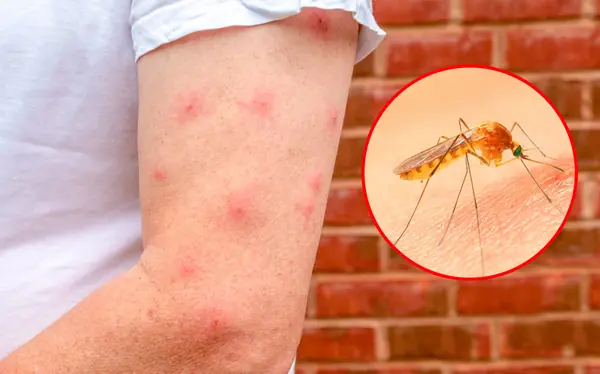
Chapter 1: Your Natural Body Odor May Make You More Attractive to Mosquitoes
One of the most important factors influencing mosquito attraction is human body odor.
Every person has a unique chemical profile on their skin. This profile is influenced by genetics, skin microorganisms, sweat composition, hormones, and other biological processes.
Mosquitoes can detect many of the chemical compounds released by the human body. Some of these compounds appear to make certain individuals more attractive than others.
Human skin naturally produces substances such as lactic acid, ammonia, carboxylic acids, and other volatile chemicals. These substances can be released through sweat, skin oils, and normal metabolic activity.
Although mosquitoes do not respond to every compound in exactly the same way, research suggests that combinations of skin-related chemicals can influence how attractive a person is to them.
This is important because mosquito attraction is not determined by a single odor. Instead, mosquitoes respond to a mixture of chemical signals.
Two people may sweat the same amount but produce different chemical profiles. One person's skin odor may contain a combination that attracts mosquitoes more strongly, while another person's odor may be less appealing.
The microorganisms living naturally on human skin also play a role.
The skin is home to a diverse community of bacteria and other microorganisms. These microbes help break down substances found in sweat and skin secretions, producing additional compounds that contribute to a person's natural scent.
Because everyone's skin microbiome is somewhat different, the resulting odors can vary significantly.
This may help explain why mosquitoes consistently prefer certain people even when everyone is exposed to the same environment.
However, having a particular body odor does not mean someone is unhygienic. Normal skin chemistry varies naturally between individuals, and frequent showering does not necessarily eliminate the biological signals that mosquitoes detect.
Chapter 2: The Carbon Dioxide You Exhale Helps Mosquitoes Find You
Every time you breathe, you release carbon dioxide into the surrounding air.
Humans cannot see or smell carbon dioxide at ordinary environmental concentrations, but mosquitoes have specialized sensory organs that allow them to detect it.
This gas is one of the most important signals mosquitoes use when searching for potential hosts.
When a mosquito detects carbon dioxide, it can recognize that a living animal may be nearby. The gas helps the insect begin searching in the direction of a possible host.
However, carbon dioxide alone does not tell a mosquito exactly where to bite. It is part of a larger process involving other sensory cues.
Once a mosquito detects carbon dioxide, it may use body odor, heat, moisture, and visual information to locate a suitable landing site.
This is one reason mosquitoes may appear more active around groups of people. Several individuals breathing in the same area create a stronger combined source of carbon dioxide.
Some people may also release more carbon dioxide than others because of differences in body size, metabolic activity, and physical exertion.
For example, someone who has just finished running, cycling, or exercising may be breathing more heavily than someone sitting quietly.
Increased breathing can produce a stronger carbon dioxide signal, potentially making that person easier for mosquitoes to detect.
This does not mean that breathing faster automatically guarantees more bites. Mosquito behavior is influenced by multiple factors, including wind, temperature, species, and the availability of other hosts.
Nevertheless, carbon dioxide provides mosquitoes with an important clue that a potential blood meal may be nearby.
Chapter 3: Body Heat and Sweat Can Make You Easier to Locate
Mosquitoes do not rely only on smell. They also use temperature and other physical signals to help locate potential hosts.
Human bodies naturally release heat, creating temperature differences between people and their surroundings.
As mosquitoes approach a person, thermal information can help guide their movement toward the body.
This is particularly useful when a mosquito is close enough to distinguish warmer surfaces from the surrounding environment.