Do not assume that mosquitoes are only a nighttime problem.
Chapter 13: Why Mosquito Prevention Is More Important Than Just Avoiding Itchy Bites
For many people, mosquito bites are little more than an irritating inconvenience.
The itching may last a few days, and the swelling usually disappears without treatment.
However, mosquitoes are also responsible for transmitting several important infectious diseases.
The diseases associated with mosquitoes vary depending on the region and species.
Dengue: Dengue is transmitted primarily by infected Aedes mosquitoes. Symptoms may include fever, headache, muscle and joint pain, nausea, and rash. Severe dengue can cause bleeding, shock, and organ complications.
Malaria: Malaria is transmitted by infected female Anopheles mosquitoes. It can cause fever, chills, sweating, headaches, and serious complications if not treated promptly.
Zika: Zika virus is primarily transmitted by Aedes mosquitoes. Infection is often mild, but infection during pregnancy can cause serious complications for the developing fetus.
Chikungunya: This virus can cause fever and severe joint pain. Some individuals experience persistent joint symptoms after the initial illness.
West Nile virus: Most infections cause no symptoms or mild illness, but a small proportion can develop serious neurological complications.
Not every mosquito carries a disease, and not every mosquito bite leads to infection.
However, the possibility of disease transmission makes prevention especially important in regions where mosquito-borne infections circulate.
If you develop a fever, severe headache, unusual body aches, rash, or other concerning symptoms after mosquito exposure, seek medical advice.
In dengue-endemic areas, including parts of Southeast Asia, people with suspected dengue should avoid aspirin and nonsteroidal anti-inflammatory drugs such as ibuprofen unless a healthcare professional specifically advises otherwise, because these medicines can increase bleeding risk. Paracetamol is generally preferred for fever relief when appropriate.
Seek urgent medical care if symptoms include severe abdominal pain, persistent vomiting, bleeding, difficulty breathing, unusual drowsiness, or signs of circulatory problems.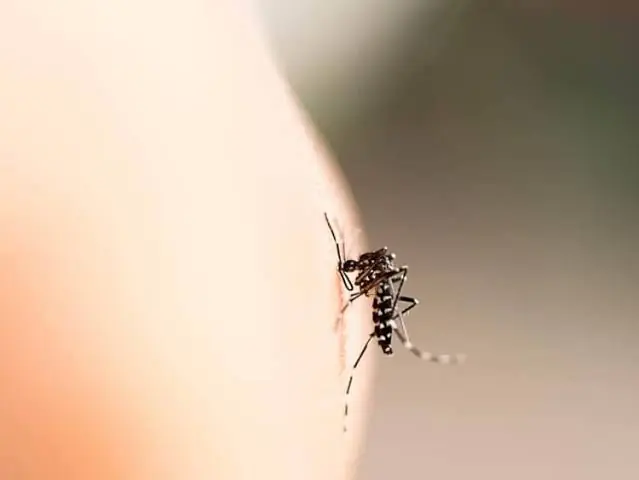
Chapter 14: Common Myths About Why Mosquitoes Bite Certain People
Because mosquito bites are such a familiar experience, many explanations have become popular over the years.
Some are based on limited scientific findings, while others have little reliable evidence.
Understanding the difference can help people avoid ineffective prevention methods.
Myth 1: Mosquitoes prefer people with sweet blood.
There is no scientific basis for the idea that mosquitoes identify people because their blood tastes sweeter.
Mosquitoes locate hosts using sensory signals such as carbon dioxide, skin odor, heat, and visual cues.
Blood sugar levels are not an established explanation for why someone receives more mosquito bites.
Myth 2: People who get bitten have poor hygiene.
Not necessarily.
Mosquito attraction is influenced by natural skin chemistry and biological differences. A person can maintain excellent hygiene and still attract mosquitoes.
Bathing may remove some sweat and surface substances, but it does not eliminate all the chemical signals produced naturally by the body.
Myth 3: Only people with type O blood get bitten frequently.
Blood type may influence mosquito attraction in some studies, but it is not a reliable predictor of biting frequency.
Many other factors play a role.
Myth 4: Mosquitoes only bite at night.
Different species have different activity patterns.
Some mosquitoes bite primarily at night, while others are active during the daytime.
People who only use mosquito protection after sunset may remain exposed during daylight hours.
Myth 5: Eating certain foods will make mosquitoes avoid you.
Garlic, bananas, vitamin supplements, and other foods are sometimes promoted as natural mosquito repellents.
However, there is no convincing evidence that eating particular foods reliably prevents mosquito bites.
Using a registered insect repellent is a much more dependable approach.
Myth 6: Mosquitoes are attracted only to people who sweat heavily.
Sweat can contribute to mosquito attraction through odor and moisture, but it is not the only factor.
People who do not sweat noticeably can still attract mosquitoes because of their natural skin chemistry and other biological signals.
Conclusion: Mosquitoes May Not Bite Everyone Equally, but You Can Reduce Your Risk
If mosquitoes seem to target you every time you go outside, there may be a scientific explanation.
Your natural body odor, skin microorganisms, carbon dioxide emissions, body heat, and other biological characteristics can influence how attractive you are to mosquitoes.
Genetics may contribute to these differences, while factors such as pregnancy, physical activity, clothing, alcohol consumption, and environmental conditions may also play a role.
Blood type has been investigated, but the evidence does not support treating it as the main explanation for mosquito preference.
The good news is that being naturally attractive to mosquitoes does not mean you have to accept constant bites.
Using an effective insect repellent, wearing protective clothing, installing window screens, removing standing water, and using mosquito nets where appropriate can significantly reduce exposure.
It is also important to remember that mosquito prevention is about more than avoiding itchy bumps. In areas where dengue, malaria, Zika, chikungunya, or other mosquito-borne infections occur, reducing mosquito bites is an important part of protecting your health.
So the next time mosquitoes seem to choose you over everyone else, remember that it probably is not personal. They are responding to a combination of biological and environmental signals.
You may not be able to control every signal your body produces, but you can control many of the conditions that allow mosquitoes to reach you.