-
Light-colored shirts with long sleeves.
-
Long trousers instead of shorts.
-
Loose-fitting clothing that covers exposed skin.
-
Socks and closed footwear when mosquitoes are active.
-
Clothing treated with an appropriate insect repellent, such as permethrin, where approved and used according to the label.
Never apply permethrin products directly to your skin. They are intended for treating clothing, gear, or other approved materials.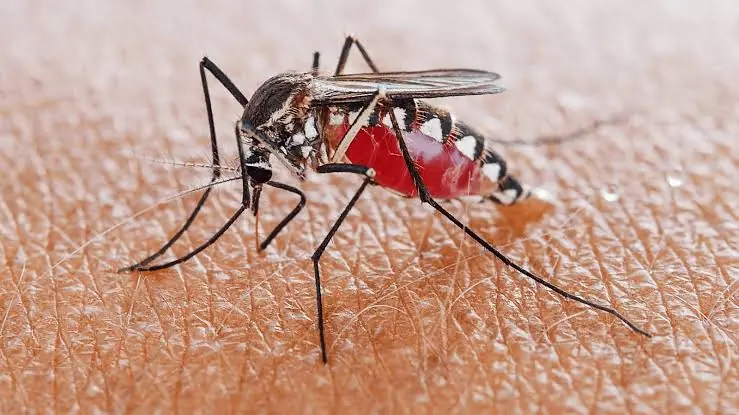
Chapter 7: Pregnancy Can Change the Signals That Attract Mosquitoes
Pregnant women may be more attractive to mosquitoes under certain conditions.
Research has found that mosquitoes can show greater attraction to pregnant women compared with nonpregnant women in some experimental settings.
Several physiological changes during pregnancy may help explain this observation.
First, pregnant women may exhale more carbon dioxide as their respiratory requirements change.
Second, body temperature can increase slightly during pregnancy, although temperature changes vary among individuals and stages of pregnancy.
Third, changes in metabolism, circulation, sweating, and skin chemistry may influence the signals available to mosquitoes.
These changes can occur together, potentially making some pregnant women easier for mosquitoes to detect.
However, pregnancy does not mean every mosquito will automatically prefer a pregnant person.
The mosquito species, local environment, clothing, use of repellents, and other individual characteristics still matter.
There is also an important health consideration.
Mosquitoes can transmit diseases such as dengue, malaria, Zika, chikungunya, and West Nile virus, depending on the region and mosquito species.
Some of these infections can create serious complications during pregnancy.
For example, Zika infection during pregnancy can cause severe birth defects. Malaria can also be particularly dangerous for pregnant women and their babies.
Pregnant individuals should therefore take mosquito prevention seriously, especially when traveling to areas where mosquito-borne diseases are circulating.
Appropriate insect repellents, protective clothing, mosquito nets, and environmental control can help reduce exposure.
Before using a particular repellent during pregnancy, follow public-health guidance and the product label. Many registered repellents, including certain products containing DEET or picaridin, can be used during pregnancy when applied according to instructions.
Chapter 8: Alcohol Consumption May Temporarily Increase Mosquito Attraction
Another factor that researchers have investigated is alcohol consumption.
Some studies have suggested that people who drink alcohol may become more attractive to mosquitoes.
One possible explanation involves changes in skin temperature and the release of chemical compounds through the skin.
Alcohol can affect blood flow near the skin's surface, potentially influencing skin temperature and other physiological signals.
Researchers have also explored whether drinking alcohol changes the chemical profile of sweat or breath in ways that mosquitoes can detect.
However, the evidence remains limited, and it is not fully understood how much alcohol consumption influences mosquito attraction under normal outdoor conditions.
It is also important not to confuse mosquito attraction with disease risk.
Drinking alcohol does not directly cause mosquitoes to transmit infections. The risk of infection depends on whether an infected mosquito bites a person and successfully transmits a pathogen.
Still, if you are spending time outdoors in an area with many mosquitoes, relying on alcohol-related assumptions is not a sensible prevention strategy.
Using an effective repellent and covering exposed skin remain much more dependable ways to reduce mosquito bites.
Chapter 9: Different Mosquito Species May Prefer Different Types of People
Not all mosquitoes behave in exactly the same way.
There are thousands of mosquito species worldwide, and they differ in their feeding habits, preferred hosts, breeding environments, and daily activity patterns.
Some species are strongly attracted to humans, while others feed more frequently on birds, livestock, or other animals.
Even among mosquitoes that commonly bite humans, preferences can vary.
For example, Aedes aegypti is an important urban mosquito associated with the transmission of dengue, Zika, chikungunya, and yellow fever.
This species often bites during the daytime, particularly in the morning and late afternoon, although activity can vary depending on local conditions.
Aedes albopictus, commonly known as the Asian tiger mosquito, can also bite humans and is active during daylight hours.
By contrast, many Culex mosquitoes are more active around dusk and during the night. Some species are involved in transmitting West Nile virus and other infections.
These differences matter because a person who experiences frequent mosquito bites in one location may have a different experience in another.
The local mosquito population, weather, vegetation, breeding sites, and available hosts can all influence biting patterns.
A mosquito's preference for certain human characteristics may also depend on the species involved.
This is another reason why there is no universal explanation for why one person receives more mosquito bites than another.
Chapter 10: Why Some People Seem to Attract Mosquitoes Even When Everyone Is Together
Imagine a group of friends sitting outside on a warm evening.
Everyone is wearing similar clothing, sitting at approximately the same distance from nearby vegetation, and spending the same amount of time outdoors.
Yet one person keeps swatting mosquitoes away while the others barely notice them.
This situation can be explained by the combination of factors discussed earlier.
The person receiving more bites may produce a skin odor profile that mosquitoes find especially attractive.
They may also release more carbon dioxide, have a body temperature that creates stronger thermal cues, or wear clothing that provides a more noticeable visual contrast.
Other factors may contribute as well.