Not necessarily. Some openings are primarily intended to let water escape. Others may have a maintenance function, but the design varies. Always check the manufacturer's instructions before applying lubricant through an opening.
Myth 3: The hole makes the lock completely waterproof.
The opposite is closer to the truth: a drainage opening acknowledges that some moisture may enter the housing and provides a way for it to leave. It does not guarantee that water cannot enter or that the lock can withstand unlimited exposure.
Myth 4: A padlock without a hole is automatically inferior.
Different models manage moisture in different ways. Some use protective covers, corrosion-resistant materials, or other construction features. The absence of a visible hole is not enough to judge the quality of a lock.
Myth 5: You should insert a pin to clean the opening.
Using a sharp object can damage internal components or push debris farther inside. Gentle exterior cleaning and manufacturer-approved maintenance are safer choices.
Understanding these distinctions helps prevent unnecessary repairs and avoids turning a useful design feature into a source of trouble.
How to Choose the Right Padlock for an Outdoor Gate
If you are buying a new padlock, the tiny drainage opening is worth noticing, but it should not be the only factor in your decision.
Start by considering the location.
A lock used on an indoor cupboard may rarely encounter rain or condensation. A lock attached to a garden gate faces a very different environment. A storage unit near the coast may experience salty air, while a lock used on a farm may be exposed to mud, dust, and frequent handling.
The more demanding the environment, the more important it becomes to choose a product designed for those conditions.
Next, consider the materials.
The body and shackle do not necessarily use the same metal. A brass body, for example, may be combined with a hardened steel shackle. A stainless-steel model may offer useful corrosion resistance, but the exact grade and construction still matter.
Check whether the manufacturer specifically describes the lock as suitable for outdoor use. If it is intended for a wet or corrosive environment, look for product information that explains the level of protection rather than relying on a general marketing description.
The shackle also deserves attention.
It should fit the hasp or chain securely without leaving unnecessary space. A lock that is too small may not fit properly, while one that is too large may leave the shackle more exposed than necessary.
Think about the security requirements, too. A small lock for a low-risk cabinet does not need the same characteristics as a lock protecting expensive equipment or an external storage area.
Finally, consider maintenance.
A lock that is exposed to weather will benefit from periodic inspection. If you prefer a low-maintenance option, compare products designed for outdoor conditions and read their care instructions before buying.
The best padlock is not necessarily the largest or most expensive. It is the one whose construction, security characteristics, and maintenance requirements suit the place where it will be used.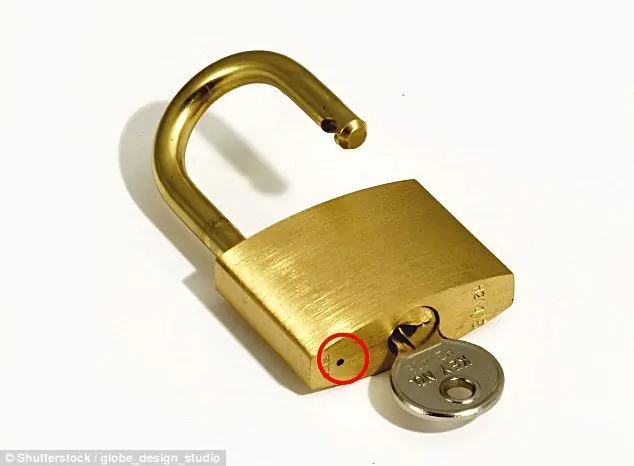
How Often Should an Outdoor Padlock Be Inspected?
There is no single inspection schedule that suits every padlock. The right frequency depends on the environment, how often the lock is operated, and the manufacturer's recommendations.
A lock that stays beneath a sheltered roof may need less attention than one hanging on an exposed gate in a rainy area.
As a practical habit, inspect frequently used outdoor locks every few months. Pay particular attention after periods of heavy rain, unusually humid weather, or exposure to dust and corrosive conditions.
During an inspection, look for changes rather than focusing only on obvious damage.
Does the key still turn as smoothly as before? Does the shackle move freely? Is there new discoloration around the body? Are there signs of rust near the keyway or shackle openings? Does the drainage opening appear blocked by dirt?
These small observations can help identify developing problems.
If the lock operates normally and shows no signs of damage, it may simply need routine cleaning according to the manufacturer's instructions.
If the mechanism feels rough, investigate the cause rather than immediately applying large amounts of lubricant. The stiffness could be caused by dirt, corrosion, freezing, a damaged key, or a mechanical fault.
A lock that has become unreliable should not be trusted with something important simply because it can still be opened occasionally.
Inspection is not about taking the padlock apart every few months. It is about noticing changes early enough to respond before the lock fails at an inconvenient moment.
Why a Tiny Drainage Feature Can Save Time and Money
A padlock is usually inexpensive compared with the items it protects, but replacing one repeatedly can still become frustrating.
Imagine a storage shed with a lock that becomes difficult to open every rainy season. Each time, the owner must clean it, attempt to free the mechanism, or replace it altogether.
Over time, the inconvenience adds up.
A suitable outdoor padlock, combined with basic maintenance, can reduce the likelihood of this kind of recurring problem. A drainage opening may contribute by allowing accumulated water to escape rather than remain inside the housing.
It is not a guarantee against failure, but it is a useful part of the design.
There is also the cost of an unexpected lock failure to consider. If a padlock becomes stuck while securing a gate, storage unit, or piece of equipment, someone may need to call a locksmith or arrange a replacement immediately.
The direct cost of the lock may be small, but the disruption can be significant.
This is why a little attention to product design and maintenance can be worthwhile.
When choosing a lock, it makes sense to consider the conditions it will face throughout its life, not just how it looks on the shelf. When maintaining an existing lock, it makes sense to follow the instructions rather than experimenting with unsuitable oils or tools.
A tiny opening cannot solve every problem, but it can help the mechanism cope with one of the most common challenges faced by outdoor locks.
The Real Answer: A Small Hole With an Important Job
So, why do many padlocks have tiny holes at the bottom?
The most common reason is to let water escape.
When a padlock is exposed to rain, humidity, or condensation, moisture can enter through small gaps and collect around the internal components. If it remains there, it may contribute to corrosion, stiffness, and eventual mechanical failure.
A drainage opening provides a route for accumulated water to leave the housing. In cold conditions, reducing trapped water may also help limit problems associated with freezing.
On certain models, a similar opening may have a maintenance-related purpose, such as providing access for an approved lubricant. However, that function is not universal. The manufacturer's instructions remain the best guide to identifying what a particular opening is designed to do.
The feature does not make a lock completely waterproof, eliminate the need for maintenance, or guarantee protection against rust. It is one small element in a larger design intended to keep the mechanism operating reliably.
The next time you see a padlock hanging from a gate or shed, take a moment to look underneath. That tiny hole may be doing a job that is easy to miss but genuinely useful.
It is a reminder that everyday objects often contain thoughtful engineering details. Some are visible, while others remain unnoticed until someone asks the right question.
And sometimes, the smallest opening on an ordinary object can help explain why it continues working through years of rain, dust, and changing weather.