Foamy Urine: What Those Bubbles Really Mean — And When You Should See a Doctor
Many people notice bubbles or foam in the toilet after urinating and immediately wonder if something is wrong. According to health experts, foamy urine is actually quite common and is often harmless. However, persistent or unusually thick foam may sometimes signal an underlying health problem that should not be ignored.
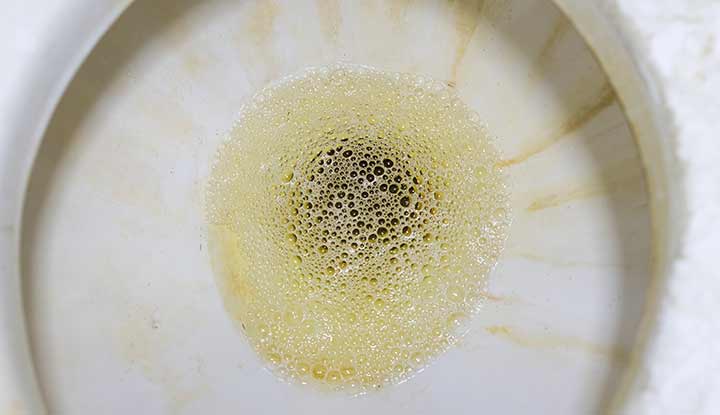
Doctors explain that occasional bubbles in urine can happen for simple reasons such as urinating with a strong stream, dehydration, or even leftover cleaning products in the toilet bowl. In many cases, the bubbles disappear quickly after flushing and are not considered dangerous.
However, experts warn that urine that repeatedly appears thick, white, frothy, or foam-like may be linked to excess protein in the urine — a condition known as proteinuria. This can sometimes be an early warning sign of kidney problems.
Common Causes of Foamy Urine
Health specialists say foamy urine may be linked to:
-
Dehydration
-
Rapid urination
-
High protein levels in urine
-
Diabetes-related kidney damage
-
High blood pressure
-
Kidney disease
-
Urinary tract infections
-
Certain medications
Doctors note that dehydration is one of the most common harmless causes. When the body lacks fluids, urine becomes more concentrated, making bubbles more likely to form.
When Should You Worry?
Medical experts say people should consider seeing a doctor if foamy urine:
-
Happens frequently
-
Becomes increasingly frothy
-
Does not disappear after flushing
-
Is accompanied by swelling, fatigue, high blood pressure, or changes in urination
Persistent foamy urine may indicate the kidneys are leaking protein instead of properly filtering waste from the blood. This can happen in chronic kidney disease, diabetes, or other medical conditions.
What Doctors Recommend
Experts recommend staying hydrated, monitoring symptoms, and seeking medical evaluation if the problem continues. Doctors may perform urine tests, blood work, or kidney imaging to identify the cause.
While occasional bubbles are usually harmless, doctors say persistent foam should never be ignored because kidney disease often develops silently in its early stages.