
9 subtle symptoms of diabetes that many people miss
Common symptoms of diabetes many people tend to ignore
Health 07/05/2026 23:13
Scientists have long suspected that the gut and the brain are more connected than we once believed. Now, new research involving twins is adding to growing evidence that the gut microbiome - the trillions of bacteria living in the digestive tract - may play a role in the development of Multiple Sclerosis (MS).
The findings don’t prove that gut bacteria directly cause MS. But they do suggest that the balance of microbes in the gut could influence immune activity in ways that affect neurological health.

Multiple sclerosis is a chronic autoimmune condition that affects the central nervous system.
In MS:
Symptoms can vary widely and may include:
The gut microbiome refers to the massive community of microorganisms living in the digestive tract.
These microbes help:
Researchers now believe the gut microbiome may also affect:
This connection is often called the gut-brain axis.
Twin studies are especially valuable because identical twins share:
So when one twin develops MS and the other does not, researchers can look more closely at non-genetic differences—such as the microbiome.
This helps scientists separate:
In recent studies, scientists compared gut bacteria in twins where:
They discovered differences in:
Some bacterial patterns appeared more common in the twins with MS.
Researchers believe gut microbes may influence:
When the microbiome becomes imbalanced (sometimes called dysbiosis), it may contribute to abnormal immune responses.
In people genetically vulnerable to MS, this could potentially play a role in triggering disease activity.

About 70–80% of immune cells are associated with the gut.
Healthy gut bacteria help:
An unhealthy microbiome may:
Not exactly.
Researchers stress that MS is likely caused by a combination of factors, including:
Gut bacteria are probably one piece of a much larger puzzle.
Possibly.
Diet strongly affects gut bacteria composition.
Foods that generally support microbiome diversity include:
Meanwhile, highly processed diets may negatively affect microbial balance.
However, diet alone is not considered a treatment for MS.
This is one of the most exciting areas of current research.
Scientists are studying whether therapies involving:
could someday help support MS management.
But this field is still developing.
Current evidence does NOT mean:
MS is a serious neurological condition that requires professional medical care.
This research is important because it changes how scientists think about disease.
For years, the brain and gut were studied separately. Now researchers increasingly see them as deeply interconnected systems.
The microbiome may influence:

Twin studies are helping scientists uncover a fascinating possibility: the bacteria living in our gut may influence the development and progression of multiple sclerosis.
While many questions remain unanswered, the research highlights the growing importance of:
The human body is not made of isolated systems. And sometimes, answers to neurological disease may begin in places researchers never expected—deep inside the gut.
Common symptoms of diabetes many people tend to ignore
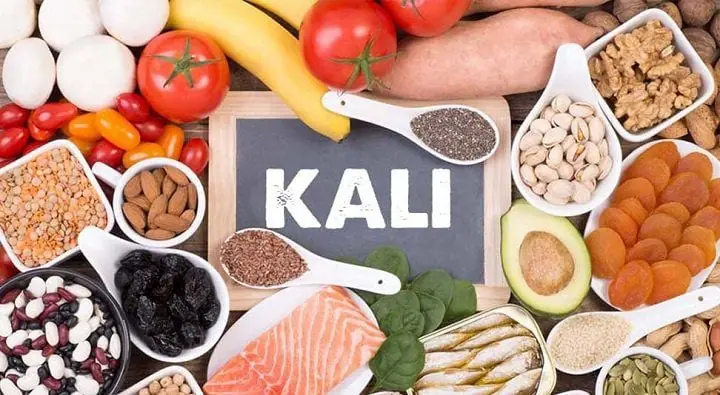
Top symptoms that may indicate your potassium levels are too low
Doctors warn these unusual body odors could be your body sending danger signals
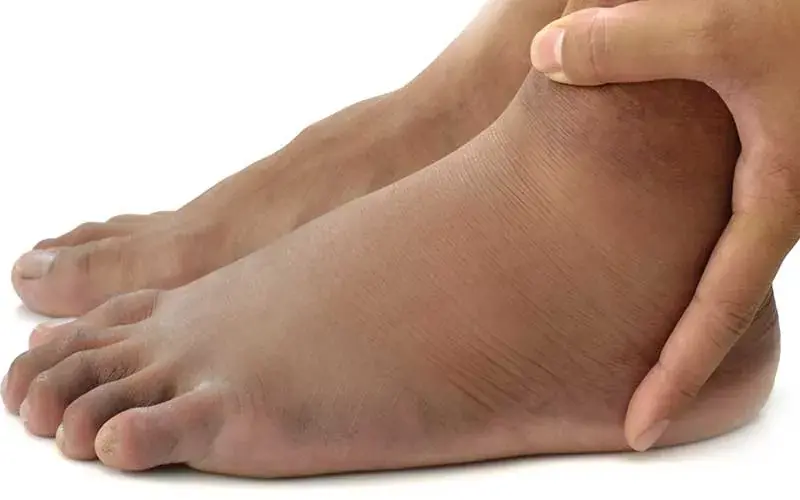
Your kidneys may be sending warning signals through your feet

The hidden health meaning behind foamy urine

Eating garlic daily may support heart health and natural immunity.
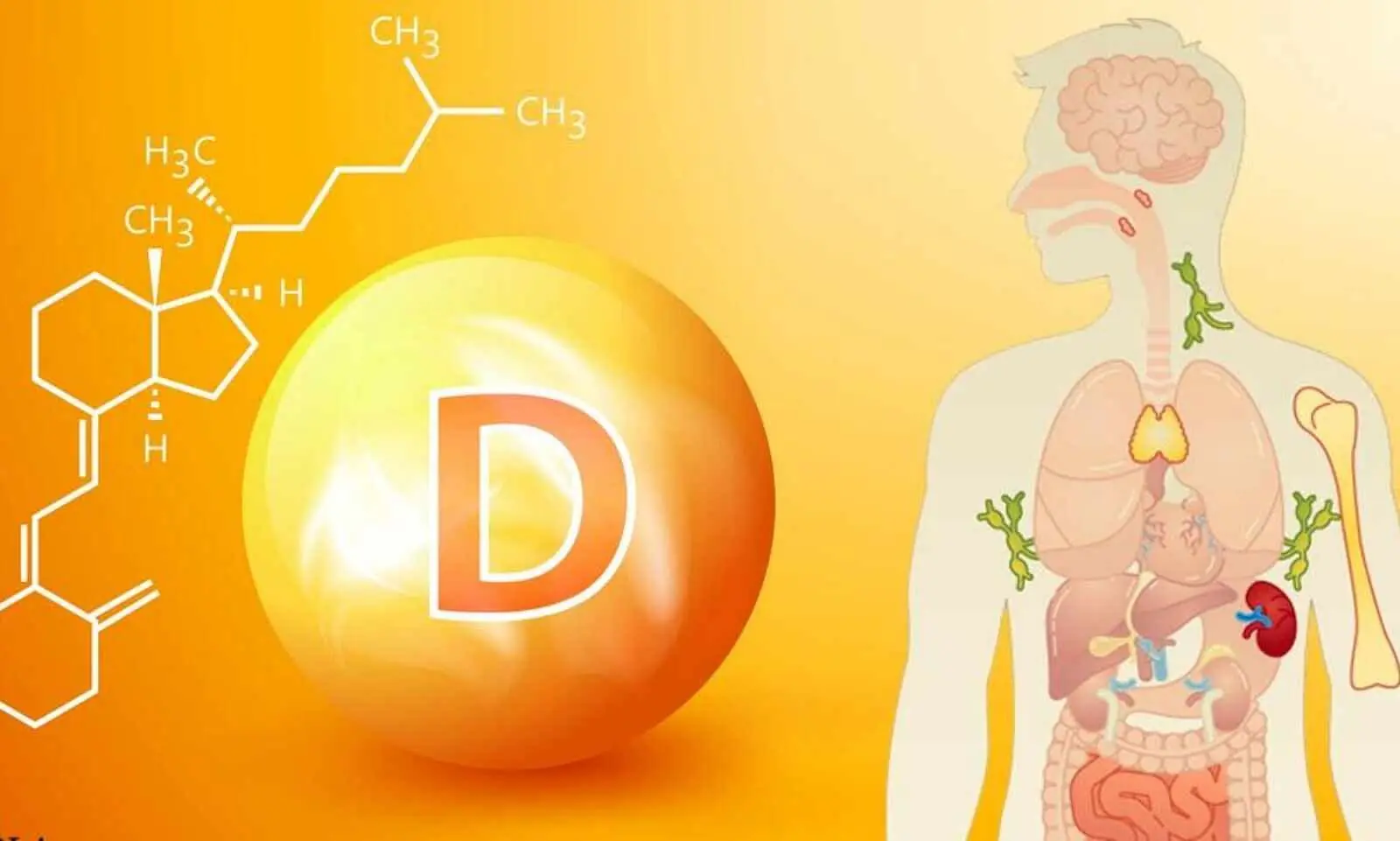
12 lesser-known symptoms that could indicate vitamin D deficiency
Unexpected itching could be one of the lesser-known signs linked to liver disease
Doctors Reveal the Possible Causes Behind Bubbly Urine

How to give your tiles a fresh, glossy look using common household items

Many people reheat leftover rice without realizing the potential health risks

7 reasons lemon peel water could support your overall wellness

8 natural ways to ease sinus infections without relying on antibiotics

This popular food may pose parasite risks when not handled or cooked safely

Doctors Explain Why Eating Too Many Onions May Backfire

Why showering at night could be a healthier habit for many people?

Doctors highlight a dishwashing habit that may pose hidden health risks after a couple’s cancer diagnosis

Why More People Are Drinking Guava Leaf Tea Every Day 😲
Common symptoms of diabetes many people tend to ignore

Grandma’s anti-aging secret is suddenly going viral again 🌿

Habits that can speed up aging: 4 things to watch out for
Type A, B, AB, or O? Here’s what research says about your health
Top symptoms that may indicate your potassium levels are too low

Mysterious hanging object sparks debate as viewers search for answers.
Doctors warn these unusual body odors could be your body sending danger signals
Your kidneys may be sending warning signals through your feet
The hidden health meaning behind foamy urine
Eating garlic daily may support heart health and natural immunity.
12 lesser-known symptoms that could indicate vitamin D deficiency
Unexpected itching could be one of the lesser-known signs linked to liver disease

My grandmother kept these for years, but I never knew what they actually were
Doctors Reveal the Possible Causes Behind Bubbly Urine
How to give your tiles a fresh, glossy look using common household items
Many people reheat leftover rice without realizing the potential health risks
7 reasons lemon peel water could support your overall wellness

6 “golden” uses of bubble wrap
8 natural ways to ease sinus infections without relying on antibiotics