Doctor’s Warning Headlines Go Viral — But What Do They Really Mean About Parasites in Food?
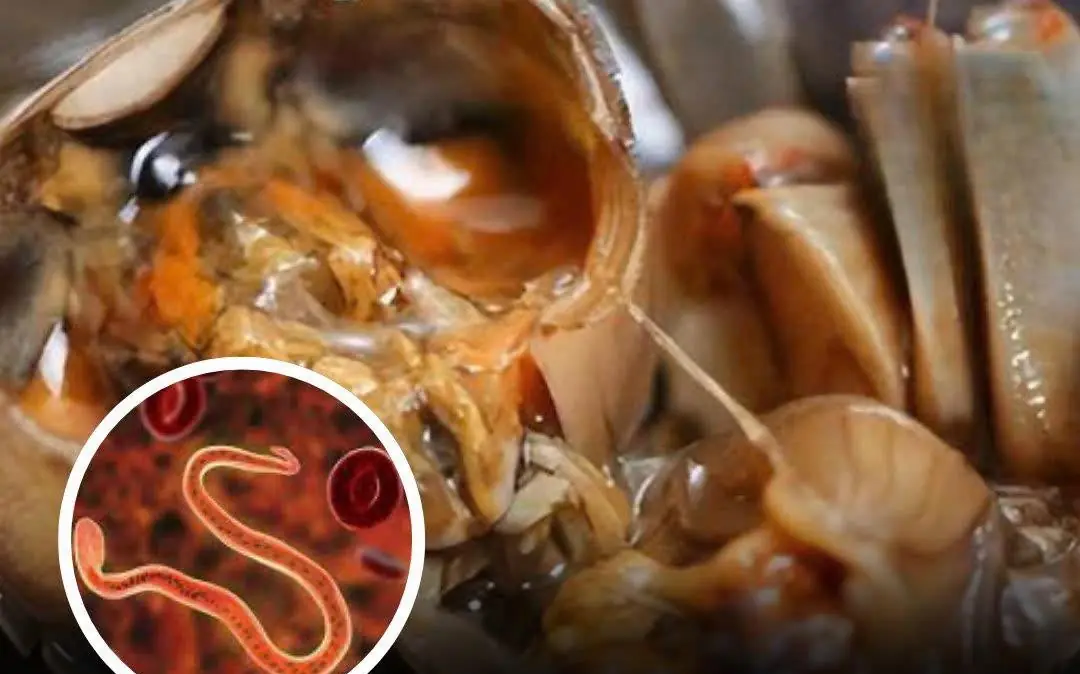
Images like this are designed to stop you mid-scroll.
A close-up of raw seafood, an enlarged illustration of parasites, and a bold warning telling people to stop eating certain foods immediately can trigger fear faster than facts have time to catch up. The reaction is understandable—no one wants to imagine parasites hiding in something they eat—but the truth behind these warnings is more complex than the headline suggests.
Parasites Are Not the Same as Poison
The first thing many people misunderstand is the word parasite. Parasites exist in nature, especially in animals that live in water or soil, and their presence does not automatically mean food is dangerous. The real risk appears when food is eaten raw, undercooked, or handled improperly.
In other words, parasites are a preparation problem, not an automatic food ban.
Food #1: Raw or Undercooked Seafood
Seafood—especially freshwater fish, shellfish, and crustaceans—is often highlighted in parasite-related warnings, and for a reason. Certain parasites can survive in raw fish and shellfish if they are not frozen or cooked properly.
However, this does not mean seafood itself is unsafe. Proper freezing, thorough cooking, and regulated sourcing dramatically reduce risk. Many countries require sushi-grade fish to be frozen at specific temperatures precisely to eliminate parasites before consumption.
The danger is not seafood—it is unsafe handling and preparation.
Food #2: Raw or Undercooked Meat
Meat, particularly pork, beef, and wild game, can carry parasites if consumed undercooked. This is why food safety guidelines emphasize internal cooking temperatures rather than visual appearance.
Parasites do not survive high heat. When meat is cooked properly, the risk drops to near zero. Problems arise when people rely on guesswork, outdated cooking habits, or misinformation that promotes raw meat as “healthier” without acknowledging the biological risks.
Food #3: Unwashed Fresh Produce
This category surprises many people. Fruits and vegetables are often assumed to be safe by default, yet parasites can exist on produce contaminated by soil, water, or improper handling during harvesting and transport.
The risk does not come from vegetables themselves, but from skipping basic hygiene. Washing produce thoroughly, especially leafy greens and root vegetables, is one of the simplest and most effective ways to reduce exposure.
No extreme measures required—just consistency.
Food #4: Raw or Fermented Foods Prepared Without Safety Controls
Some traditional or trendy foods involve raw or fermented ingredients, which can be safe when prepared under controlled conditions. The problem occurs when people attempt these methods at home without understanding temperature, acidity, or hygiene requirements.
Fermentation is not dangerous by default. Unsafe fermentation is.
This distinction matters, because blanket warnings often discourage cultural foods or traditional diets without addressing the actual cause of risk: lack of food safety knowledge.
Why Viral Warnings Oversimplify the Issue
Headlines like “Stop Eating These Foods Immediately” spread quickly because fear travels faster than nuance. But oversimplified warnings can backfire, causing confusion, unnecessary anxiety, and even poor dietary decisions.
Avoiding entire food groups does not automatically make someone healthier. In fact, it can lead to nutritional imbalance, especially when fear replaces informed choice.
What Doctors Actually Emphasize
Medical professionals do not generally tell people to stop eating entire categories of food. Instead, they focus on:
-
Proper cooking temperatures
-
Safe food handling and storage
-
Clean water and sanitation
-
Reliable sourcing of animal products
-
Education, not fear
Parasite-related illnesses are far less common in regions where food safety standards are followed, and most cases are preventable without extreme dietary restrictions.
The Role of Misinformation
Images like this often circulate without context, making it seem as though parasites are unavoidable and lurking in everyday meals. This creates unnecessary panic and distracts from the real issue: food safety education.
Fear-based content rarely explains that parasites are destroyed by heat, freezing, and hygiene. Instead, it implies danger where responsibility should be emphasized.
Awareness Without Alarm

It is reasonable to be cautious. It is not reasonable to assume danger without understanding cause. Awareness helps people make safer choices, but alarmism pushes people toward extremes.
The healthiest response lies between ignorance and fear.
What Actually Protects You
Protection does not come from avoiding food—it comes from how food is handled. Washing, cooking, storing, and sourcing food properly remains the most effective defense against parasites.
No dramatic detox.
No sudden bans.
Just informed habits.
A More Responsible Conclusion
Parasites are part of the natural ecosystem, not a modern conspiracy. The goal is not to eliminate fear, but to replace it with clarity.
Food does not become dangerous because of what it is, but because of how it is treated. Understanding that difference turns viral panic into practical knowledge—and that knowledge is what actually keeps people safe.