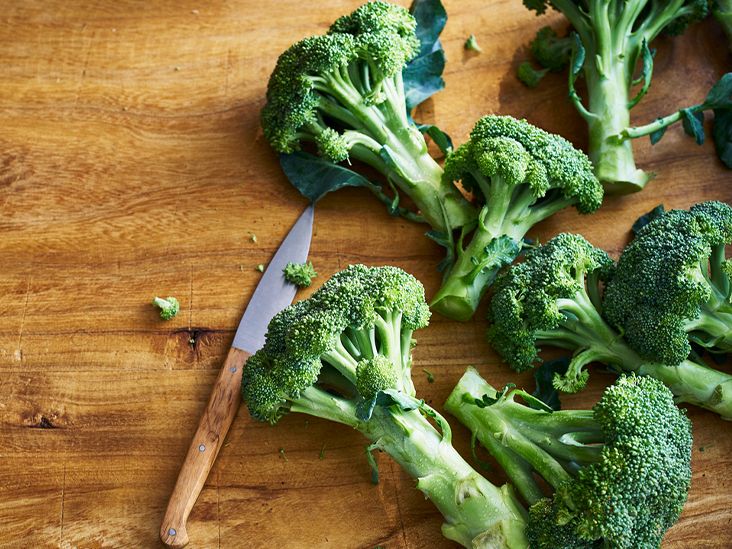
The Vegetable That Grows Anywhere — We Eat the Leaves, but Throw Away the Part That Matters Most
It grows easily. It’s affordable. It survives harsh conditions and appears on dinner tables around the world. Yet for decades, most people have been discarding the most valuable part of this vegetable without a second thought.
That vegetable is broccoli — and the part we waste is its thick stem.
While most households carefully trim broccoli down to its green florets, the stalk is often tossed straight into the trash. What many people don’t realize is that this “leftover” portion is not kitchen waste at all — it is a concentrated source of nutrients that nutrition scientists increasingly describe as functional food.
Why broccoli stems are mistakenly thrown away
Broccoli stems have an image problem. They are firm, fibrous, and less visually appealing than the soft florets. Many assume they are tough, flavorless, or nutritionally inferior. As a result, the stem is frequently discarded before cooking even begins.
This habit is so widespread that food waste researchers estimate up to 45% of a broccoli plant is thrown away, despite being fully edible.
But science tells a very different story.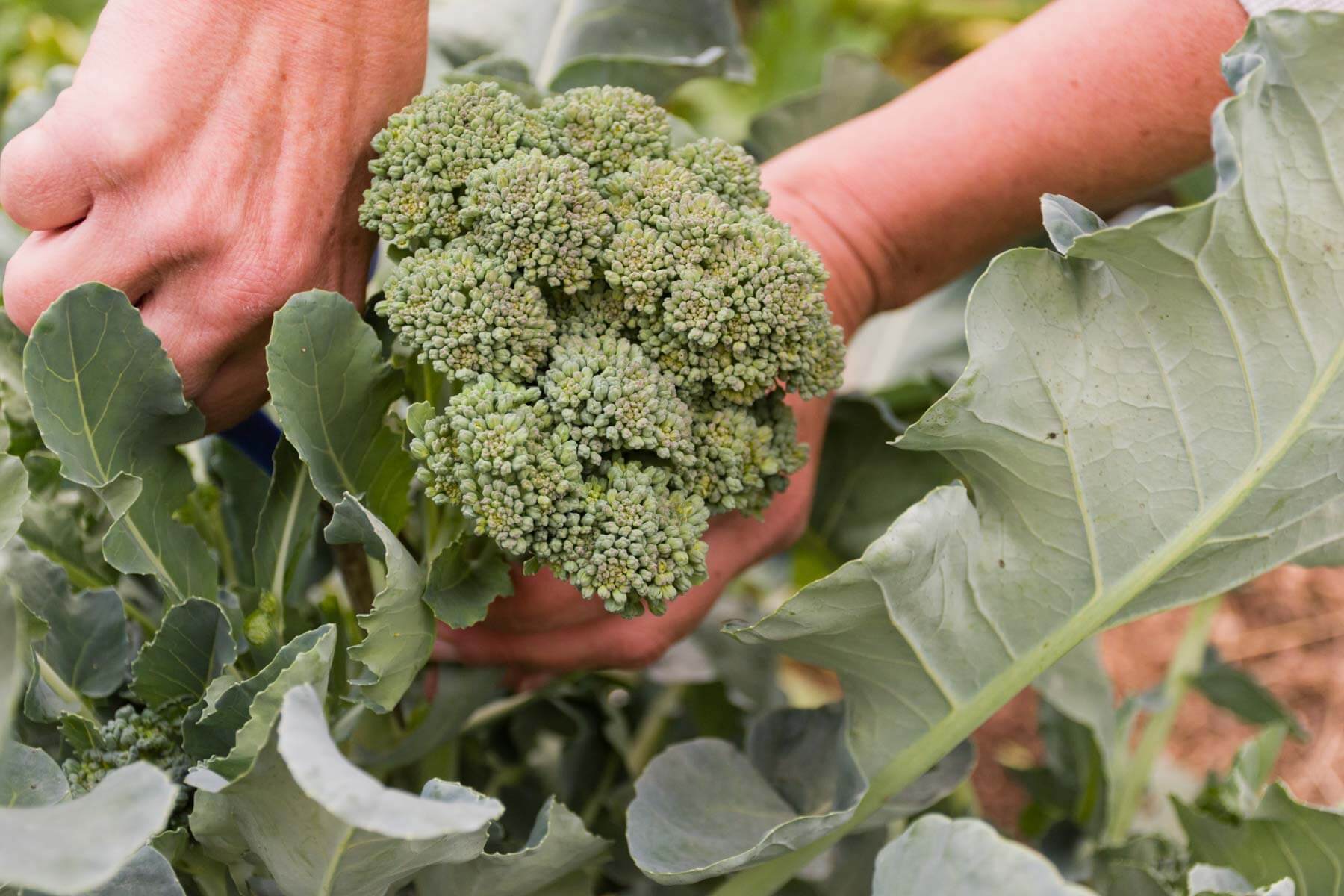
The nutritional truth hidden in the stem
According to multiple nutrition analyses, broccoli stems contain:
-
Higher fiber concentration than florets, supporting gut health and blood sugar stability
-
Sulforaphane precursors, compounds linked to cellular protection and detox pathways
-
Vitamin C and potassium, essential for immune and cardiovascular function
-
Glucosinolates, bioactive compounds studied for their role in inflammation regulation
In some measurements, the stem actually contains more fiber and comparable antioxidants than the florets people prize.
In short: the part most people throw away is not inferior — it is different, and in some ways, more powerful.
“Living anywhere” doesn’t mean low value
Broccoli is resilient. It grows across climates, adapts to different soils, and yields heavily. That very abundance has caused people to undervalue it.
Nutrition experts warn that we often associate rarity with health value, while overlooking everyday foods that quietly deliver consistent benefits. Broccoli stems fall squarely into that category.
“They’re not exotic, so people ignore them,” says one food science researcher. “But nutritionally, they punch far above their reputation.”
How traditional diets used the whole plant
In several Asian and Mediterranean food traditions, broccoli stems were never wasted. They were peeled, sliced thin, and:
-
Stir-fried for crunch
-
Added to soups for natural sweetness
-
Pickled for digestion support
-
Dried and ground into vegetable powders
In these cultures, discarding the stem would be unthinkable — not because of scarcity, but because of respect for the plant’s full value.
Modern convenience cooking broke that habit.
A sustainability issue hiding in plain sight
Beyond nutrition, throwing away broccoli stems has environmental consequences.
Food waste contributes significantly to landfill emissions, water loss, and unnecessary agricultural pressure. Using the entire vegetable reduces waste, stretches food budgets, and lowers environmental impact — without buying anything new.
In a world searching for “superfoods,” one of the most overlooked solutions is already sitting in kitchen trash bins.
How to use broccoli stems properly
The key is preparation, not avoidance.
-
Peel the outer layer to remove toughness
-
Slice thinly or shred for faster cooking
-
Cook briefly to preserve texture and nutrients
Once prepared, broccoli stems have a mild, slightly sweet flavor and absorb seasonings well. Many chefs now deliberately feature them in modern recipes — not as leftovers, but as a central ingredient.
Why this matters more than people think
Health doesn’t always come from rare supplements or expensive ingredients. Sometimes, it comes from changing what we throw away.
The belief that only broccoli florets are worth eating is not just inaccurate — it’s costing people nutrition, money, and sustainability.
The next time you reach for broccoli, remember this:
The leaves and florets may look appealing, but the stem — the part most people discard — may be the real hidden asset.
And once you see it that way, it becomes much harder to throw it into the trash.