Praised in Japan, Familiar to Vietnam: The Quiet Power of the Sweet Potato
In Japan, the sweet potato is often praised in modern health discussions as one of the most powerful foods for long-term wellness, sometimes even linked—carelessly—to anti-cancer claims. Yet long before it became a subject of scientific interest or global wellness trends, this humble root had already earned its place in everyday life across Vietnam, quietly nourishing generations without headlines, hashtags, or hype.
This contrast is not a contradiction.
It is a reminder of how traditional foods often precede scientific validation, not the other way around.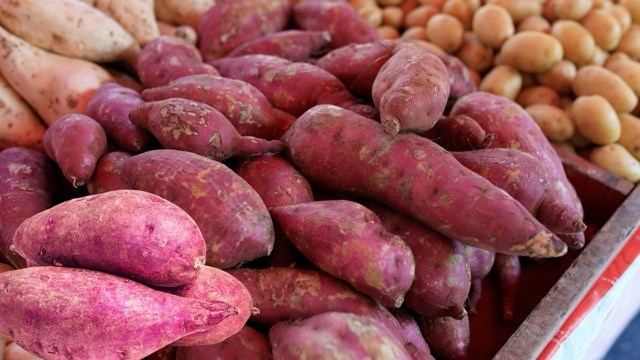
A Food That Crosses Cultures and Centuries
Sweet potatoes have traveled far, not just geographically, but culturally. In Japan, varieties like Satsumaimo are celebrated for their flavor, texture, and nutritional density. In Vietnam, sweet potatoes have long been associated with simplicity, resilience, and survival—a food of the countryside, of hard times, of balance rather than abundance.
What connects these cultures is not a miracle claim, but consistency. Sweet potatoes have endured because they are accessible, versatile, and deeply nourishing.
What Science Actually Says
Modern nutritional science has taken interest in sweet potatoes for reasons that are grounded in evidence, not exaggeration. They are rich in:
-
Dietary fiber, which supports digestive health and gut microbiota
-
Beta-carotene, especially in yellow and orange varieties, which the body converts into vitamin A
-
Polyphenols and antioxidants, which help reduce oxidative stress
-
Complex carbohydrates, providing steady energy rather than sharp sugar spikes
Oxidative stress and chronic inflammation are known contributors to many long-term health conditions. Foods that help reduce these processes are considered supportive—not curative—in disease prevention frameworks. This distinction matters.
Sweet potatoes do not treat cancer.
They do not replace medical care.
They support the body’s natural balance.
Why Japan Talks About It Differently
Japan’s reputation for longevity has drawn attention to its traditional diet, which emphasizes plant-based foods, portion control, and minimal processing. Sweet potatoes fit naturally into this pattern. When Japanese researchers and media discuss sweet potatoes in the context of health, they often highlight cell protection, metabolic support, and inflammation reduction, not direct disease treatment.
However, when these messages travel across languages and social media platforms, nuance is often lost. “Supports cellular health” becomes “anti-cancer.” This is not scientific dishonesty—it is oversimplification.
Vietnam Knew It Without the Language
Vietnamese culture did not need laboratory terms to understand the value of sweet potatoes. For centuries, they were eaten boiled, steamed, roasted, or dried—not as superfoods, but as daily sustenance.
They filled stomachs gently.
They provided energy without heaviness.
They were easy to digest, even during illness or recovery.
Traditional diets often judge food by how the body responds over time, not by isolated nutrients. Sweet potatoes passed that test long before modern nutrition existed.
A Metabolic Perspective
From a metabolic standpoint, sweet potatoes are particularly interesting. Despite their natural sweetness, they have a moderate glycemic index when eaten whole, largely due to their fiber content. This means they release glucose more slowly than refined carbohydrates, supporting more stable blood sugar levels.
This is one reason they are often recommended as a carbohydrate source in balanced diets focused on metabolic health. Again, not as medicine—but as a better choice.
The Danger of Over-Praising
Calling any food “the most powerful anti-cancer food” is not only inaccurate, but potentially harmful. It creates unrealistic expectations and may lead people to delay proper medical care. No responsible scientific body supports such claims.
What science does support is this: diets rich in whole, minimally processed plant foods are associated with lower risks of chronic disease over time. Sweet potatoes fit comfortably into that category.
Why Simple Foods Endure
Trends come and go. Exotic supplements rise and disappear. But simple foods remain. Sweet potatoes are still eaten because they are: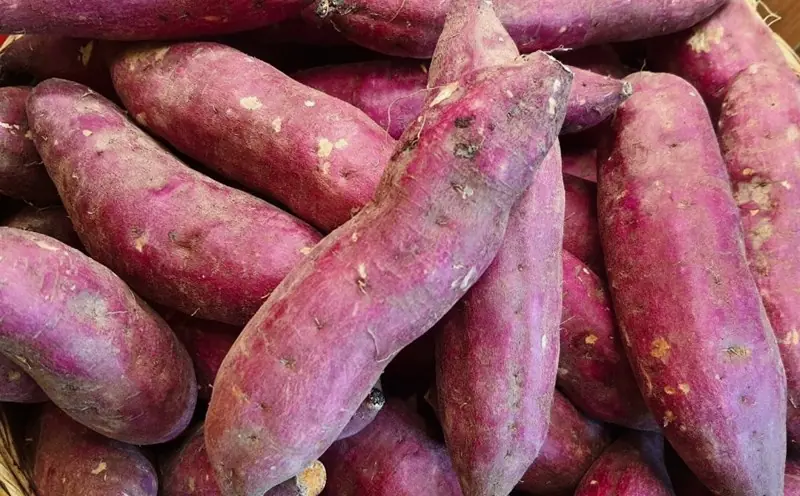
-
Affordable
-
Easy to prepare
-
Nutrient-dense
-
Culturally adaptable
They do not rely on marketing. They rely on experience.
From Survival Food to Functional Food
What once sustained people during scarcity is now studied as a functional food—not because it changed, but because science finally caught up to tradition. This pattern is repeated across many cultures: fermented foods, root vegetables, legumes, and grains long valued before being “rediscovered.”
Sweet potatoes are not powerful because they are rare.
They are powerful because they are reliable.
A More Honest Conclusion
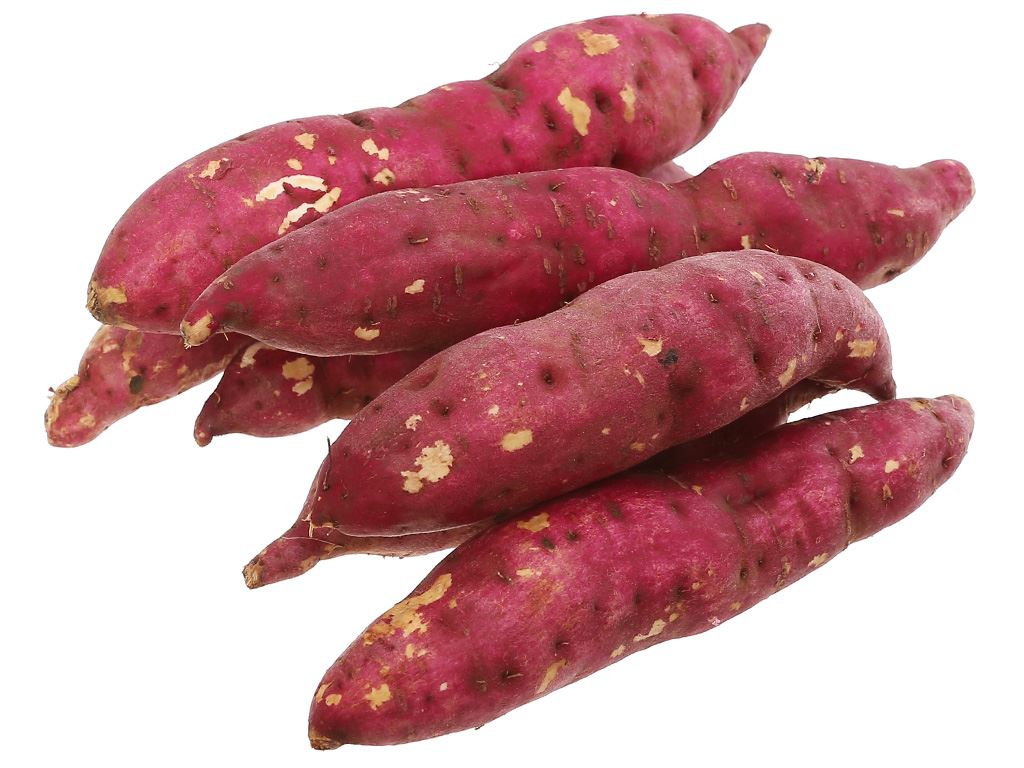
In Japan, sweet potatoes are praised through the lens of modern nutrition. In Vietnam, they are respected through memory and habit. Both perspectives are valid, as long as claims remain grounded.
Sweet potatoes do not cure disease. They support the body.
They do not replace treatment. They complement balance.
And perhaps that is why they have lasted for centuries—because they were never asked to be miraculous, only nourishing.