Many people have experienced this moment: you lie down at night, the room goes quiet, and suddenly you can hear or feel your heartbeat -
steady, rhythmic, sometimes loud enough to be distracting. For some, it feels normal and fleeting. For others, it becomes frequent,
uncomfortable, or even alarming.
Doctors explain that occasionally hearing your heartbeat while lying down is often harmless, especially in quiet environments. However,
when this sensation becomes persistent, unusually strong, or is accompanied by other symptoms, it may signal an underlying health
issue that should not be ignored.
Understanding why this happens and when it becomes a concern - can help you know when to seek medical advice.
Why You Might Hear Your Heartbeat When Lying Down
When you lie flat, especially on your side or back, changes in body position can make blood flow and internal sounds more noticeable. In a
quiet room, without background noise, the brain becomes more aware of internal sensations.
Common, non-serious reasons include:
-
Increased awareness in silence
-
Lying on the left side, which brings the heart closer to the chest wall
-
Temporary anxiety or stress
-
Physical exertion earlier in the day
-
Mild dehydration
In these cases, the sensation usually fades once you relax, change position, or fall asleep.
When Hearing Your Heartbeat May Be a Warning Sign
Doctors caution that persistent or unusually loud awareness of the heartbeat, especially when lying down, can sometimes be linked to
medical conditions affecting the heart, blood vessels, or nervous system.
1. High Blood Pressure (Hypertension)
Elevated blood pressure increases the force of blood moving through arteries. This stronger flow can make heartbeats feel more pronounced,
particularly when resting.
Warning signs may include:
-
Headaches
-
Dizziness
-
Chest tightness
-
Ringing in the ears
High blood pressure often develops silently, so noticing strong heartbeats at rest can sometimes be an early clue.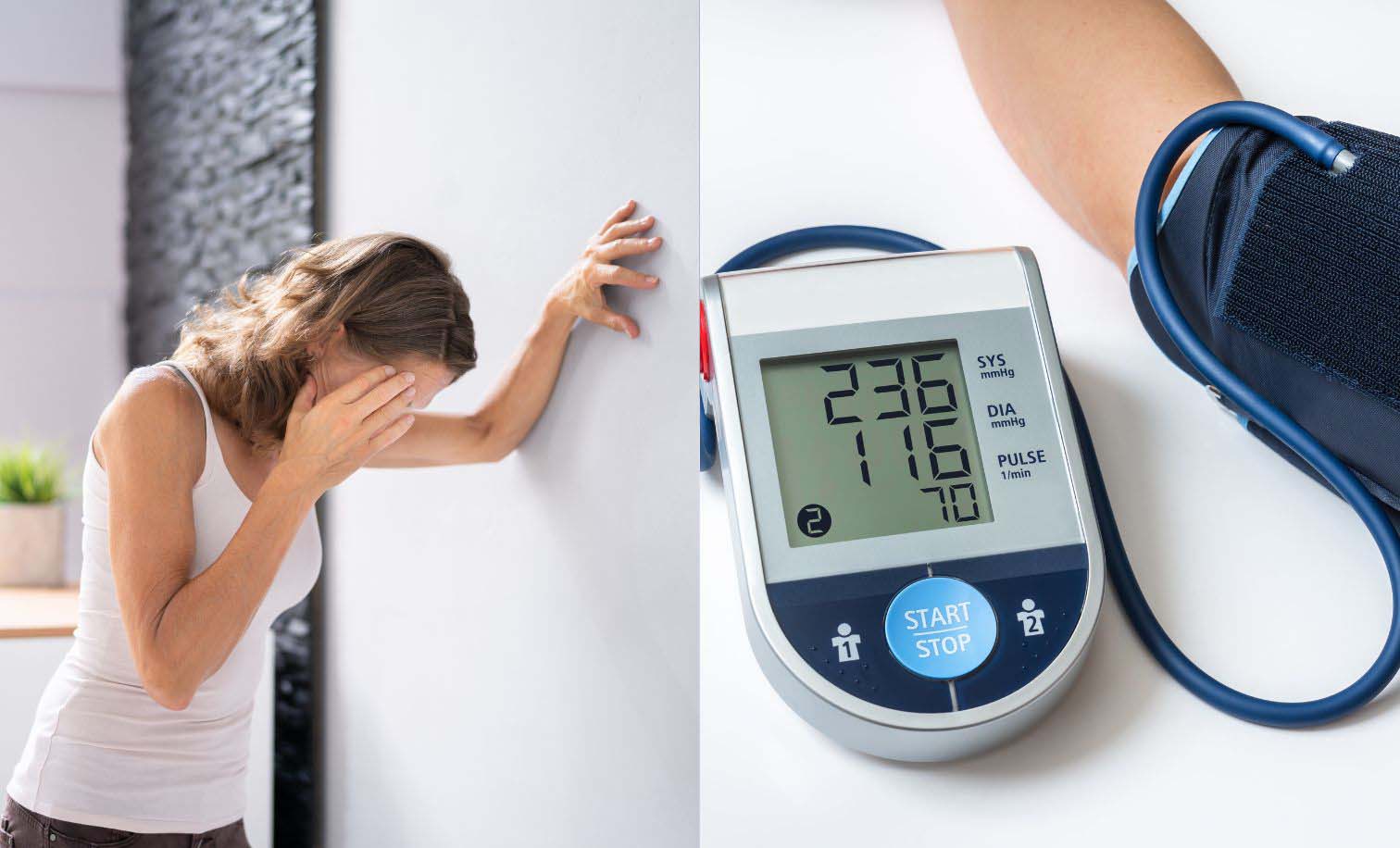
2. Heart Rhythm Disorders (Arrhythmias)
Irregular heart rhythms can cause sensations such as:
-
Pounding
-
Fluttering
-
Skipping beats
-
Sudden racing heart
When these sensations occur at rest or while lying down, they may feel especially noticeable. Some arrhythmias are harmless, but others
require medical evaluation and treatment.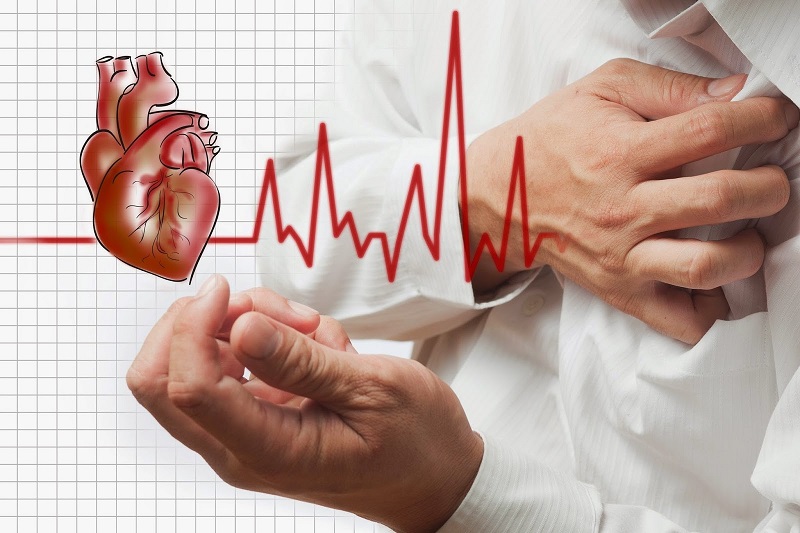
3. Anxiety and Panic Disorders
Anxiety increases adrenaline levels, which can heighten heart rate and sensitivity to bodily sensations. People with anxiety may become hyper-
aware of their heartbeat, especially at night when distractions fade.
Signs anxiety may be contributing include:
-
Racing thoughts
-
Shortness of breath
-
Chest tightness
-
Trouble falling asleep
While anxiety-related palpitations are common, they should still be evaluated to rule out physical causes.
4. Anemia
Low red blood cell or hemoglobin levels reduce oxygen delivery throughout the body. To compensate, the heart works harder, which can
make heartbeats feel stronger or faster even at rest.
Other symptoms may include:
-
Fatigue
-
Pale skin
-
Weakness
-
Shortness of breath
5. Thyroid Disorders
An overactive thyroid can speed up metabolism and heart rate, making heartbeats feel loud, fast, or irregular—particularly when lying still.
Additional symptoms may include:
-
Weight loss
-
Heat intolerance
-
Tremors
-
Sweating
-
Restlessness
6. Heart Valve or Structural Issues
Problems with heart valves or heart muscle structure can alter blood flow patterns, sometimes creating sensations of pounding or abnormal
heartbeat awareness. These conditions may progress slowly and present subtle early signs.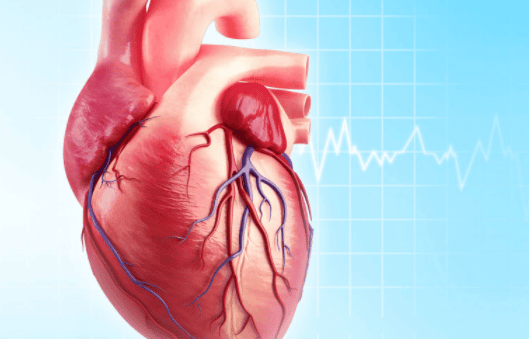
7. Pulsatile Tinnitus
Some people don’t feel their heartbeat in their chest but hear it in their ears, especially when lying down. This condition, called pulsatile
tinnitus, may be linked to:
-
Blood vessel abnormalities
-
High blood pressure
-
Increased intracranial pressure
Persistent pulsatile sounds should always be evaluated by a healthcare professional.
When You Should See a Doctor
Doctors recommend seeking medical attention if you notice:
-
Frequent or worsening heartbeat awareness at rest
-
Irregular or racing heartbeats
-
Chest pain or pressure
-
Dizziness or fainting
-
Shortness of breath
-
Swelling in legs or ankles
-
Sudden changes in heartbeat patterns
Early evaluation can help detect conditions before they become serious.
How Doctors Evaluate This Symptom
To identify the cause, a doctor may recommend:
-
Blood pressure measurement
-
Blood tests (anemia, thyroid function, electrolytes)
-
Electrocardiogram (ECG)
-
Holter or event monitor
-
Echocardiogram
-
Imaging of blood vessels if needed
These tests help distinguish harmless awareness from conditions requiring treatment.
What You Can Do to Reduce Harmless Heartbeat Awareness
If your doctor confirms there is no serious condition, the following steps may help reduce discomfort:
-
Reduce caffeine and alcohol intake
-
Stay well hydrated
-
Practice relaxation techniques before bed
-
Avoid heavy meals late at night
-
Sleep on your right side if left-side awareness is stronger
-
Manage stress and anxiety
Final Thoughts
Hearing or feeling your heartbeat while lying down is not always dangerous - but it should not be automatically dismissed, especially if it
becomes frequent or distressing. Your body often sends subtle signals when something is out of balance.
Doctors emphasize that listening to these signals and acting early - can prevent serious complications. If something feels unusual, persistent,
or concerning, seeking medical advice is not overreacting; it is responsible self-care.
Your heart works tirelessly every second of your life. Paying attention to how it feels at rest can be one of the simplest ways to protect your
long-term health.