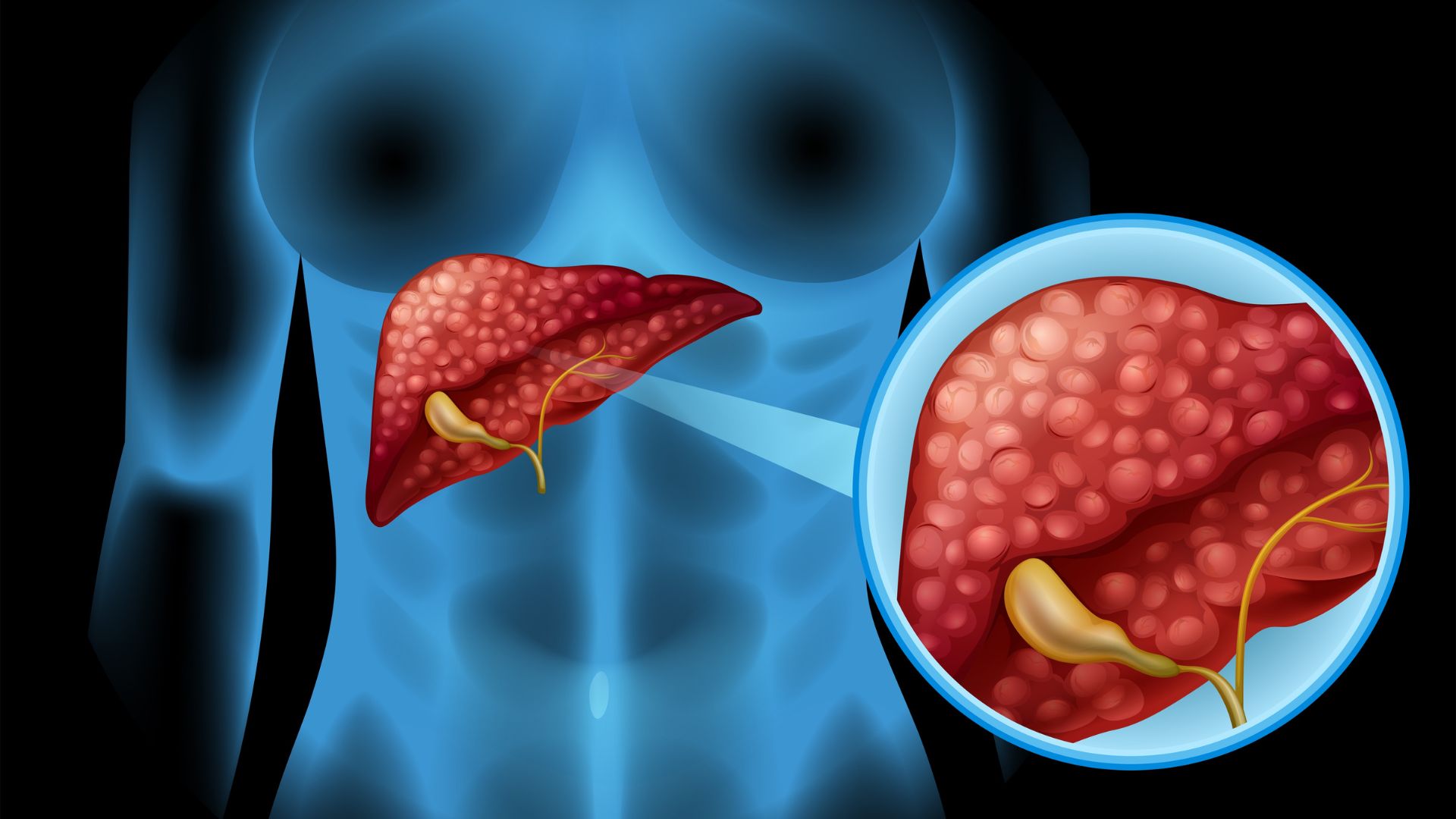
Fatty liver disease has quietly become one of the most widespread health conditions in the world, affecting millions of people across all ages and lifestyles. What makes it especially concerning is that it often develops without obvious symptoms, allowing damage to progress unnoticed for years. Left untreated, fatty liver can evolve into serious and even life-threatening liver conditions.
The encouraging news is that fatty liver is also one of the most reversible chronic conditions when addressed early. With appropriate
lifestyle changes, medical guidance, and consistency, many people can restore their liver health and prevent long-term complications.
This article provides a comprehensive look at fatty liver disease - what it is, what causes it, how to recognize early warning signs, how it’s
diagnosed, and most importantly, how it can be reversed and prevented.
1. What Is Fatty Liver Disease?
Fatty liver disease, medically known as hepatic steatosis, occurs when excess fat accumulates inside liver cells. While the liver normally
contains small amounts of fat, problems arise when fat makes up more than 5–10% of the liver’s weight, interfering with its ability to
function properly.
There are two main forms:
Non-Alcoholic Fatty Liver Disease (NAFLD)
This form occurs in people who consume little or no alcohol and is now the most common liver disorder worldwide. It is closely associated
with obesity, insulin resistance, and metabolic disorders.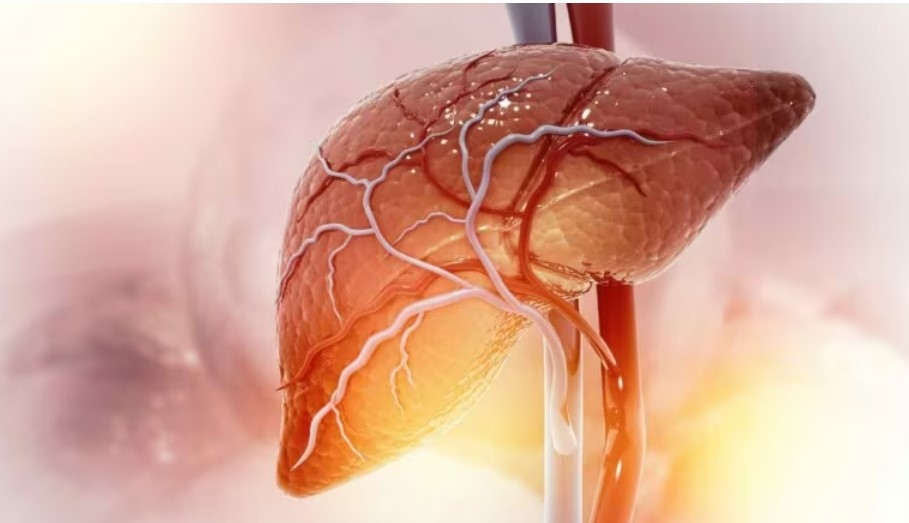
Alcoholic Fatty Liver Disease (AFLD)
This form results from excessive or prolonged alcohol consumption. Alcohol places direct stress on the liver, leading to fat accumulation and
oxidative damage.
Both forms can progress from simple fat buildup to inflammation, scarring, and eventually irreversible liver damage if not addressed.
2. What Causes Fatty Liver?
Fatty liver does not develop overnight. It is usually the result of multiple contributing factors that work together over time.
Common causes include:
Unhealthy diet
High intake of added sugars, refined carbohydrates, processed foods, and fried items overloads the liver with excess calories.
Overweight and obesity
Excess body fat increases the amount of fat delivered to the liver.
Insulin resistance
Often associated with type 2 diabetes, prediabetes, and metabolic syndrome. When insulin resistance occurs, the liver produces and stores more fat.
High cholesterol and triglycerides
Elevated blood fats are transported to the liver, worsening fat accumulation.
Physical inactivity
A sedentary lifestyle slows metabolism and promotes fat storage.
Alcohol consumption
Alcohol is metabolized in the liver and generates toxic byproducts that damage liver cells.
Genetic predisposition
Some individuals are more susceptible even with moderate lifestyles.
Certain medications
Steroids, hormone therapies, and some antiviral or anti-inflammatory drugs may increase risk.
Rapid weight loss
Extreme dieting or sudden weight loss can shock the liver and increase fat buildup.
Gut microbiome imbalance
Poor gut health may increase inflammation and worsen liver fat accumulation.
3. Early Warning Signs of Fatty Liver
Fatty liver disease is often referred to as a “silent condition” because symptoms may be absent in early stages. When signs do appear, they
are often subtle and easily overlooked.
Early symptoms may include:
-
Persistent fatigue
-
Unexplained weight gain, especially around the abdomen
-
Mild discomfort or heaviness in the upper right abdomen
-
Loss of appetite
-
Bloating or digestive discomfort
-
Difficulty concentrating or “brain fog”
As the disease progresses, more serious symptoms can develop:
-
Yellowing of the skin or eyes (jaundice)
-
Abdominal swelling
-
Leg or ankle swelling
-
Dark-colored urine
-
Easy bruising or bleeding
At this stage, medical intervention becomes urgent.
4. How Fatty Liver Is Diagnosed
Doctors use several tools to evaluate liver health:
Blood tests
Elevated liver enzymes (ALT and AST) may indicate liver inflammation.
Ultrasound
A common, non-invasive method to detect fat accumulation.
FibroScan (liver elastography)
Measures liver stiffness and fat content more accurately than ultrasound.
CT or MRI scans
Used for detailed imaging in complex cases.
Liver biopsy
The most definitive test, typically reserved for advanced or unclear diagnoses.
5. Why Fatty Liver Should Not Be Ignored
Fatty liver disease progresses through four main stages:
-
Simple fatty liver – excess fat without inflammation; fully reversible
-
Steatohepatitis (NASH or AASH) – inflammation begins
-
Fibrosis – scar tissue forms in the liver
-
Cirrhosis – severe, irreversible scarring that can lead to liver failure
Cirrhosis significantly increases the risk of:
-
Liver cancer
-
Internal bleeding
-
Severe infections
-
Organ failure
This is why early detection and lifestyle changes are critical.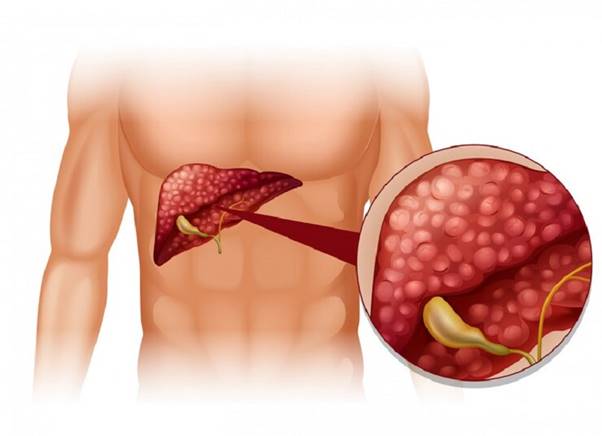
6. How to Reverse Fatty Liver: Evidence-Based Strategies
The liver is remarkable in its ability to regenerate. Many cases of fatty liver can be reversed - sometimes completely with consistent, healthy changes.
1. Gradual Weight Loss
Losing 5–10% of body weight can significantly reduce liver fat and inflammation.
2. Adopt a Liver-Friendly Diet
Focus on:
-
Leafy greens and vegetables
-
Whole grains
-
Lean proteins (fish, poultry, plant proteins)
-
Healthy fats (olive oil, nuts, seeds)
-
Antioxidant-rich fruits
Limit or avoid:
-
Sugary beverages
-
Processed snacks
-
Fried foods
-
Excess red meat
-
Alcohol
3. Exercise Consistently
Aim for:
-
At least 150 minutes of moderate exercise per week
-
Strength training twice weekly
Exercise reduces liver fat even without major weight loss.
4. Support Gut Health
Healthy gut bacteria reduce inflammation and liver stress. Include:
-
Yogurt or kefir
-
Fermented foods
-
Fiber-rich foods
5. Control Blood Sugar
Stabilizing glucose and insulin levels helps reduce fat storage in the liver.
6. Improve Cholesterol Levels
Diet, exercise, omega-3s, and medication (if prescribed) can help.
7. Eliminate Alcohol
Alcohol-related fatty liver can significantly improve within months of abstinence.
8. Stay Well Hydrated
Water supports detoxification and liver metabolism.
9. Prioritize Sleep
Poor sleep increases inflammation and insulin resistance.
10. Consider Supportive Herbal Options
Under medical guidance, some people use:
-
Milk thistle
-
Turmeric
-
Artichoke extract
-
Dandelion root
These may support liver function and reduce inflammation.
7. Long-Term Prevention Strategies
To protect liver health long term:
-
Maintain a stable, healthy weight
-
Avoid chronic overeating
-
Limit alcohol intake
-
Stay physically active
-
Manage stress
-
Schedule regular health check-ups
Preventing liver damage is far easier than treating advanced disease.
8. Final Thoughts
Fatty liver disease is increasingly common - but it is not inevitable or irreversible. When recognized early, it is one of the most manageable
liver conditions. Through informed choices, consistent lifestyle changes, and medical follow-up, liver health can be restored and maintained.
Your liver works tirelessly every day - filtering toxins, processing nutrients, regulating metabolism, and supporting overall balance. Protecting
it is not just about avoiding disease; it’s about investing in long-term vitality and quality of life.
Small changes today can lead to a healthier liver tomorrow.