Why You Often Need to Poop Right After Eating — What Doctors Say
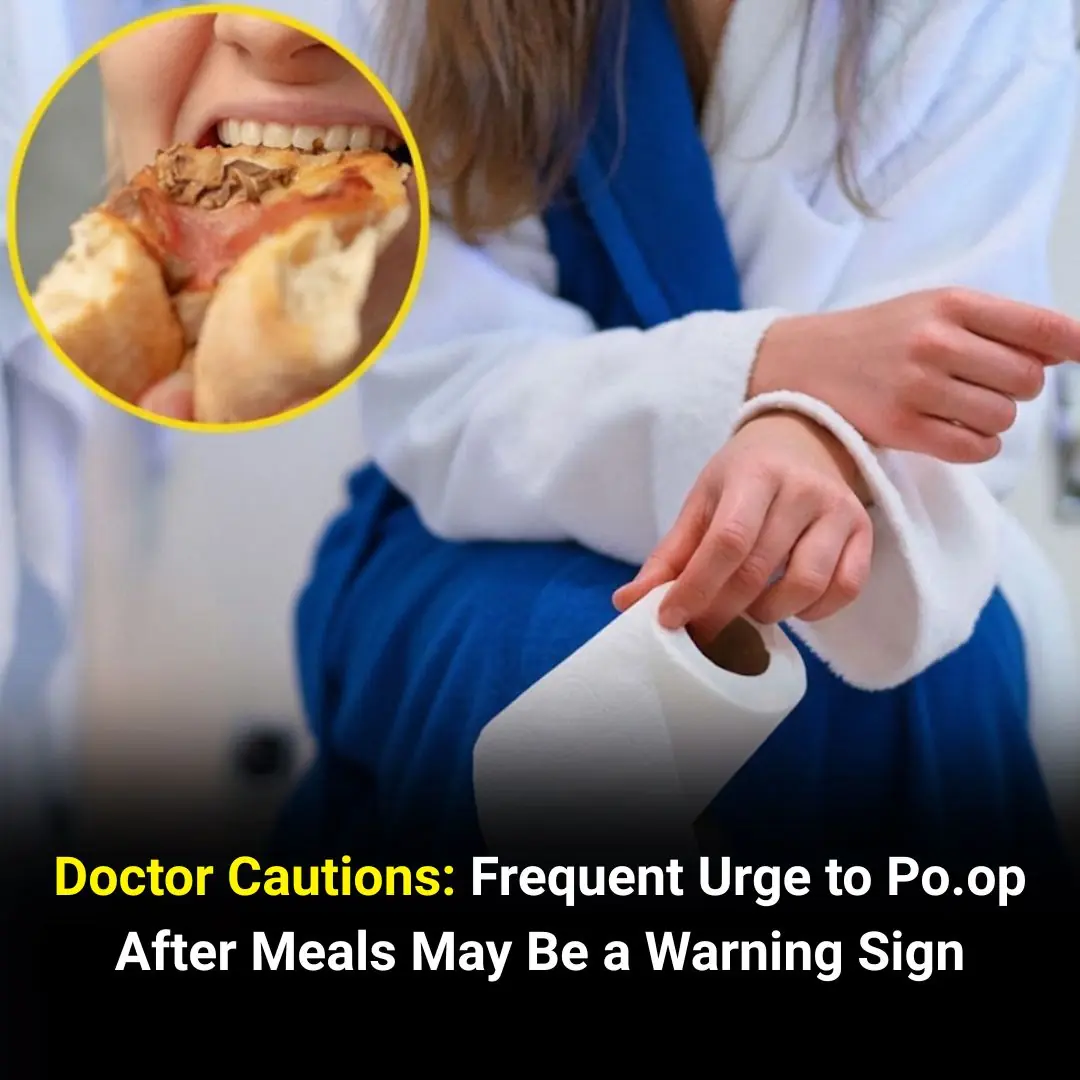
Many people experience an urgent need to use the bathroom shortly after eating, sometimes within minutes of finishing a meal. While this can feel alarming or inconvenient, doctors explain that it is often linked to a natural digestive response. However, in some cases, it may also point to an underlying digestive issue that shouldn’t be ignored.
Understanding why this happens can help you decide when it’s normal — and when it may be time to pay closer attention to your gut health.
The Gastrocolic Reflex: A Normal Digestive Response
In most cases, the sudden urge to poop after eating is caused by a natural bodily mechanism known as the gastrocolic reflex. When food enters the stomach, the stomach stretches. This triggers signals to the colon, telling it to start contracting and moving existing waste forward to make room for new food.
This reflex helps regulate digestion and bowel movements. It does not mean that the food you just ate is passing straight through your system. Instead, it’s your body clearing out what was already there.
For many people, this reflex is mild and barely noticeable. For others, it can feel strong and urgent.
Why Some People Feel the Urge More Strongly
Everyone has a gastrocolic reflex, but its intensity varies. Some individuals have a more sensitive digestive system, which makes the reflex stronger and faster.
People with irritable bowel syndrome (IBS) often experience an exaggerated gastrocolic reflex. Their intestines may be more reactive to stretching and nerve signals, leading to cramping, urgency, or loose stools after meals.
Stress and anxiety can also amplify gut activity. Because the brain and digestive system are closely connected, emotional tension can trigger stronger bowel contractions after eating.
Foods and Habits That Can Trigger Urgency
Certain factors can make the need to poop after eating more noticeable, including:
-
Large meals that stretch the stomach more than usual
-
High-fat or greasy foods
-
Caffeinated drinks like coffee or energy drinks
-
Alcohol
-
Food intolerances, such as lactose or certain carbohydrates
-
Spicy or heavily processed foods
These triggers don’t always signal a medical problem, but frequent reactions may indicate food sensitivity or digestive imbalance.

When It May Be a Warning Sign
While post-meal bowel movements are often normal, doctors advise paying attention if the pattern is frequent, sudden, or disruptive, especially when combined with other symptoms.
You should consider medical advice if you experience:
-
Diarrhea after most meals
-
Abdominal pain, cramping, or bloating
-
Urgent bowel movements that are hard to control
-
Unexplained weight loss
-
Symptoms that persist for several weeks
In these cases, the issue may be related to IBS, food intolerance, malabsorption, inflammation, or another gastrointestinal condition that needs evaluation.
How to Manage the Symptoms
If needing to poop immediately after eating interferes with daily life, several strategies may help:
-
Eat smaller, more frequent meals instead of large ones
-
Identify and limit trigger foods
-
Reduce fatty, fried, and highly processed foods
-
Manage stress through relaxation techniques
-
Keep a food and symptom diary to spot patterns
These steps can often reduce the intensity of the gastrocolic reflex and improve digestive comfort.
The Bottom Line
Needing to poop shortly after eating is usually caused by the gastrocolic reflex — a normal part of digestion. For most people, it’s harmless. However, if the urge is strong, frequent, or accompanied by pain or diarrhea, it may be your body signaling a deeper digestive issue.
Listening to your symptoms and seeking medical guidance when needed can help protect your gut health and prevent long-term problems.