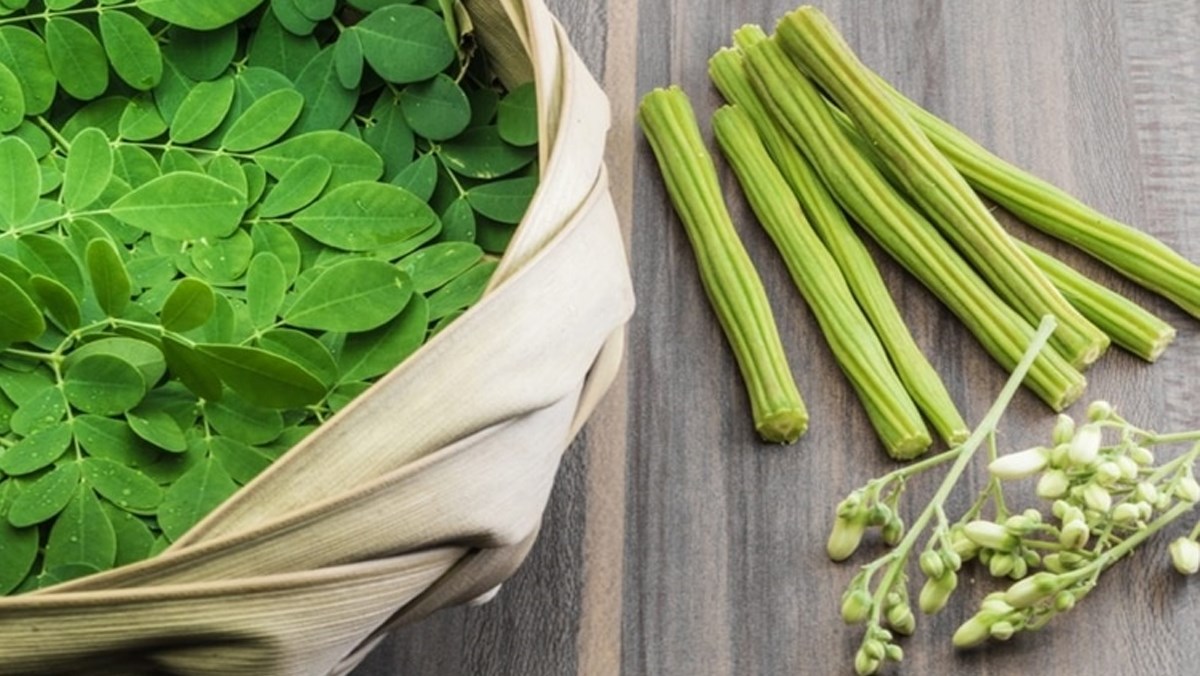
In recent years, moringa has attracted growing attention for its impressive nutritional profile and wide range of health benefits. This leafy
green vegetable, commonly found in local markets, is often compared to bird’s nest because of its dense concentration of nutrients. Despite
being affordable and easy to find, many people are still unfamiliar with how valuable moringa truly is - or how to include it properly in their
diet.
So what makes moringa stand out among ordinary vegetables?
Nutritional Value of Moringa
Rich Source of High-Quality Protein
Moringa leaves contain all 18 essential amino acids, making them a rare and complete plant-based protein source. Protein is essential for
building and repairing muscles, bones, skin, and blood, as well as supporting the production of enzymes and hormones.
Because of this, moringa is especially popular among vegetarians and people looking to reduce meat consumption. Its protein content is
considered comparable to that of many animal-based foods, which is uncommon for leafy vegetables.
Exceptionally High in Calcium and Magnesium
Moringa is particularly notable for its mineral content. In just 100 grams of fresh leaves, moringa provides a significant amount of calcium—
often reported to be several times higher than that found in milk. This makes it an excellent food for supporting bone and tooth health.
In addition, moringa contains a high level of magnesium, a mineral that plays a key role in helping the body absorb calcium effectively.
Magnesium also supports muscle function, nerve health, and energy metabolism. Regular consumption of moringa may therefore help reduce
the risk of osteoporosis, especially in older adults.
Abundant in Vitamins A and C
Studies suggest that moringa contains multiple times more vitamin A than carrots and significantly more vitamin C than oranges.
Vitamin A is essential for maintaining good vision, healthy skin, and immune function, while vitamin C supports immunity, wound healing, and
antioxidant protection.
By including moringa in the diet, the body can efficiently absorb these vitamins in a natural, whole-food form.
High Antioxidant Content
Moringa contains dozens of antioxidant compounds, including flavonoids, polyphenols, and carotenoids. These antioxidants help neutralize
free radicals - unstable molecules that contribute to inflammation, cellular damage, and chronic disease.
Thanks to this antioxidant richness, moringa may help protect cells from long-term damage and support overall health, particularly in the eyes
and nervous system.
Contains Cytokinin Compounds That Support Cell Health
One unique feature of moringa is its natural content of cytokinins, plant compounds involved in cell growth and regeneration. These
compounds help slow cellular aging and support skin health by promoting healthy cell turnover.
This is one reason moringa is often praised for its potential anti-aging properties, especially when consumed regularly as part of a balanced
diet.
Potential Health Benefits of Moringa
Supporting the Body’s Defense Against Chronic Disease
The combination of antioxidants, vitamins, and plant compounds in moringa helps reduce oxidative stress in the body. This protective effect
may lower the risk of chronic conditions associated with inflammation and cellular damage.
Anti-Aging Support
Moringa contains naturally occurring compounds such as zeatin, which has been studied for its role in slowing cellular aging. These
compounds help protect cells and support skin vitality, making moringa a popular ingredient in both diets and skincare products.
Helping Regulate Blood Sugar Levels
Some studies suggest that moringa leaves contain compounds such as isothiocyanates, which may help support healthy blood sugar levels.
In certain observations, individuals who consumed small amounts of moringa leaf powder daily experienced improvements in blood sugar
control over time.
While moringa is not a replacement for medical treatment, it may serve as a supportive dietary addition for people managing blood sugar
concerns under professional guidance.
Reducing Inflammation
Moringa leaves, seeds, and fruits contain anti-inflammatory compounds that may help reduce swelling and irritation in the body. This can be
beneficial for joint health, muscle recovery, and overall inflammatory balance.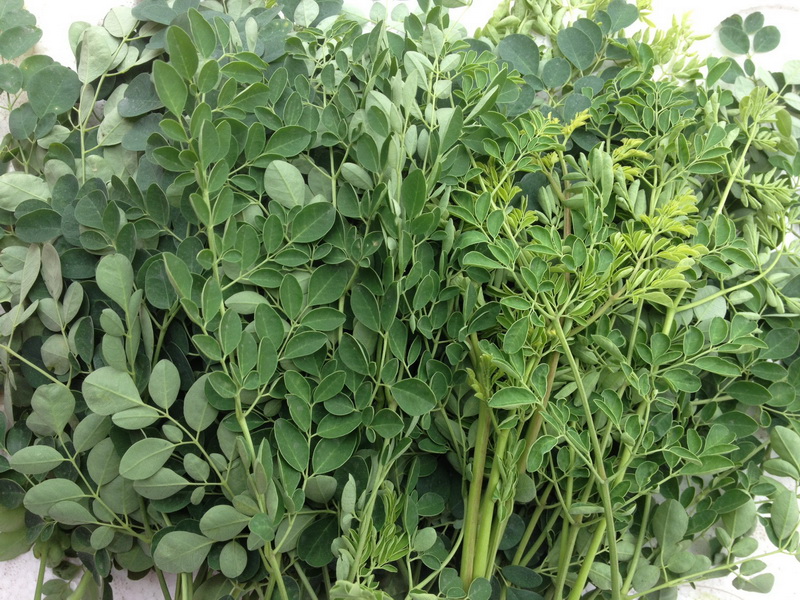
Supporting Bone Health
With its high calcium and magnesium content, moringa is considered one of the most supportive plant-based foods for maintaining strong
bones, especially when combined with adequate vitamin D and physical activity.
Important Notes on Consuming Moringa
Despite its many benefits, moderation is essential. Excessive intake of moringa may lead to too much calcium or vitamin C, which can cause
digestive discomfort or other imbalances.
Additional precautions include:
-
Avoid consuming moringa late in the afternoon or evening, as it may cause difficulty sleeping in some individuals
-
Pregnant women, especially in early pregnancy, should avoid moringa unless advised by a healthcare professional, as it may carry certain risks
-
Always introduce moringa gradually and observe how your body responds
Final Thoughts
Moringa is a highly nutritious vegetable that deserves far more attention than it currently receives. Affordable, widely available, and packed
with essential nutrients, it offers impressive support for protein intake, bone health, immunity, and overall wellness.
When consumed correctly and in moderation, moringa can be a powerful addition to a healthy diet. Sometimes, the most valuable foods are
not the most expensive ones - but the ones we simply haven’t learned how to use yet.