When Bitten by a Snake, These First Actions Can Save Your Life
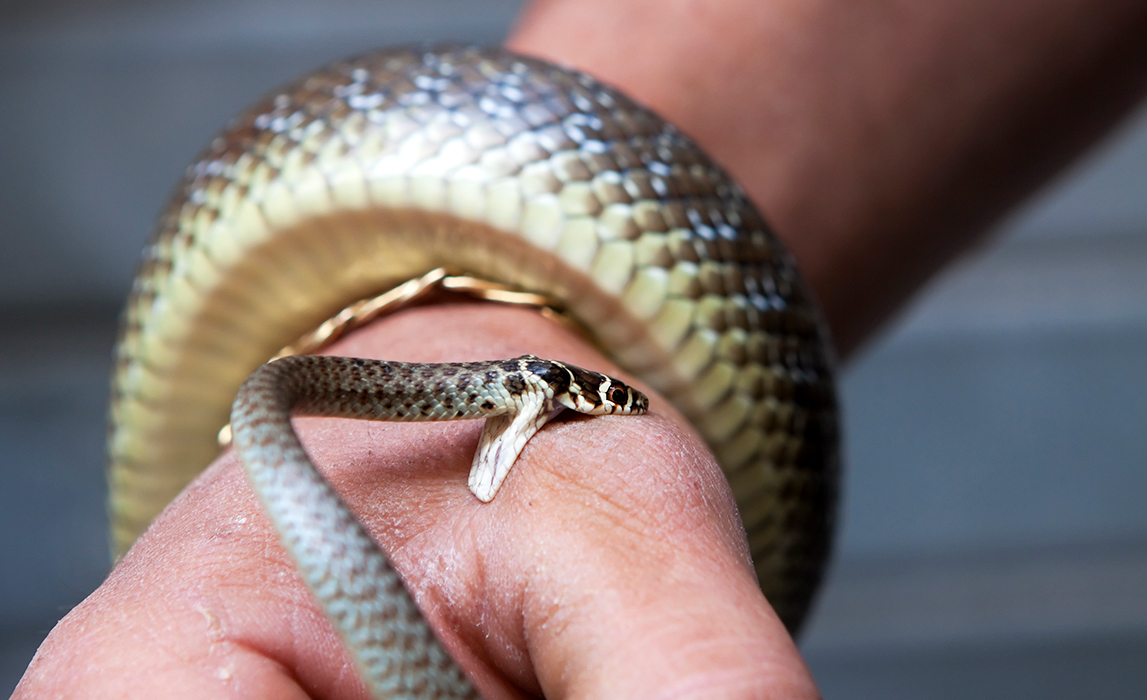
Snake bites are terrifying not because they happen often, but because when they do happen, panic and misinformation can be more dangerous than the bite itself.
Many people grow up hearing myths about snake bites — cutting the wound, sucking out venom, or tying the limb as tightly as possible. Unfortunately, these actions can worsen tissue damage and delay proper treatment.
The moments immediately after a snake bite matter. What you do — and what you avoid — can significantly affect the outcome.
This article explains what to do first if bitten by a snake, based on widely accepted medical guidance and emergency response principles.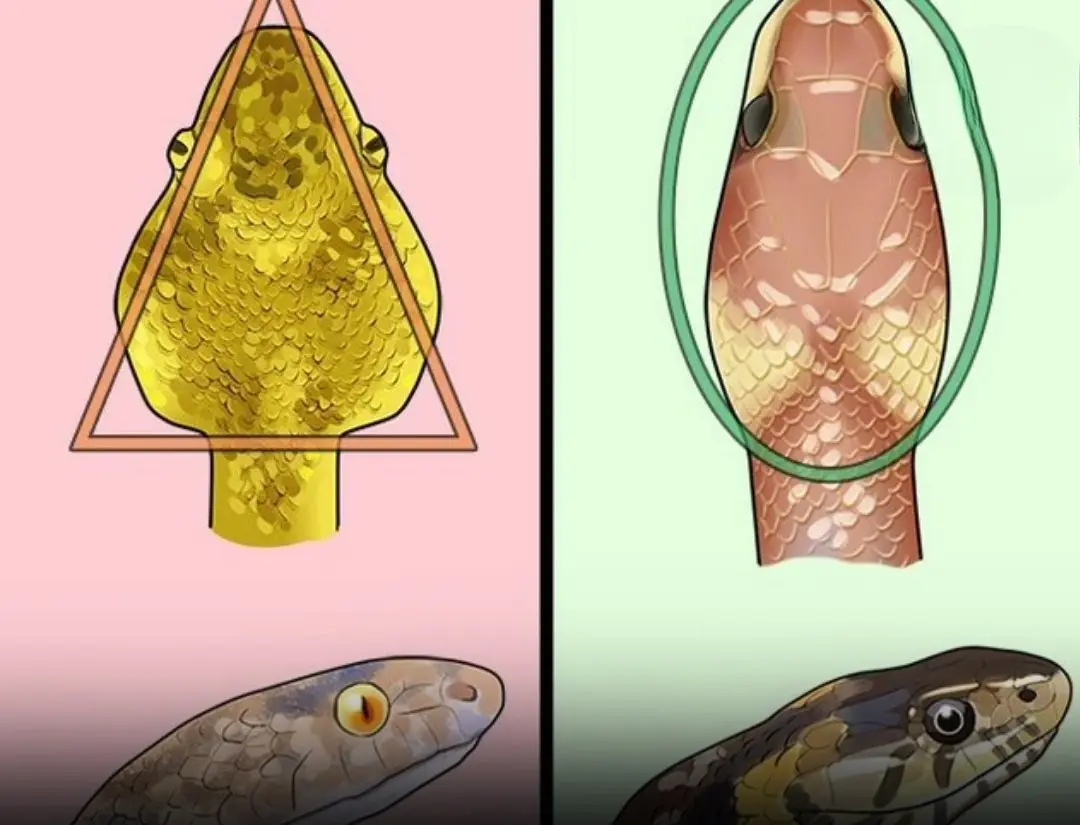
First: Understand the Risk Clearly
Not all snakes are venomous.
Not all bites inject venom.
However, you should always assume a bite is dangerous until proven otherwise.
Trying to identify the snake, guessing the venom level, or waiting to “see how it feels” wastes precious time. Snake venom can spread through the lymphatic system and bloodstream, and symptoms may be delayed.
Every snake bite is a medical emergency.
1. Stay Calm — Panic Accelerates Venom Spread
This sounds simple, but it is critical.
When panic sets in:
-
Heart rate increases
-
Blood circulation speeds up
-
Venom spreads faster through the body
Fear-driven movement can worsen the situation.
What to do instead
-
Take slow, deep breaths
-
Keep the body as still as possible
-
Focus on controlled actions
Staying calm does not eliminate danger — but it slows escalation.
2. Immobilize the Affected Limb Immediately
Movement is one of the main factors that increases venom circulation.
Correct approach
-
Keep the bitten limb still and below heart level
-
Use a splint or firm object if available
-
Avoid walking if the leg is bitten
-
Avoid using the bitten arm
Immobilization reduces venom spread and buys time for medical treatment.
3. Remove Tight Objects Near the Bite Area
Swelling often occurs after a snake bite.
If rings, bracelets, watches, or tight clothing remain in place, swelling can:
-
Restrict blood flow
-
Increase tissue damage
-
Complicate later medical care
Remove these items as soon as possible, before swelling begins.
4. Clean the Wound Gently — Do NOT Interfere
If possible:
-
Rinse the bite area gently with clean water
-
Do not scrub aggressively
Do NOT
.jpg)
-
Cut the wound
-
Suck out venom
-
Apply chemicals or herbal substances
-
Burn the bite area
These actions do not remove venom and often increase infection and tissue injury.
5. Apply a Firm Bandage Only If Trained
In some regions, pressure immobilization bandaging is used — but only when done correctly and only for certain types of snake venom.
Incorrect bandaging can:
-
Cut off blood flow
-
Cause severe tissue damage
If you are not trained in this technique, do not attempt it. Immobilization alone is safer than a poorly applied bandage.
6. Get Medical Help Immediately
This step cannot be delayed.
What matters
-
Go to the nearest medical facility
-
Call emergency services if available
-
Transport the person safely and quickly
Antivenom is the only proven treatment for venomous snake bites, and it must be administered by medical professionals.
Do not rely on home remedies or waiting for symptoms to worsen.
7. What NOT to Do — Common Dangerous Myths
Many traditional beliefs persist, but they can be harmful.
Avoid these actions
-
❌ Cutting the bite
-
❌ Sucking venom by mouth
-
❌ Using tourniquets
-
❌ Applying ice directly
-
❌ Drinking alcohol or caffeine
-
❌ Giving food or medication unless advised
These methods do not neutralize venom and may worsen complications.
Why Snake Bite Myths Are So Dangerous
Snake bites create fear, and fear creates urgency. In urgent moments, people rely on what they’ve heard — not what is medically correct.
The problem is that many snake-bite myths were never effective, and modern medicine has proven better outcomes with proper first aid and antivenom.
Knowing what not to do is just as important as knowing what to do.
Symptoms May Not Appear Immediately
Another dangerous misconception is believing that “no pain means no danger.”
Some snake bites:
-
Cause mild pain initially
-
Show symptoms hours later
-
Progress silently
This is why waiting for symptoms is not safe.
Medical evaluation is necessary even if the bite seems minor.
Why Speed Matters — But Calm Matters More
Rushing without direction leads to mistakes.
Calm, correct action leads to survival.
Snake bites are not about heroics. They are about:
-
Stillness
-
Speed to medical care
-
Avoiding harmful interventions
Final Thought: Knowledge Is the Real First Aid
In a snake bite emergency, the body is already under threat. The goal of first aid is not to fix the problem — it is to prevent it from getting worse until professional treatment is available.
Most damage from snake bites does not come from venom alone — it comes from delayed treatment and incorrect first aid.
Remember this:
Stay calm. Stay still. Get help fast.
What you don’t do can matter as much as what you do.
Share this knowledge. In the right moment, it can save a life.