Cancer Is Often Silent at First — But Your Bathroom Habits May Speak Volumes
Cancer is widely known as one of the most serious health challenges of our time. What makes it especially dangerous is not only its severity, but its silence. In many cases, cancer develops quietly, without pain or obvious warning signs in the early stages. By the time noticeable symptoms appear, the disease may already be advanced.
However, the body is rarely completely silent. One of the most overlooked areas where early warning signs may appear is something people experience every single day: bathroom habits. Changes in urination or bowel movements can sometimes be subtle indicators that something deeper is happening inside the body.
This article explores eight warning signs related to bathroom habits that should never be ignored. While these signs do not automatically mean cancer, they are strong enough signals to justify an early medical check-up.
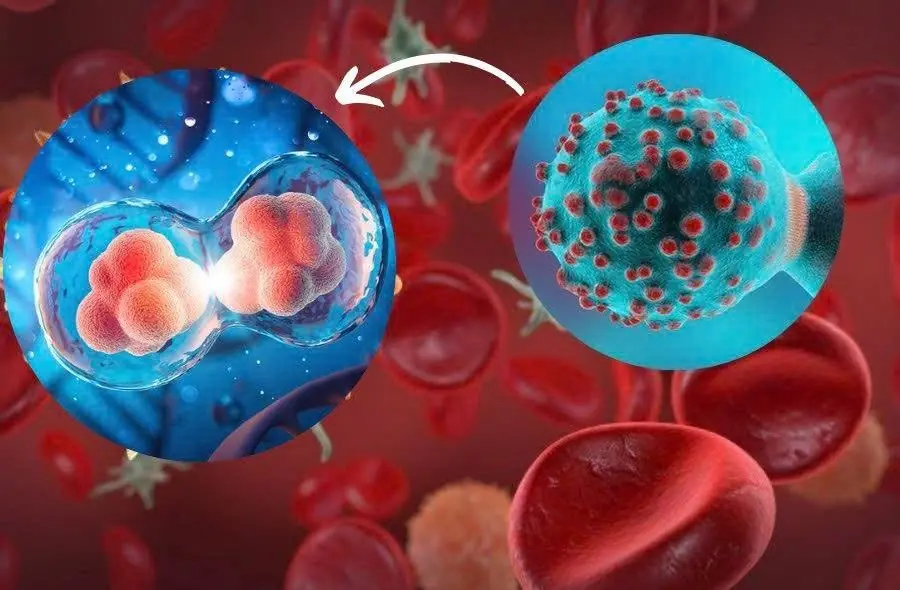
Why Early Detection Matters More Than Ever
Early detection can dramatically improve treatment outcomes. When cancer is identified in its initial stages, treatment options are often less aggressive, recovery rates are higher, and survival chances increase significantly.
The problem is that many people dismiss early signs as stress, aging, diet changes, or temporary discomfort. This delay can cost valuable time. Paying attention to everyday bodily changes — especially those that persist — can quite literally save lives.
1. Blood in Urine or Stool
Seeing blood when using the bathroom is one of the most alarming signs, yet many people ignore it or assume it is caused by hemorrhoids or minor infections.
Blood in the urine may be associated with bladder, kidney, or prostate cancer.
Blood in the stool can be linked to colorectal cancer.
Even if the blood appears only once or in small amounts, it should never be dismissed without medical evaluation.
2. Persistent Changes in Bowel Habits
A sudden and lasting change in bowel habits is another major warning sign. This includes:
-
Chronic diarrhea
-
Long-term constipation
-
Alternating between diarrhea and constipation
If these changes persist for weeks without a clear explanation such as diet or medication, they may indicate colorectal or digestive system issues that require investigation.
3. Feeling That the Bladder Never Fully Empties
Frequently feeling like the bladder is not completely empty after urinating can be a subtle but important signal.
This sensation may be associated with prostate cancer in men or bladder tumors that interfere with normal urine flow. While infections can cause similar symptoms, persistent or recurring sensations deserve medical attention.
4. Frequent Urination, Especially at Night
Needing to urinate far more often than usual — particularly waking up multiple times at night — can disrupt sleep and overall quality of life.
While this symptom is sometimes linked to diabetes or urinary tract infections, it may also be connected to prostate or bladder abnormalities. Ignoring frequent nighttime urination because it seems “normal with age” can be a dangerous assumption.
5. Pain or Burning During Urination
Pain, burning, or discomfort while urinating is commonly blamed on infections. However, when this sensation continues even after treatment or occurs without signs of infection, it may indicate something more serious.
In some cases, cancers affecting the urinary tract can irritate surrounding tissues, causing persistent discomfort.
6. Narrow or Unusual Stool Shape
A noticeable change in stool shape — particularly consistently thin or pencil-like stools — can be a sign of obstruction in the colon.
This may occur when a tumor narrows part of the intestinal passage. While occasional changes are normal, consistent abnormalities should not be ignored.
7. Unexplained Fatigue After Bathroom Use
Feeling unusually exhausted after bowel movements or urination may seem unrelated, but it can be connected to internal blood loss or anemia caused by certain cancers.
Chronic fatigue that does not improve with rest, especially when combined with other symptoms, is the body’s way of signaling that something is wrong.
8. Pain or Pressure in the Lower Abdomen or Pelvic Area
Persistent pressure, discomfort, or dull pain in the lower abdomen or pelvic region — especially when associated with bathroom habits — may indicate tumors pressing on internal organs.
This sensation is often overlooked because it may not be severe, but long-term discomfort should always be evaluated.
Why People Ignore These Signs
One of the biggest dangers is not the symptoms themselves, but normalization. People often convince themselves that changes are due to stress, diet, aging, or temporary illness. Fear also plays a role — many avoid check-ups because they are afraid of what doctors might find.
Unfortunately, avoidance does not prevent disease. It only delays diagnosis.
What to Do If You Notice These Symptoms
If one or more of these signs appear and persist for more than two weeks, the next step should be simple and immediate: see a healthcare professional.
A medical check-up does not mean bad news. In many cases, symptoms are caused by treatable, non-cancerous conditions. But only proper testing can provide certainty.
Early action provides peace of mind — or early intervention when it matters most.
Final Thought: Listen to the Body, Not Assumptions
Cancer does not always announce itself with pain or dramatic symptoms. Sometimes, it whispers through everyday changes — even during routine bathroom visits.
Ignoring these signs does not make them disappear. Paying attention, staying informed, and seeking timely medical advice is an act of self-care, not fear.
Do not be subjective. Be proactive. Early awareness saves lives.