If You Have Leg Cramps at Night, Your Body May Be Sending a Quiet Warning
Waking up in the middle of the night with a sudden, sharp pain in your leg is an experience many people know too well. One moment you are asleep, the next you are wide awake, gripping your calf, waiting for the pain to pass.
Nighttime leg cramps are often dismissed as harmless or temporary. People blame stress, overwork, age, or simply “sleeping wrong.” But when these cramps happen frequently, they may be the body’s subtle way of asking for attention.
The body rarely sends signals without a reason. Night cramps are not random. They are messages — quiet ones — and understanding them can make a real difference to long-term health.
What Are Nighttime Leg Cramps?
Nighttime leg cramps are sudden, involuntary muscle contractions, most commonly affecting the calf, foot, or thigh. They can last from a few seconds to several painful minutes and may leave lingering soreness afterward.
Unlike restless leg syndrome, which causes an urge to move, cramps involve actual muscle tightening and pain.
They often occur during rest or sleep, when the body is supposed to be recovering.
Why the Body Cries Out at Night
At night, the nervous system shifts into repair mode. Blood circulation slows, muscles relax, and electrolyte balance becomes more noticeable. This is when imbalances or deficiencies tend to show themselves most clearly.
In other words, nighttime is when the body stops compensating — and starts signaling.
1. Possible Mineral Imbalance
One of the most common contributors to leg cramps is an imbalance in key minerals, especially:
-
Magnesium
-
Potassium
-
Calcium
These minerals play a critical role in muscle contraction and relaxation. When levels are low or poorly absorbed, muscles may contract uncontrollably.
Highly processed diets, dehydration, excessive caffeine, and certain medications can all affect mineral balance — often without obvious symptoms during the day.
Night cramps may be the first sign that something is off.
2. Dehydration You Don’t Notice
Many people believe dehydration only happens in extreme heat or intense exercise. In reality, mild, chronic dehydration is extremely common.
When the body lacks sufficient fluids:
-
Electrolyte balance shifts
-
Muscle fibers become more sensitive
-
Nerve signals misfire
At night, when fluid intake stops, the effect becomes more noticeable — and cramps appear.
3. Poor Circulation
Healthy muscles need a steady supply of oxygen and nutrients. Reduced circulation, especially in the legs, can contribute to nighttime cramping.
Factors that may affect circulation include:
-
Long periods of sitting or standing
-
Lack of physical activity
-
Smoking
-
Tight clothing
-
Certain chronic conditions
When blood flow slows at night, muscles that are already under-supplied may respond with painful contractions.
4. Muscle Overuse or Prolonged Strain
Muscles remember what they endure during the day.
Long hours of:
-
Standing
-
Walking on hard surfaces
-
Wearing unsupportive shoes
-
Repetitive movements
can leave muscles fatigued and tense. When they finally relax at night, they may seize instead of resting.
Night cramps are sometimes delayed reactions to daytime strain.
5. Nerve Sensitivity and Signal Disruption
Muscle movement is controlled by nerve signals. If nerves are irritated, compressed, or overstimulated, they may send incorrect messages.
This can happen due to:
-
Spinal posture issues
-
Vitamin B deficiencies
-
Prolonged poor sleeping positions
At night, when the nervous system recalibrates, miscommunication can result in sudden muscle tightening.
6. Blood Sugar Fluctuations
Blood sugar levels influence nerve and muscle function more than most people realize.
Frequent spikes and crashes — often linked to diets high in refined carbohydrates and sugar — can affect how muscles respond to nerve signals.
Some people notice leg cramps more often when their blood sugar regulation is unstable, especially during long fasting periods at night.
Why Night Cramps Are Often Ignored
Night cramps are brief. They come and go. And because they don’t usually appear during doctor visits, they are easy to dismiss.
Common thoughts include:
-
“It’s just age.”
-
“I must be tired.”
-
“It’s nothing serious.”
But repetition is the key signal. Occasional cramps are normal. Frequent cramps are information.
What the Body May Be Asking For
In many cases, the body is not signaling danger — it is signaling imbalance.
That imbalance may involve:
-
Hydration
-
Nutrition
-
Movement patterns
-
Recovery time
-
Nervous system stress
Listening early allows small corrections instead of larger interventions later.
Simple Steps That Often Help
Without making medical claims, many people find relief by focusing on fundamentals: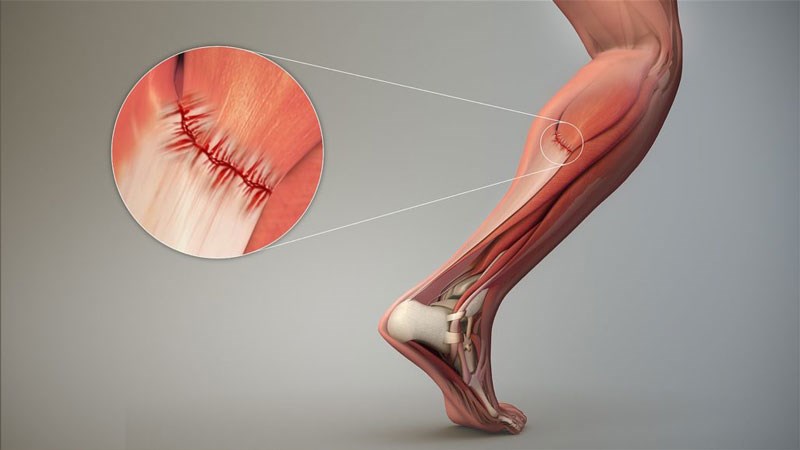
-
Drinking adequate water throughout the day
-
Stretching calves and feet before sleep
-
Improving sleep posture
-
Reducing excessive caffeine and alcohol
-
Eating more whole, mineral-rich foods
-
Moving regularly during the day
These changes support the body’s natural regulation systems.
When to Pay Closer Attention
If leg cramps are:
-
Frequent
-
Severe
-
Increasing over time
-
Accompanied by swelling, numbness, or weakness
they should not be ignored. A medical professional can help rule out underlying conditions and provide proper guidance.
Seeking advice is not overreacting — it is proactive care.
Final Thought: Pain Is a Message, Not an Enemy
Nighttime leg cramps are uncomfortable, disruptive, and easy to brush off. But pain, even brief pain, exists for a reason.
The body does not speak in words. It speaks in sensations.
When cramps repeat, they are not trying to ruin sleep — they are trying to be heard.
Listen early. Adjust gently. And give the body what it has been quietly asking for.