
Eggs are widely considered a nutritious and affordable food. They are rich in high-quality protein, vitamins, and essential minerals, making
them a staple in many diets around the world. However, eggs are not suitable for everyone in all situations. Depending on individual
health conditions, preparation methods, and dietary needs, eating eggs may sometimes do more harm than good.
Below are 6 situations in which limiting or avoiding eggs may be advisable, along with explanations to help you make informed choices.
1. People With Egg Allergies
This is the most clear-cut case. Egg allergy is one of the most common food allergies, especially in children, though some adults are affected
as well.
Symptoms may include:
-
Skin rashes or hives
-
Swelling of lips, face, or throat
-
Digestive discomfort
-
Difficulty breathing in severe cases
For individuals with a confirmed egg allergy, avoiding eggs entirely is essential, as even small amounts can trigger a reaction. In such cases,
eggs should be eliminated in all forms, including baked goods and processed foods that contain egg derivatives.
2. People With High Cholesterol or Certain Heart Conditions
Egg yolks contain a significant amount of dietary cholesterol. While recent research suggests that cholesterol from food does not affect
everyone equally, some individuals are more sensitive.
People who may need to limit egg yolks include:
-
Those with consistently high LDL (bad) cholesterol
-
Individuals with a history of heart disease
-
People advised by doctors to follow a low-cholesterol diet
In these cases, moderation is key. Some people may tolerate egg whites better, as they contain protein without cholesterol.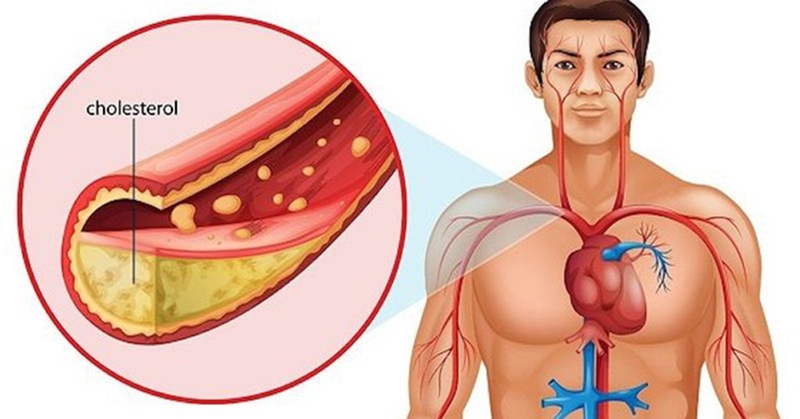
3. Individuals With Liver or Gallbladder Disorders
Eggs especially yolks are high in fat and can stimulate bile production. For people with liver disease, gallstones, or gallbladder
inflammation, this may worsen symptoms such as:
-
Abdominal pain
-
Nausea
-
Digestive discomfort
In these situations, fatty or rich foods may place extra strain on the digestive system, and eggs may need to be limited or avoided
depending on medical advice.
4. People With Digestive Sensitivity or Chronic Digestive Conditions
Some individuals experience bloating, stomach discomfort, or indigestion after eating eggs, particularly when they are fried or undercooked.
Eggs may aggravate symptoms in people with:
-
Chronic gastritis
-
Acid reflux
-
Irritable bowel syndrome (IBS)
Cooking methods matter. Fried eggs cooked in oil or butter are harder to digest than boiled or poached eggs. For sensitive individuals,
reducing egg intake or choosing gentler preparations may help.
5. People With Certain Kidney Conditions
Eggs are high in protein, which can be beneficial for healthy individuals but problematic for those with impaired kidney function.
In people with chronic kidney disease:
-
Excess protein can increase kidney workload
-
Nitrogen waste buildup may worsen symptoms
For this group, protein intake must often be carefully controlled, and eggs may need to be limited or avoided based on dietary
recommendations from a healthcare professional.
6. When Eggs Are Raw, Undercooked, or Improperly Stored
Even healthy individuals should avoid eggs that are:
-
Raw or undercooked
-
Cracked or improperly stored
-
Past their expiration date
Raw or undercooked eggs can carry bacteria such as Salmonella, which may cause food poisoning. Symptoms can include fever, diarrhea,
vomiting, and dehydration, particularly dangerous for young children, older adults, and people with weakened immune systems.
Always ensure eggs are:
-
Fully cooked
-
Stored at proper temperatures
-
Sourced from reliable suppliers

Final Thoughts
Eggs can be a valuable part of a balanced diet, but they are not universally suitable for everyone. Allergies, digestive health, cholesterol
levels, kidney function, and food safety all play a role in determining whether eggs are a good choice for an individual.
Rather than following general advice blindly, it’s important to listen to your body and follow medical guidance tailored to your health
condition. When consumed appropriately and avoided when necessary - dietary choices like this can help support long-term well-being rather
than compromise it.