Dates, scientifically known as Phoenix dactylifera, are often dismissed as nothing more than a sweet dried fruit. Most people recognize them as
a traditional food during Ramadan, a quick snack, or a natural sugar substitute in healthy recipes. Soft, chewy, and caramel-like in flavor, dates
seem simple on the surface.
But beneath that humble appearance lies a surprisingly powerful nutritional profile.
Far from being just a sweet treat, dates are a nutrient-dense whole food that supports the body in multiple ways—from energy production
and digestion to heart, brain, and liver health. Many of their benefits go unnoticed simply because dates are so familiar that people
underestimate them.
A Natural Energy Boost Without the Crash
Dates are rich in natural sugars such as glucose, fructose, and sucrose. What makes them different from refined sugar is that these sugars
come packaged with fiber, minerals, and antioxidants.
This combination allows dates to deliver quick energy while avoiding the sharp spike-and-crash cycle associated with processed sweets.
Instead of sudden fatigue after a sugar rush, the body receives a more stable release of energy.
That makes dates an ideal snack:
-
Before workouts
-
During long workdays
-
When mental focus starts to drop
-
As a natural alternative to energy drinks
Just a few dates can restore stamina and alertness without relying on caffeine or artificial stimulants.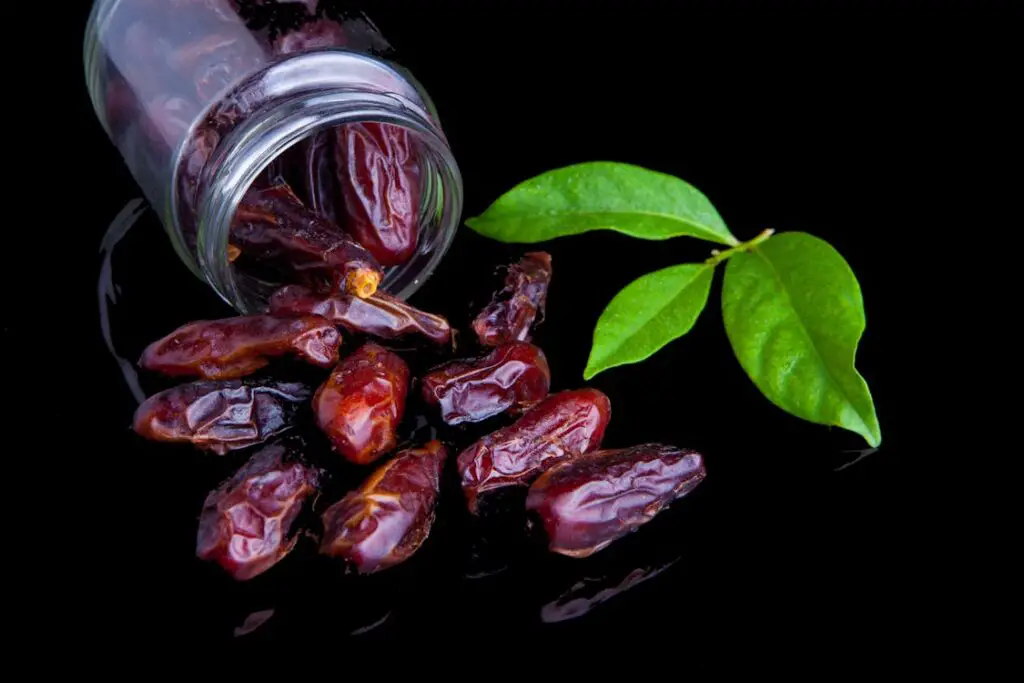
Supporting Digestive Health and Gut Balance
One of the most underrated benefits of dates is their high fiber content. Fiber plays a crucial role in digestion by promoting regular bowel
movements and supporting intestinal health.
Dates help prevent constipation by gently stimulating digestive movement, while also feeding beneficial gut bacteria. A balanced gut
microbiome supports not only digestion, but also immune function, nutrient absorption, and even mental well-being.
Unlike some high-fiber foods that can irritate sensitive stomachs, dates are generally well tolerated and provide digestive support in a gentle,
natural way.
Rich in Antioxidants That Protect Cells
Dates contain several powerful antioxidants, including flavonoids, carotenoids, and phenolic compounds. These substances help neutralize
free radicals - unstable molecules that contribute to inflammation, aging, and cellular damage.
Compared to many other dried fruits, dates stand out for their antioxidant density. Regular consumption may help:
-
Reduce low-grade inflammation
-
Protect cells from oxidative stress
-
Support long-term health at the cellular level
This protective effect becomes especially valuable in modern lifestyles where pollution, stress, and processed foods increase oxidative
damage.
A Quiet Ally for Heart Health
Dates are not usually associated with heart health, yet they contain key minerals that support cardiovascular function—particularly potassium
and magnesium.
Potassium helps regulate blood pressure by balancing sodium levels, while magnesium supports healthy blood vessels and proper muscle
function, including the heart muscle itself.
Some research suggests that eating dates regularly may help:
-
Improve lipid profiles
-
Reduce “bad” cholesterol levels
-
Support healthy circulation
When included as part of a balanced diet, dates can quietly contribute to long-term heart health.
Supporting Brain Function and Mental Clarity
Dates contain vitamin B6 and antioxidant compounds that support brain health. Chronic inflammation and oxidative stress in the brain have
been linked to cognitive decline and neurological disorders.
The nutrients found in dates may help:
-
Support memory and learning
-
Improve mental endurance
-
Reduce inflammation in neural tissue
For people who need sustained focus—students, professionals, or anyone with mentally demanding routines—dates can be a helpful addition
to daily nutrition.
Strengthening Bones and Preventing Mineral Deficiencies
Despite their small size, dates provide a meaningful amount of minerals essential for bone health, including calcium, phosphorus, magnesium,
and manganese.
These nutrients work together to maintain strong bones and teeth. Consistent intake of mineral-rich foods like dates may help reduce the risk
of bone density loss later in life, especially when paired with physical activity and adequate vitamin D.
This makes dates valuable not only for older adults, but also for younger individuals looking to build a strong foundation for long-term bone
health.
Supporting Pregnancy and Natural Labor Processes
One of the lesser-known benefits of dates relates to pregnancy. Some studies suggest that consuming dates in the final weeks of pregnancy
may help support cervical ripening and reduce the need for induced labor.
Dates also provide:
-
Natural energy
-
Iron for blood health
-
Folate to support fetal development
While dates are not a medical treatment, they can be a nourishing and practical food choice for pregnant women when consumed in
moderation and under appropriate dietary guidance.
Helping Regulate Blood Sugar When Eaten Mindfully
Despite their sweetness, dates have a low to moderate glycemic index when eaten in reasonable portions. Their fiber content slows sugar
absorption, helping prevent sudden spikes in blood glucose.
For better blood sugar balance, dates can be paired with:
-
Nuts
-
Yogurt
-
Seeds
This combination further stabilizes glucose levels, making dates a smarter option than refined sugar or candy for those managing energy and
metabolism.
Supporting Liver Health and Natural Detoxification
Dates contain compounds that may help protect liver cells from oxidative stress and inflammation. Some research suggests that regular
consumption may support liver enzyme activity involved in detoxification processes.
Because the liver plays a central role in metabolism, hormone regulation, and toxin removal, supporting liver health through diet is essential—
and dates can be part of that support system.
Promoting Healthier Skin and Hair
Thanks to their antioxidant, vitamin, and mineral content, dates can also contribute to skin and hair health. Antioxidants help protect skin cells
from premature aging, while iron supports oxygen delivery to hair follicles.
Over time, regular intake of dates may support:
-
Improved skin elasticity
-
Reduced dryness
-
Stronger, healthier hair
These benefits are most noticeable when combined with proper hydration and overall nutritional balance.
A Clean, Natural Alternative to Refined Sugar
Dates are increasingly popular as a natural sweetener in smoothies, energy balls, baked goods, and sauces. Date paste or date syrup can
replace white sugar while adding fiber and micronutrients instead of empty calories.
Using dates as a sweetener supports a more whole-food-based diet without sacrificing flavor - an important step toward reducing
dependence on ultra-processed foods.
Easy to Include in Any Diet
One of the greatest strengths of dates is their convenience. They require no preparation, travel well, and store easily. Dates can be:
-
Eaten on their own
-
Paired with nuts
-
Added to oatmeal or yogurt
-
Blended into smoothies
-
Used in desserts and snacks
Their versatility makes them ideal for busy lifestyles.
Final Thoughts
Dates may look simple, but their benefits are anything but ordinary. From supporting energy, digestion, and brain function to promoting
heart, liver, and bone health, dates are a quiet nutritional powerhouse.
When eaten in moderation as part of a balanced diet, dates offer clean energy, natural sweetness, and broad health support. Sometimes the
most underrated foods are the ones doing the most work behind the scenes and dates are a perfect example of that.